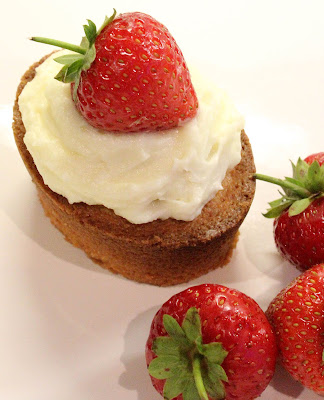
Imagine this: you’ve got a sudden craving for something delicate, slightly sweet, and perfectly sized for a tea break. Those bakery-bought friands just aren’t cutting it, and you know you can do better. Baking your own strawberry friands at home is easier than you think, and the result is a tender, moist cake with a crisp edge, bursting with fresh berry flavor. This guide walks you through every step, from gathering ingredients to achieving that ideal golden finish, ensuring your homemade friands outshine anything from a patisserie.
Preparing Your Kitchen for Strawberry Friands
Before you even think about mixing, a little prep goes a long way. Getting your ingredients measured and your workspace organized makes the entire baking process smoother, especially when working with delicate batters. This isn’t just about efficiency; it’s about setting yourself up for success, preventing last-minute rushes, and ensuring every element is ready to be incorporated at the right moment. The goal is to move fluidly from one step to the next without interruption.
Essential Ingredient Checklist
You’ll need precise measurements for these; accuracy here impacts the final texture significantly. Use a kitchen scale for best results over volumetric cups, especially for flour and sugar. Here’s what to get:
- 150 grams unsalted butter: Melted, then cooled slightly.
- 150 grams almond flour: Sometimes labeled almond meal.
- 150 grams confectioners’ sugar: Also known as icing sugar.
- 30 grams all-purpose flour: Standard plain flour.
- 4 large egg whites: Separated from the yolks. Use fresh eggs, not carton whites, for best whipping.
- 1 teaspoon vanilla extract: Good quality makes a difference.
- 150 grams fresh strawberries: Hulled and chopped into small, even pieces.
- Pinch of salt: Balances sweetness.
Ensure your butter is truly unsalted. Salted butter can throw off the flavor balance and texture, making the friands too dense. Also, make sure your eggs are at room temperature. Cold egg whites don’t whip as well, which is crucial for the friands’ characteristic light texture. Pull them out of the fridge at least 30 minutes before you plan to bake.
Recommended Baking Equipment
Having the right tools makes the job much easier. You don’t need specialty equipment, but these standard items are crucial:
- Friand or muffin tin: A standard 12-cup muffin tin works perfectly if you don’t have specific oval friand molds.
- Paper liners or non-stick spray: To prevent sticking.
- Large mixing bowls (2): One for dry ingredients, one for wet/egg whites.
- Whisk: For dry ingredients.
- Rubber spatula: For folding.
- Electric hand mixer or stand mixer: Essential for whipping egg whites.
- Small saucepan: For melting butter.
- Kitchen scale: For accurate ingredient measurement.
- Fine-mesh sieve: For sifting flours and sugar.
A good non-stick muffin tin minimizes frustration. Even with non-stick, using paper liners or thoroughly greasing and flouring each cavity is a smart move. This ensures your beautifully baked friands release cleanly without tearing. Remember to preheat your oven well in advance; consistent oven temperature is key to even baking.
Setting Up Your Baking Station
Clear your counter space. Lay out all your measured ingredients in small bowls, a technique called mise en place. This means your almond flour, confectioners’ sugar, all-purpose flour, and salt are sifted and combined in one bowl. Your egg whites are separated into another clean, grease-free bowl. The butter is melted and cooling. Strawberries are prepped. Preheat your oven to 180°C (350°F) with a rack in the middle. Line your muffin tin with paper liners or grease and flour each cup generously. This organized approach prevents you from scrambling for an ingredient mid-recipe or accidentally adding a double dose of something important. It also helps manage the delicate steps like folding, ensuring nothing collapses due to a pause.
Crafting the Ideal Friand Batter, Step by Step
The beauty of friands lies in their simplicity, yet mastering the batter requires attention to detail. This section focuses on achieving that perfect balance of richness from butter and lightness from whipped egg whites. It’s a precise dance of incorporation that results in a tender crumb and crisp exterior, a hallmark of well-made friands. Don’t rush these steps; each one contributes significantly to the final texture and flavor profile.
Melting Butter and Infusing Flavor
Start by melting your 150 grams of unsalted butter in a small saucepan over low heat. Once fully melted, remove it from the heat immediately. This isn’t just about getting it liquid; it’s about achieving a specific state. Allow the butter to cool slightly for about 5-10 minutes. It should be warm to the touch but not hot. Hot butter can scramble the egg whites later, ruining the texture. While it cools, you can infuse extra flavor. Some bakers like to brown their butter slightly (beurre noisette) for a nutty depth. To do this, continue cooking the melted butter until it turns golden brown and smells nutty, then remove from heat and cool. For a classic friand, simple melted and cooled butter is perfect. Stir in your 1 teaspoon of vanilla extract into the cooled butter. This allows the vanilla to fully bloom and disperse, ensuring even flavor throughout the friands.
In a large mixing bowl, combine the sifted 150 grams of almond flour, 150 grams of confectioners’ sugar, 30 grams of all-purpose flour, and a pinch of salt. Sifting is non-negotiable here. It breaks up any clumps and aerates the dry ingredients, leading to a smoother batter and a more uniform texture in the final friand. Use a whisk to thoroughly combine these dry ingredients. Ensuring they are well mixed at this stage prevents pockets of unmixed flour or sugar later on. Take your time, about 30 seconds to a minute of whisking, to really incorporate everything evenly.
Folding Egg Whites for Airiness
This is where the magic happens for friands. In a separate, impeccably clean and grease-free large mixing bowl, add your 4 large egg whites. Using an electric hand mixer or stand mixer fitted with a whisk attachment, beat the egg whites on medium-high speed. They will start foamy, then progress to soft peaks, and finally to stiff, glossy peaks. The goal is stiff peaks, meaning when you lift the whisk, the peaks hold their shape firmly, but are not dry or crumbly. Be careful not to overbeat, as this can make the egg whites brittle and difficult to fold. Overbeaten egg whites will also lead to dry friands. This process typically takes 3-5 minutes, depending on your mixer’s power. The air incorporated here is what gives friands their characteristic light, slightly chewy texture. Without properly whipped egg whites, your friands will be dense and heavy, more like a muffin than a delicate petite cake.
Incorporating Fresh Strawberries Gently
Now, it’s time to bring everything together. Gently pour the cooled melted butter and vanilla mixture into the bowl with the dry ingredients. Mix briefly with a rubber spatula until just combined. The mixture will be thick and paste-like at this stage. Next, add the whipped egg whites to the batter. This is the most crucial step for maintaining airiness. Add about a third of the egg whites and fold them in gently to lighten the batter, then add the remaining egg whites in two additions, folding carefully until no streaks of white remain. Do not overmix; overmixing will deflate the egg whites, resulting in a dense friand. The batter should be light, airy, and uniform. Finally, fold in your 150 grams of chopped fresh strawberries. Distribute them evenly throughout the batter with minimal stirring. Once the strawberries are just mixed in, stop. Overworking the batter from this point will only lead to gluten development from the small amount of all-purpose flour, making the friands tough, and it will also risk deflating the carefully incorporated air.
Optimal Baking Techniques for Golden Friands
Baking friands correctly means paying attention to oven temperature and timing. These delicate cakes can go from perfectly golden to overly dry in minutes. Understanding the nuances of heat and doneness ensures each friand emerges with a lovely golden crust and a tender, moist interior. It’s a precise process, but with a few pointers, you’ll nail it every time.
What is the ideal oven temperature and why?
The ideal oven temperature for baking strawberry friands is 180°C (350°F). This temperature is crucial because it allows the friands to bake through evenly without drying out too quickly on the outside or remaining raw in the center. A slightly higher temperature might cause the edges to crisp too much or even burn before the interior is cooked. Conversely, too low a temperature might prevent the friands from developing their characteristic slightly crisp exterior and could lead to a greasy texture, as the butter might seep out rather than integrate fully. Furthermore, maintaining a consistent temperature helps the friands rise properly. It encourages the steam and air trapped in the batter to expand, giving the friands their airy crumb. Always preheat your oven for at least 20-25 minutes before placing the friands inside, even if your oven indicates it’s reached temperature sooner. This ensures the entire oven cavity, including the walls and racks, is uniformly hot, providing a stable baking environment.
How can you tell if friands are fully baked?
Knowing when your friands are fully baked involves a few simple checks. First, visually inspect them: they should be beautifully golden brown around the edges and on top. The tops will also appear set and firm. Second, gently touch the top of a friand. If it springs back, it’s likely done. If it leaves an indentation, it needs more time. The most reliable method, however, is the toothpick test. Insert a clean wooden skewer or toothpick into the center of a friand. If it comes out clean or with just a few moist crumbs attached, the friands are ready. If there’s wet batter, continue baking for another 2-3 minutes and test again. Be mindful that melted fruit can sometimes make the toothpick appear wet; distinguish between melted fruit juice and raw batter. Friands typically bake for 20-25 minutes, but oven temperatures can vary significantly, so relying on visual cues and the toothpick test is more accurate than strict adherence to time. Do not open the oven door during the first 15 minutes of baking, as this can cause the friands to sink.
Should friands cool in the tin or on a rack immediately?
Once your friands are out of the oven, resist the urge to immediately remove them from the baking tin. Allow them to cool in the tin for about 5-10 minutes. This short resting period is important for a couple of reasons. Firstly, it allows the friands to firm up slightly. They are quite delicate when hot, and attempting to remove them immediately might cause them to break or crumble. Secondly, the residual heat in the tin continues to gently cook the friands, ensuring they are perfectly done without over-baking. After 5-10 minutes, carefully transfer the friands from the tin to a wire cooling rack. This is crucial for preventing them from becoming soggy on the bottom. Leaving them in the hot tin for too long can trap steam underneath, making the bottoms damp. Cooling on a wire rack allows air to circulate all around the friands, ensuring their crisp edges and preventing condensation, which is vital for maintaining their delightful texture. They should cool completely on the rack before serving or storing.
Solving Common Friand Baking Challenges
Achieving the perfect friand involves navigating a few potential pitfalls. I firmly believe that understanding common issues is half the battle; knowing why something went wrong helps you adjust for next time. The goal is always a tender crumb, crisp edges, and perfectly distributed fruit. Let’s tackle some of the most frequent problems home bakers encounter.
Addressing Over-Browning Issues
If your friands are browning too quickly on the outside while the inside remains undercooked, your oven might be too hot or your baking rack positioned incorrectly. First, invest in an oven thermometer; many built-in oven thermostats are inaccurate. Calibrate your oven if necessary, or simply adjust the temperature down by 10-15°C (25-30°F) if you consistently face this problem. Second, ensure your baking rack is in the middle of the oven. Placing friands too close to the top heating element will cause rapid top browning. If you notice them browning too fast halfway through baking, you can loosely tent the tin with aluminum foil for the remaining bake time. This blocks direct heat from the top while allowing the interior to continue cooking. Also, resist opening the oven door frequently, as this causes temperature fluctuations that can disrupt even baking and lead to uneven browning.
Preventing Dense or Chewy Friands
Dense or chewy friands typically stem from two main issues: overmixing the batter or improperly whipped egg whites. When you combine the dry ingredients with the melted butter, mix only until just combined. The moment you add the whipped egg whites, extreme care is needed. Fold them in gently, using a rubber spatula in a figure-eight motion, just until no streaks of white remain. Overmixing develops the gluten in the small amount of all-purpose flour, leading to a tough, chewy texture rather than the desired light, delicate crumb. Additionally, ensure your egg whites are whipped to stiff, but not dry, peaks. Under-whipped egg whites won’t provide enough lift, resulting in a flat, dense friand. Over-whipped egg whites become brittle and difficult to fold, also leading to a loss of air and a dry texture. Practice makes perfect with egg whites; aim for peaks that hold their shape but still look glossy and pliable.
Ensuring Fruit Stays Evenly Distributed
A common frustration is finding all the fruit sunk to the bottom of the friands. The main culprit here is often fruit that is too heavy or too wet. To prevent strawberries from sinking, ensure they are chopped into small, even pieces. Larger pieces are heavier and more prone to sinking. Before folding them into the batter, gently toss the chopped strawberries with about one tablespoon of the all-purpose flour (taken from the measured 30 grams). This light coating creates a barrier that helps the fruit suspend in the batter, preventing it from immediately sinking due to its weight or moisture. Additionally, avoid over-hydrating your fruit if possible; if your strawberries are particularly juicy, pat them dry slightly with a paper towel before chopping. Finally, the consistency of your batter plays a role. A properly aerated batter with well-whipped egg whites is lighter and better able to support the fruit. If your batter is too thin or dense, the fruit will inevitably sink.
Storing Your Homemade Friands for Peak Freshness
You’ve gone through the effort of baking these delicious strawberry friands. The last thing you want is for them to lose their freshness prematurely. Proper storage is key to extending their shelf life and maintaining that delightful texture and flavor. Different methods work best depending on how soon you plan to enjoy them.
Here’s a breakdown of the best storage options:
| Storage Method | Container Type | Expected Freshness | Best For |
|---|---|---|---|
| Countertop (Room Temperature) | Airtight container | 1-2 days | Immediate enjoyment, maintaining crisp texture. |
| Refrigeration | Airtight container, individual wrap recommended | Up to 5 days | Longer short-term storage, high humidity environments. |
| Freezing | Freezer-safe bag or container, individually wrapped | Up to 3 months | Long-term storage, meal prep. |
Short-Term Countertop Storage
For friands you plan to eat within a day or two, room temperature storage is ideal. Once completely cooled on a wire rack, transfer them to an airtight container. Make sure the container is truly airtight to prevent them from drying out. Placing a piece of parchment paper between layers can prevent sticking if you’re stacking them. Friands stored this way will retain their slightly crisp exterior and moist interior for about 24-48 hours. Beyond that, they tend to become a bit dry and the edges soften. Avoid storing them in direct sunlight or in a very warm kitchen, as this can accelerate spoilage.
Refrigeration Best Practices
If you need to extend the freshness beyond two days, refrigeration is your next best option. Again, ensure the friands are completely cooled before placing them in the fridge. Store them in an airtight container. For optimal results, you might consider wrapping each friand individually in plastic wrap before placing them in the container. This extra step helps to seal in moisture and prevent them from absorbing odors from other foods in your refrigerator. Refrigerated friands will stay fresh for up to 5 days. However, be aware that the cold temperature can alter their texture slightly, making them a bit firmer. To bring back some of their tenderness, allow them to come to room temperature for 15-30 minutes before serving, or warm them gently in a microwave for 10-15 seconds.
Freezing Friands for Later Enjoyment
Freezing is an excellent option for long-term storage, allowing you to enjoy fresh-tasting friands weeks or even months later. Once the friands are completely cool, arrange them in a single layer on a baking sheet and place them in the freezer for about an hour, until firm. This prevents them from sticking together. Once firm, transfer the frozen friands to a freezer-safe airtight container or a heavy-duty freezer bag. You can also wrap each friand individually in plastic wrap and then foil before placing them in a container for maximum protection against freezer burn. Properly frozen friands will maintain their quality for up to 3 months. To thaw, simply take them out of the freezer and let them come to room temperature on a wire rack for a few hours. For a "freshly baked" feel, you can warm them in a preheated oven at 150°C (300°F) for about 5-10 minutes after thawing.
Final Thoughts on Perfecting Your Friands
Baking strawberry friands is a rewarding process that yields elegant, flavorful results with minimal fuss. Following these practical steps for preparation, batter mixing, baking, and storage will ensure consistent success. These petite cakes, with their delicate crumb and crisp edges, are perfect for an afternoon treat or a simple dessert.