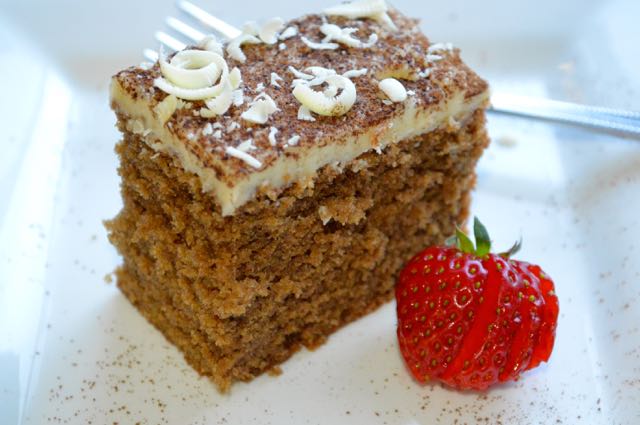
You’ve followed a recipe. Measured ingredients precisely. Yet, your cappuccino cake still falls flat. The coffee flavor is weak. The texture is dry, or worse, gummy. This common baking frustration stems from a few critical choices, often overlooked. Achieving a truly exceptional cappuccino cake means understanding flavor depth, batter balance, and proper baking technique. It’s about more than just adding coffee to a batter; it’s about integration and finesse.
Let’s dissect what makes a cappuccino cake truly stand out, from the base flavor to the final flourish.
Achieving Authentic Coffee Flavor in Cake
The core of any cappuccino cake is its coffee essence. Weak coffee notes lead to a generic cake. Strong, bitter coffee makes it unpalatable. The goal is a balanced, aromatic flavor that complements the chocolate and sugar without overpowering it. This requires careful selection and preparation of your coffee components.
Most recipes call for instant coffee or espresso powder. These are not interchangeable. Instant coffee granules are processed differently and often contain fillers. They dissolve easily but can leave a subtle, sometimes metallic, aftertaste when baked. Espresso powder, on the other hand, is finely ground, dark-roasted coffee that has been brewed and then dehydrated. It’s potent. It delivers a concentrated, pure coffee flavor without adding much liquid, making it ideal for baking. Think of it as a flavor enhancer for chocolate as well, deepening cocoa notes.
Using freshly brewed espresso is an option, but it introduces extra liquid, which can throw off your cake’s crumb structure. If you opt for brewed coffee, ensure it’s very strong and reduce other liquids in the recipe to compensate. A general rule: for every 2 tablespoons of liquid coffee added, reduce milk or water by 1 tablespoon. This is a guideline, not a strict rule. Baking is chemistry, and too much liquid creates a dense, heavy cake. Stick with high-quality espresso powder for reliability. It integrates seamlessly into both dry and wet ingredients.
Choosing the Right Coffee Source
- Espresso Powder: This is your best friend for a rich, robust coffee flavor. Look for brands specifically marketed for baking, like King Arthur Baking Company’s Espresso Powder. It’s concentrated, dissolves well, and doesn’t introduce excess moisture. Use 1-2 tablespoons for a standard 8-inch cake recipe.
- Instant Coffee Granules: A viable alternative if espresso powder is unavailable, but be mindful of the quality. Choose a dark roast, fine-grain instant coffee. You might need to use slightly more (2-3 tablespoons) to achieve comparable flavor intensity. Dissolve it in a small amount of hot liquid before adding to the batter to ensure even distribution.
- Brewed Espresso: Use with caution. If a recipe specifically calls for it, follow directions closely. Otherwise, it’s generally best to avoid, as it adds too much moisture for most standard cake batters. If you must, chill the brewed espresso before adding it to cold ingredients to maintain batter temperature.
Integrating Coffee for Maximum Impact
For the deepest flavor, incorporate espresso powder into both the cake batter and the frosting. In the batter, it can be sifted with the dry ingredients or dissolved into the wet ingredients (like milk or butter). Dissolving it in a small amount of hot liquid (like the milk for the cake) before adding to the wet ingredients ensures it’s fully dispersed and doesn’t create pockets of bitterness.
When making frosting, dissolve the powder in a teaspoon of vanilla extract or a tablespoon of hot milk before blending it into your buttercream or cream cheese frosting. This prevents a gritty texture and ensures the coffee flavor is evenly distributed throughout the topping. A common mistake is just dumping the powder straight into cold butter or cream cheese; it won’t fully dissolve.
The Perfect Batter: Wet vs. Dry Ingredients Balance
A great cake has a moist, tender crumb, not a dry, crumbly mess or a rubbery, dense brick. This comes down to the precise balance of wet and dry ingredients and how they are combined. Too much flour, and your cake is dry. Too much liquid, and it’s gummy or doesn’t rise properly. The method of combining also plays a significant role in aeration and gluten development.
Most cappuccino cakes use the creaming method: butter and sugar are beaten together until light and fluffy. This traps air, which is crucial for a tender, open crumb. Eggs are then added one at a time, followed by alternating additions of dry and wet ingredients. Overmixing at the flour stage develops too much gluten, resulting in a tough cake. Undermixing leaves streaks of unmixed flour and an uneven texture.
Steps for a Tender Crumb
- Room Temperature Ingredients: Ensure butter, eggs, and dairy are at room temperature. Cold ingredients don’t emulsify properly, leading to a lumpy batter and a denser cake. Take them out at least 30 minutes to an hour before you start.
- Sift Dry Ingredients: Flour, cocoa powder (if using), baking powder, baking soda, salt, and espresso powder should be sifted together. This aerates them, removes lumps, and ensures even distribution. Don’t skip this.
- Cream Butter and Sugar Properly: In a stand mixer with the paddle attachment (or with a hand mixer), beat unsalted butter and granulated sugar on medium-high speed for 3-5 minutes. The mixture should be pale in color and significantly increased in volume. It should look like whipped cream, not just a paste.
- Add Eggs One at a Time: Beat in eggs, adding one at a time, mixing well after each addition until fully incorporated. Scrape down the sides of the bowl frequently. This helps emulsify the fat from the butter with the liquid from the eggs.
- Alternate Wet and Dry: With the mixer on low speed, add about one-third of the dry ingredients, mix just until combined, then half of the wet ingredients (milk, buttermilk, or coffee liquid), mix, then another third of dry, the remaining wet, and finally the last third of dry. Mix only until the last streaks of flour disappear. Overmixing here develops gluten, making the cake tough.
- Gentle Fold: If adding chocolate chips or nuts, fold them in gently with a spatula, not the mixer.
Flour Types and Their Impact
Most recipes default to all-purpose flour. It’s versatile but can sometimes lead to a slightly denser cake. For an exceptionally tender crumb, consider using cake flour. Cake flour has a lower protein content, which means less gluten development. If you don’t have cake flour, you can make a passable substitute: for every cup of all-purpose flour, remove 2 tablespoons and replace them with 2 tablespoons of cornstarch. Sift this mixture thoroughly before using. This simple swap significantly impacts the final texture.
Frosting Finesse: Buttercream vs. Cream Cheese
The frosting is more than just a topping; it’s a critical flavor layer that completes the cappuccino experience. The choice between buttercream and cream cheese frosting fundamentally alters the cake’s profile. Both have their merits, but they deliver distinct textures and flavor balances. The right choice depends on your desired outcome: a classic, rich sweetness or a tangy, lighter counterpoint.
Selecting Your Frosting Style
Deciding which frosting to use involves considering taste, texture, and how well it pairs with the cake’s coffee notes. Each type requires specific handling for the best results.
American Buttercream
- Flavor Profile: Very sweet, rich, buttery. Takes on coffee flavor well.
- Texture: Smooth, fluffy, holds its shape beautifully for piping and decorating.
- Stability: Excellent stability at room temperature, though can soften in very warm conditions.
- Preparation Tip: Ensure your butter is at perfect room temperature. Beat it alone for a few minutes until smooth before adding powdered sugar. Use heavy cream or milk to adjust consistency.
Cream Cheese Frosting
- Flavor Profile: Tangy, less sweet than buttercream, with a distinct cream cheese taste that cuts through the cake’s richness.
- Texture: Soft, creamy, can be slightly looser than buttercream.
- Stability: Less stable. Prone to softening quickly, especially if over-whipped or in warm environments. Requires refrigeration.
- Preparation Tip: Use full-fat brick cream cheese, not spreadable tub varieties. Ensure both butter and cream cheese are softened to room temperature. Beat cream cheese and butter together until just smooth, then add powdered sugar. Over-beating cream cheese makes it runny.
Here’s a quick comparison:
| Feature | American Buttercream | Cream Cheese Frosting |
|---|---|---|
| Primary Flavor | Sweet, buttery, coffee-forward | Tangy, rich cream cheese, subtle coffee |
| Texture | Smooth, fluffy, firm | Creamy, soft, slightly looser |
| Sweetness Level | High | Medium-High (less than buttercream) |
| Stability | Good at room temp, best for piping | Needs refrigeration, softer for piping |
| Pairs Best With | Classic coffee cake, rich chocolate cake | Red velvet, carrot cake, lighter coffee cakes |
Baking Pan Choices: Size, Material, and Prep
The right baking pan isn’t just about fitting the batter; it significantly influences how your cake bakes, rises, and releases. Using the wrong size or material can lead to uneven baking, sunken centers, or a cake stuck to the pan. This is a crucial, often overlooked detail in achieving a professional-looking finish.
For a standard cappuccino cake, 8-inch or 9-inch round cake pans are common. If your recipe specifies 8-inch pans and you use 9-inch pans, the layers will be thinner and bake faster. Conversely, using smaller pans will result in thicker layers that take longer to bake, risking dryness. Always use the specified size. For multiple layers, ensure you have two or three pans of the same size. This consistency promotes even baking.
Material Matters
- Light-colored aluminum pans: These are ideal. They conduct heat evenly and prevent the edges of the cake from browning too quickly, leading to a more evenly cooked and golden crust. Brands like Wilton or Fat Daddio’s offer reliable options.
- Dark-colored nonstick pans: These absorb more heat and can cause cakes to brown faster, sometimes resulting in drier edges. If using, reduce oven temperature by 25°F (15°C) and check for doneness earlier.
- Glass or ceramic pans: These also conduct heat differently. They retain heat longer, which can be great for casseroles but less ideal for delicate cakes. Again, lower oven temperature and adjust baking time.
Proper Pan Preparation
Even if your pans are nonstick, always prepare them. This guarantees an easy release and prevents frustrating tears. Here’s the standard method:
- Grease: Use butter or a nonstick baking spray (with flour) to coat the inside surfaces of the pan. Get into all the nooks and crannies.
- Flour: Dust the greased pan with a thin layer of all-purpose flour. Rotate the pan to coat evenly, then tap out any excess flour. For chocolate or coffee cakes, use cocoa powder instead of flour to avoid white residue on the finished cake.
- Parchment Paper: For an extra layer of protection, cut out parchment paper circles to fit the bottom of your pans. Press them onto the greased and floured bottom. This ensures the cake bottom never sticks.
Failing to prepare your pans correctly is a common reason cakes stick and tear. Don’t skip these steps.
Common Cappuccino Cake Pitfalls and Fixes
Baking can be unpredictable. Even with the best ingredients, things can go wrong. Understanding why problems occur is the first step to fixing them. Here are common issues with cappuccino cake and straightforward solutions.
Why did my cake sink in the middle?
A sunken center is usually a sign of underbaking or opening the oven door too early. When the cake is not fully set, the internal structure collapses as it cools. Over-leavening (too much baking powder/soda) can also make a cake rise too quickly and then fall. Another culprit could be too much liquid in the batter, making it too heavy to sustain its rise.
- Fix: Always preheat your oven properly. Use an oven thermometer to verify accuracy. Bake for the minimum time, then check for doneness: a toothpick inserted into the center should come out clean. Avoid opening the oven door during the first two-thirds of the baking time. Ensure your leavening agents are fresh.
My cake is dry and crumbly. What went wrong?
A dry cake is typically overbaked, or it contains too much flour or not enough fat/liquid. Overmixing the batter can also lead to a dry, tough crumb by overdeveloping gluten.
- Fix: Use a kitchen scale to measure flour accurately; volume measurements can be imprecise. Adjust baking time based on visual cues (golden brown, springs back when lightly touched) and the toothpick test. Reduce mixing once flour is added. Consider adding an extra tablespoon of milk or buttermilk next time if the recipe consistently yields dry results.
Why is the coffee flavor so weak or bitter?
Weak flavor usually means not enough coffee, or using a low-quality instant coffee. Bitterness can come from using too much cheap instant coffee or not dissolving the espresso powder properly.
- Fix: Invest in high-quality espresso powder for baking. Dissolve instant coffee or espresso powder in a small amount of hot liquid before adding it to the batter. For a richer flavor, consider blooming your cocoa powder (if using) with hot coffee liquid instead of water.
My frosting is too runny or too stiff. How do I fix it?
Runny frosting is often due to too much liquid, over-softened butter/cream cheese, or over-whipping cream cheese frosting. Stiff frosting lacks enough liquid or fat.
- Fix (Runny): For buttercream, add more powdered sugar, one tablespoon at a time. For cream cheese frosting, chill it briefly (15-30 minutes) to firm up. If still too soft, gently fold in a tablespoon or two of additional powdered sugar, but avoid over-beating.
- Fix (Stiff): Add liquid (milk or heavy cream for buttercream; milk for cream cheese frosting) one teaspoon at a time until desired consistency is reached.
Cappuccino Cake Success: A Quick Summary
Baking an impressive cappuccino cake hinges on attention to detail at every stage. From selecting the right ingredients to using the correct techniques, each step builds towards that perfect slice. Here’s what matters most:
- Flavor Focus: Always opt for high-quality espresso powder over instant coffee for a deep, authentic coffee taste. Integrate it into both cake and frosting for cohesive flavor.
- Batter Mastery: Ensure all cold ingredients are at room temperature. Cream butter and sugar thoroughly for aeration. Alternate wet and dry ingredients, mixing only until combined to prevent toughness.
- Frosting Choice: American buttercream offers a classic, sweet, stable option. Cream cheese frosting provides a tangy counterpoint but requires careful handling and refrigeration.
- Pan Precision: Use the specified pan size and light-colored aluminum pans. Always grease, flour (or cocoa powder), and line with parchment paper for easy release.
- Problem Solving: Underbaked cakes sink; overbaked cakes are dry. Adjust liquid for frosting consistency.