Did you know that the average American household wastes approximately $1,500 worth of food annually? Much of this waste stems from ambitious recipe attempts gone wrong, forgotten ingredients, or simply feeling overwhelmed in the kitchen. A good cookbook isn’t just a collection of recipes; it’s a structured learning tool. It’s a guide that can transform wasted ingredients into delicious meals, cut down on takeout costs, and actually teach you how to cook with confidence.
Choosing the right cookbook can feel daunting, given the sheer volume available. But by approaching the selection process strategically, you can acquire specific tools that directly address your culinary goals. Think of it less as buying a book and more as investing in a focused cooking education. We’ll identify exactly what kinds of cookbooks serve different purposes and recommend specific titles that deliver tangible results in your kitchen.
The Hidden Cost of "Wing It" Cooking
Cooking without a reliable guide often feels like navigating a dense forest without a compass. You start with good intentions, maybe a few interesting ingredients, but quickly get lost. This improvisational approach might sound liberating, but it frequently leads to frustration, wasted money, and uninspiring meals. The real cost extends far beyond just ingredients. Consider the time you spend scrolling through endless online recipes, only to find conflicting advice or missing key steps. Then there’s the emotional toll of serving a dish that doesn’t quite work, or worse, ends up inedible.
The “wing it” method encourages inconsistent results. One week, a chicken dish might be flavorful; the next, it’s bland. This inconsistency makes it hard to build fundamental skills or understand why certain techniques work. You might repeatedly buy specialty ingredients for a single dish, only for them to expire because you lack the broader context for their use. A structured cookbook provides that context, offering foundational knowledge that makes every subsequent cooking effort more successful.
Calculating Your Culinary Missteps
Let’s quantify this. Imagine you try a new recipe online twice a week. Each attempt might involve purchasing 2-3 new ingredients at an average cost of $5-$10 each. If one of those attempts fails, or the dish is simply unappealing, you’ve potentially wasted $10-$20 in ingredients, plus 1-2 hours of your time. Over a year, this adds up to hundreds of dollars and over a hundred hours of culinary frustration. A solid cookbook, costing around $30-$50, can eliminate much of this guesswork, paying for itself after just a few successful meals.
Beyond the direct ingredient cost, think about the opportunity cost. That hour spent struggling with an undercooked chicken could have been an hour spent relaxing, exercising, or connecting with family. Good cookbooks streamline your process, making cooking more efficient and enjoyable. They teach you to use what you have, and how to shop smarter, directly impacting your grocery budget.
The Mental Load of Meal Planning
Another significant, often overlooked, cost is the mental energy expended on meal planning. Deciding what to cook night after night, ensuring variety, and making sure you have all the necessary components can be exhausting. This cognitive load often leads to decision fatigue, pushing you towards expensive takeout or repetitive, uninspired meals. A well-organized cookbook simplifies this process.
Many reliable cookbooks are designed with meal planning in mind. They offer ingredient lists, prep-ahead tips, and even suggested menus. Some provide variations on core recipes, allowing you to adapt dishes to different tastes or available ingredients without starting from scratch. This reduces the mental burden, freeing up valuable brain space and making the entire cooking experience feel less like a chore and more like a creative outlet.
Identifying Your Core Culinary Needs

Before you even consider specific titles, you must clarify your own cooking goals. Buying a cookbook for advanced molecular gastronomy when you struggle with basic knife skills is like purchasing a Formula 1 car for your daily commute – impressive, but entirely impractical. Focus on what you genuinely want to achieve in the kitchen. This self-assessment ensures you select a tool that truly empowers you.
-
Assess Your Current Skill Level
Be honest here. Are you a complete beginner who can barely boil an egg without supervision? Or do you have some experience but want to tackle more complex techniques like making your own pasta or butchering a chicken? Cookbooks are designed for different entry points. A book aimed at novice cooks will focus on fundamental techniques, clear definitions, and often step-by-step photos. Advanced cookbooks assume a baseline knowledge and jump straight into sophisticated methods and flavor combinations. Mismatching your skill level to a cookbook leads to frustration and an unused book.
-
Determine Your Primary Cooking Frequency and Style
Do you cook every night for a family of four? Or are you a solo cook who enjoys elaborate weekend projects? Are you looking for quick weeknight meals, or do you want to explore slow cooking and fermenting? Your cooking frequency dictates the types of recipes you’ll need. Daily cooks benefit from books with efficient, adaptable recipes. Weekend enthusiasts might prefer books that delve into more time-consuming, rewarding projects. Consider your preferred cooking style: do you prefer precise measurements or more intuitive, flexible instructions?
-
Identify Your Cuisine Preferences and Dietary Goals
What kind of food do you actually enjoy eating? Are you drawn to vibrant Mediterranean flavors, comforting Italian classics, spicy Thai dishes, or plant-based meals? Narrowing down your preferred cuisines will significantly streamline your search. Additionally, factor in any dietary restrictions or goals. Are you vegetarian, gluten-free, or trying to incorporate more vegetables into your diet? Many excellent cookbooks cater specifically to these needs, providing not just recipes but also valuable nutritional guidance and ingredient substitutions. Don’t buy a barbecue cookbook if you’re committed to a vegan diet; it’s a wasted resource.
Foundational Cookbooks for Daily Meals
Every home cook needs a few workhorse cookbooks for general cooking, the kind you can turn to for reliable recipes, fundamental techniques, and practical advice. These aren’t just recipe collections; they are culinary education platforms. They provide the bedrock of kitchen confidence, ensuring consistent success with everyday meals. We’ve selected two distinct options that offer comprehensive guidance for various skill levels.
Comparison: Everyday Essential Cookbooks
| Cookbook Title | Author(s) | Primary Focus | Target Audience | Approx. Price (2026) |
|---|---|---|---|---|
| Joy of Cooking (2019 Edition) | Irma S. Rombauer, Marion Rombauer Becker, Ethan Becker | Comprehensive techniques, classic American recipes, troubleshooting | Beginner to intermediate, anyone seeking a culinary reference | $35 hardcover |
| Salt, Fat, Acid, Heat | Samin Nosrat | Fundamental elements of good cooking, intuitive understanding | Intermediate, those wanting to understand "why" recipes work | $20 paperback |
Joy of Cooking: The Ultimate Kitchen Reference
The Joy of Cooking is often called the "kitchen bible" for a reason. The 2019 edition, in particular, is an incredible resource for any home cook. It’s less about flashy, trendy recipes and more about foundational knowledge. You get detailed instructions for everything from roasting a chicken to making perfect scrambled eggs. Crucially, it includes extensive sections on techniques, ingredient explanations, and even how to handle common kitchen mishaps. If you want one book that covers nearly every aspect of American home cooking, this is it. It’s fantastic for beginners because it doesn’t assume prior knowledge, breaking down complex processes into manageable steps. For experienced cooks, it serves as an invaluable reference for forgotten ratios or classic preparations.
Salt, Fat, Acid, Heat: The "Why" of Deliciousness
Samin Nosrat’s Salt, Fat, Acid, Heat is a different kind of foundational cookbook. While it includes excellent recipes, its true genius lies in teaching the four fundamental elements that make food taste good. Nosrat doesn’t just tell you what to do; she explains why. This book empowers you to improvise, adjust, and create your own balanced flavors without needing a recipe. The illustrations are incredibly helpful, making abstract concepts like "balancing acid" visually clear. It’s ideal for cooks who have a basic understanding of techniques but want to elevate their intuition and creativity. If you want to understand the science and art behind great cooking, rather than just follow instructions, this book is an indispensable tool.
Mastering Specific Techniques: Beyond the Basics

Once you’ve built a solid foundation, you’ll likely want to branch out. Specializing in a particular area, like baking or grilling, requires dedicated resources. You need books that dive deep into the nuances, offering precise measurements and expert advice specific to that craft. My strong recommendation is to pick one area you truly want to excel in and invest in a specialized guide. Generic cookbooks rarely provide the depth needed to truly master a niche.
Perfecting Your Pastry: Flour Water Salt Yeast
If you’ve always dreamed of baking your own artisan bread, Ken Forkish’s Flour Water Salt Yeast is the definitive guide. This book is a masterclass in bread making, focusing on natural leavening and slow fermentation. Forkish provides incredibly detailed, step-by-step instructions, complete with precise timing and temperature guides. It’s not a quick-fix book; it demands patience and attention to detail. However, the results – incredibly flavorful, crusty loaves – are immensely rewarding. It’s the best tool for anyone serious about understanding the science and art of baking with yeast, making it a valuable long-term investment for passionate bakers. Expect to spend $28 for the hardcover edition, which is money well spent for the knowledge gained.
Grilling Like a Pro: Franklin Barbecue: A Meat-Smoking Manifesto
For those looking to conquer the art of barbecue, Aaron Franklin’s Franklin Barbecue: A Meat-Smoking Manifesto is unparalleled. Franklin, the pitmaster behind the legendary Franklin Barbecue in Austin, shares his meticulously developed techniques for smoking brisket, ribs, and other meats. This isn’t just a recipe book; it’s a deep dive into the physics and craft of low-and-slow cooking. He covers everything from choosing your wood to managing pit temperatures, providing the exact tools and methods needed for success. This book is essential for anyone wanting to move beyond casual grilling to serious, competition-level barbecue. It costs about $25 for the paperback, a small price for unlocking true barbecue mastery.
Digital vs. Physical: Which Format Works Best?
Choosing between a digital recipe app or a physical cookbook significantly impacts your cooking experience. While digital platforms offer instant search and endless variety, they often lack the curated instruction and tactile pleasure of a physical book. For foundational learning and developing deep culinary understanding, a physical cookbook generally provides a superior, less distracting environment for focused learning and skill building.
Troubleshooting Common Kitchen Setbacks
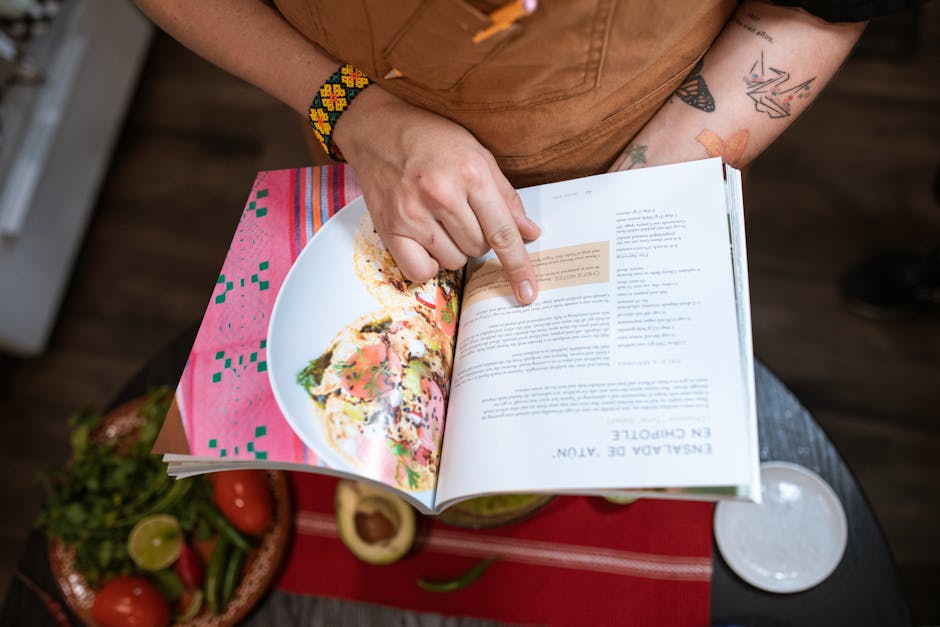
Even with the best cookbooks, things can occasionally go sideways. The true power of a good culinary guide extends beyond just successful recipes; it also provides clues and solutions when challenges arise. Knowing how to adapt or correct a dish is a skill developed by understanding the underlying principles, which many robust cookbooks teach.
Why does my bread always fall flat?
Flat bread is a common issue with several culprits, often addressed in comprehensive baking books like Flour Water Salt Yeast. One major reason is insufficient kneading, which means the gluten hasn’t developed enough to trap gases for a good rise. Another is incorrect yeast activation; water that’s too hot or too cold can kill or slow the yeast. Over-proofing or under-proofing can also be factors. Over-proofed dough collapses because the yeast has consumed all the available sugars and produced too much gas. Under-proofed dough simply hasn’t had enough time to rise properly. Refer to your cookbook’s introductory sections on yeast and fermentation for precise temperature ranges and visual cues for optimal proofing.
How do I salvage overcooked vegetables?
Overcooked vegetables can turn mushy and lose their vibrant flavor. While you can’t reverse the cooking process, a good cookbook will often offer creative solutions for transforming them. Instead of discarding them, consider mashing them for a quick soup base, pureeing them into a sauce, or incorporating them into a frittata or quiche. For instance, overcooked broccoli can be blended into a creamy broccoli soup with some broth and cheese. Mushy carrots can become part of a flavorful carrot ginger soup. The key is to embrace the new texture and integrate it into a different dish where softness is a benefit, not a flaw. Many "zero-waste" or "flexitarian" cookbooks offer excellent ideas for these types of transformations.
My sauces always break or separate, what’s wrong?
Sauce separation, especially with emulsified sauces like hollandaise or mayonnaise, usually occurs due to temperature issues or adding fat too quickly. The fat and liquid simply don’t bind properly. A practical cookbook will tell you that for hollandaise, adding the butter too fast or letting the mixture get too hot can break the emulsion. To fix a broken sauce, gently whisk in a tablespoon of very hot water (or cold water for mayo) one at a time, or start with a new egg yolk and slowly whisk the broken sauce back into it. Understanding the specific temperature and agitation requirements for different sauces, as detailed in reference cookbooks, is crucial for preventing this common culinary setback.
Integrating New Recipes into Your Routine
Acquiring cookbooks is only the first step; the real challenge is consistently using them to improve your cooking. Many people buy beautiful books only for them to sit on a shelf, untouched. To truly benefit from your investment, you need a strategy for integrating new recipes and techniques into your weekly routine. This isn’t about cooking every single recipe; it’s about making the books active participants in your culinary growth.
The Weekly Recipe Challenge
Commit to trying one new recipe from one of your selected cookbooks each week. Don’t overwhelm yourself by attempting multiple new dishes. Pick a recipe that looks appealing but also teaches you a specific technique or introduces a new ingredient. For instance, if you’re working through Joy of Cooking, choose a classic roast chicken recipe. If you’re exploring Salt, Fat, Acid, Heat, focus on a dish that highlights a specific balance of its four elements. Make notes directly in the book (if you’re brave) or on sticky tabs about what worked, what didn’t, and any adjustments you made. This creates a personalized learning journal within the cookbook itself.
Batch Cooking for Efficiency
Leverage your new cookbook knowledge for more efficient meal preparation. Many recipes, especially those from general-purpose cookbooks, are suitable for batch cooking. Choose a recipe that yields multiple servings, such as a large pot of chili, a roasted vegetable medley, or a hearty stew. Cook a larger quantity on a less busy day (e.g., Sunday afternoon) and portion it out for lunches or dinners throughout the week. This not only saves time during busy weekdays but also ensures you’re consistently eating well-prepared, home-cooked meals. Your cookbooks become powerful tools for planning and execution, reducing decision fatigue and increasing your success rate.
Building a "Go-To" Repertoire
As you experiment, identify 5-10 recipes from your cookbooks that you absolutely love and can execute confidently. These will become your personal "go-to" repertoire – dishes you can whip up without much thought, perfect for busy nights or when entertaining. Continuously refine these recipes based on your taste and experience. The goal is to move beyond simply following instructions to truly owning the dishes. A good cookbook helps you build this confidence, turning you from a recipe follower into a capable, intuitive cook. Your best cookbook becomes the foundation for your signature dishes.
To genuinely elevate your home cooking, invest in Joy of Cooking for comprehensive foundational skills and Flour Water Salt Yeast if artisan bread is your specific goal. These two tools provide the most impactful knowledge for long-term culinary success.