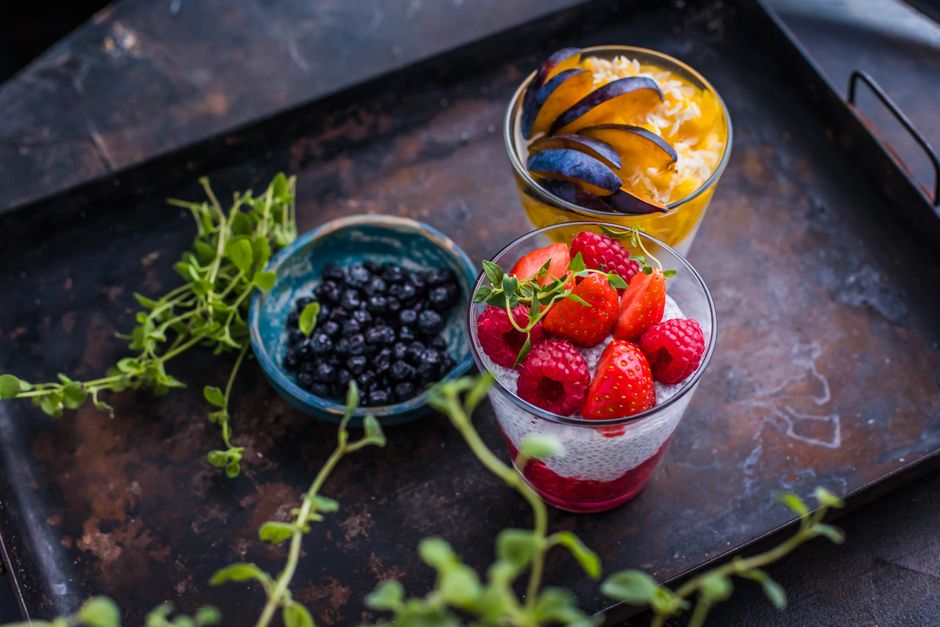
Need a fruit topping that tastes fresh, works in ten minutes, and does not slide off the plate? Make compote. It turns fresh or frozen fruit into a glossy spoonable sauce with enough body for yogurt, pancakes, waffles, cupcakes, and cake.
Which fruit works best for each topping?
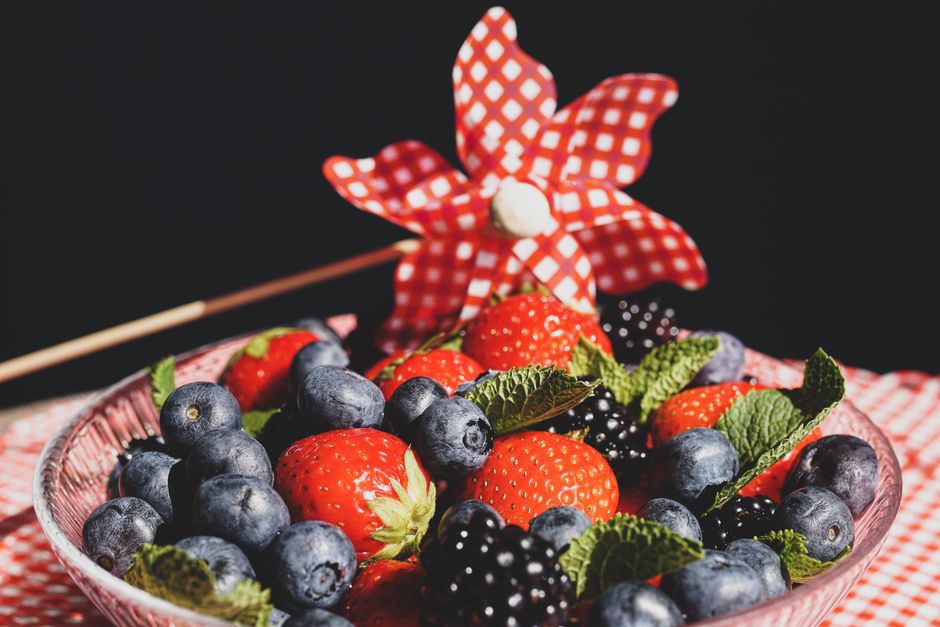
The right fruit depends on the food underneath it. Use bright, acidic fruit with rich yogurt and cake. Use softer, sweeter fruit with plain pancakes. Frozen fruit works well, but it releases more water and usually needs a longer reduction.
| Fruit | Liquid | Sugar | Cook time | Best use |
|---|---|---|---|---|
| Strawberries | 1 tablespoon lemon juice | 1 to 2 tablespoons per 2 cups | 8 minutes | Yogurt, shortcake, cupcakes |
| Blueberries | 1 tablespoon water | 1 tablespoon per 2 cups | 6 to 8 minutes | Pancakes, cheesecake, oats |
| Peaches | 2 tablespoons water | 1 to 2 tablespoons per 2 cups | 10 minutes | Yogurt, waffles, pound cake |
| Apples | 3 tablespoons apple juice | 1 tablespoon per 2 cups | 12 to 15 minutes | Pancakes, spice cake, oatmeal |
| Raspberries | 1 tablespoon lemon juice | 2 tablespoons per 2 cups | 5 to 7 minutes | Chocolate cake, cheesecake |
Choose tart fruit for rich desserts
Raspberries, sour cherries, blackberries, and plums cut through butter, cream cheese frosting, and whipped cream. That contrast makes a rich dessert taste lighter. Do not drown these fruits in sugar. Start with one tablespoon per two cups, taste after five minutes, and add more only if the fruit still tastes harsh.
Choose sweet fruit for plain breakfasts
Peaches, ripe pears, apples, and blueberries work better when the base is plain yogurt or a lightly sweetened pancake. They bring a rounder flavor and need less sugar. If the fruit tastes bland, add lemon zest before adding more sugar. Zest gives the compote a stronger fruit aroma without making it syrupy.
How to make a thick compote in ten minutes
Use a wide saucepan, not a narrow pot. A wide pan lets water evaporate quickly, which means thicker compote and less waiting. Add two cups of chopped fruit, one to two tablespoons of sugar, one tablespoon of lemon juice, and a pinch of salt. The salt does not make the topping savory. It sharpens the fruit.
Start with the right pan and heat
Set the pan over medium heat and stir every minute. Fresh berries may release liquid within two minutes. Apples and firm peaches need a splash of water or juice so the edges do not scorch before the centers soften. Keep the mixture at a steady simmer. A hard boil can break delicate fruit into foam and make the liquid reduce unevenly.
Stop cooking before it looks finished
Remove the pan when the fruit looks glossy and the liquid coats a spoon but still runs off it. The compote thickens as it cools. For a smooth sauce, mash it with a fork or blend half the mixture and stir it back in. For a chunky topping, leave pieces at least half an inch wide. If the compote becomes too thick, stir in one teaspoon of water at a time. If it stays thin, cook it for two more minutes. Cornstarch is rarely needed and can give the fruit a dull, pudding-like texture.
How to use compote on yogurt
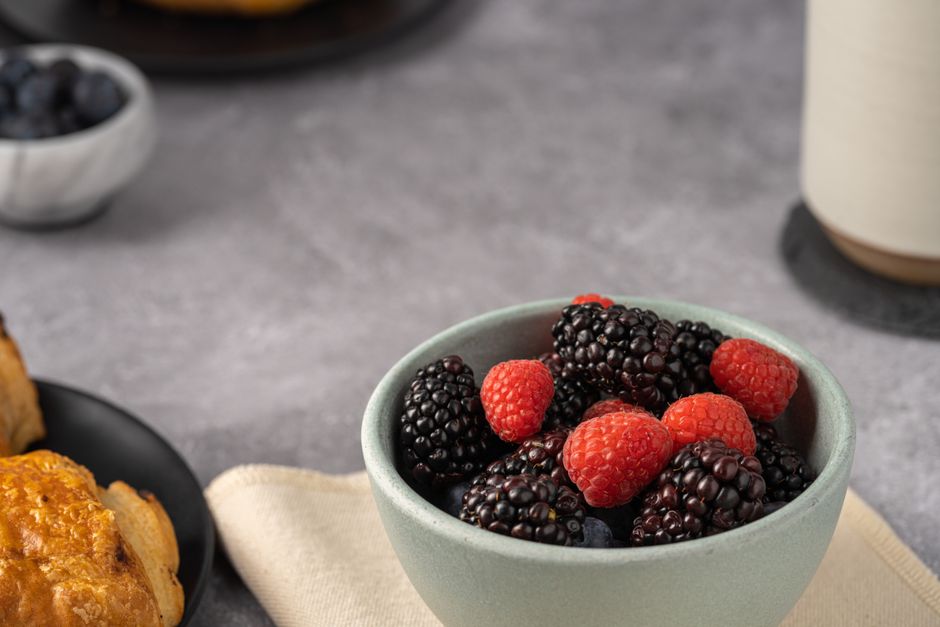
For yogurt, keep the compote bold and slightly tart. Plain Greek yogurt has a thick texture and mild acidity, so a sweet, loose berry topping works well. Start with two-thirds cup yogurt and two tablespoons compote. That ratio gives you visible fruit without turning breakfast into soup.
Build a yogurt bowl that stays textured
Spoon the yogurt into a bowl first. Add compote in small pools rather than mixing it completely through. Then add something crisp, such as toasted oats, chopped almonds, pumpkin seeds, or crushed cereal. If you stir everything together, the topping loses its contrast within minutes. For meal prep, keep the compote in a separate container and add it just before eating.
- Use blueberry compote with lemon zest and plain Greek yogurt.
- Use peach compote with cinnamon, oats, and toasted pecans.
- Use raspberry compote with vanilla yogurt and dark chocolate shavings.
- Use apple compote with thick yogurt, walnuts, and a pinch of nutmeg.
Fix watery or overly sweet yogurt
Watery yogurt usually comes from a loose compote or low-protein yogurt. Reduce the fruit for two extra minutes, or strain off a little liquid before serving. If the bowl tastes too sweet, add lemon zest or a spoonful of plain yogurt. Do not add more granola to rescue it. That only adds sugar and hides the problem. The best yogurt topping has clear fruit flavor, mild sweetness, and enough acidity to keep the bowl lively.
How to keep compote on pancakes and waffles
Pancakes need a topping with body. Thin fruit juice runs straight to the plate, while thick jam sits in a lump. The winner is a chunky compote reduced until it falls from a spoon in a slow ribbon.
Should you use syrup with fruit compote?
Usually, no. A good compote already carries enough moisture and sweetness. Adding a full pour of maple syrup makes the stack wet before you reach the middle. If the pancakes are not sweet enough, drizzle one teaspoon of maple syrup over the top after adding the fruit. That gives you maple flavor without washing out the compote.
How much compote belongs on a stack?
Use three tablespoons of warm compote for a stack of three medium pancakes. Spread one tablespoon between the first and second pancakes, then place the rest on top. This distributes the fruit instead of creating one heavy mound. For waffles, use four tablespoons because the grid holds more topping. Keep whipped cream or yogurt on the side if you want extra richness. Adding both under the compote can make the surface slippery and difficult to cut.
Blueberry compote is the safest choice for pancakes because it stays spoonable and keeps its color. Apple compote wins on crisp mornings because its cinnamon flavor matches griddled batter. Peach compote is best for waffles when the fruit is ripe and the pieces still hold their shape.
How to use fruit compote on cake and cupcakes
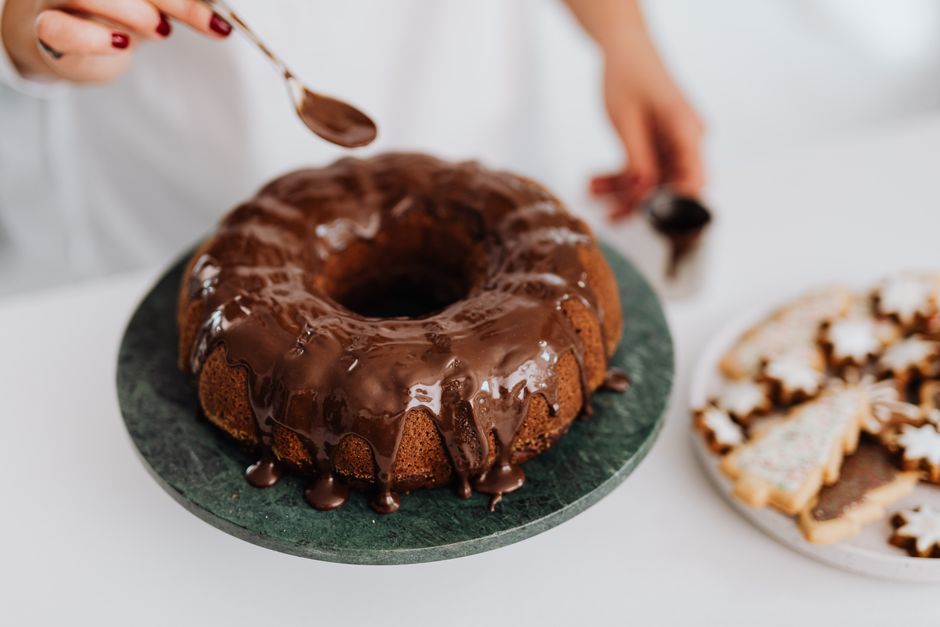
Cake needs more care than yogurt or pancakes because the wrong compote can destroy the crumb. A wet topping soaks through sponge cake, loosens frosting, and makes cupcake liners greasy. For cake, reduce the fruit until it is thick, cool it completely, and apply it in a narrow layer instead of pouring it over the whole dessert.
Layer compote between cake layers
For a two-layer cake, pipe a ring of frosting around the outer edge of the bottom layer. This ring acts as a barrier. Spread about one-half cup of cold compote inside the ring, keeping it at least one inch from the edge. Place the second layer on top and chill the cake for twenty minutes before frosting. Raspberry or sour cherry compote is the strongest match for vanilla cake because its acidity balances buttercream. Peach compote works with spice cake, but chop the fruit small so the layers stay stable.
Use a thicker topping for cupcakes
Cupcakes need a topping that stays put. Reduce the compote until a spoon dragged across the pan leaves a clear path for one second. Cool it, then add one teaspoon to the center of each frosted cupcake. A small depression in the frosting keeps the fruit from sliding. Do not add warm compote to buttercream. Heat melts the fat and creates a shiny, broken surface.
Jarred preserves can work when cooking is not practical, but they are sweeter and less fresh than compote. Bonne Maman Strawberry Preserve comes in a 13-ounce jar and makes a quick filling when loosened with lemon juice. Smucker’s Apricot Preserves, sold in a 12-ounce jar, works with spice cake but needs extra acidity. Stonewall Kitchen Wild Maine Blueberry Jam comes in a 13-ounce jar and is thick enough for cupcakes, though it tastes more like jam than cooked fruit. Homemade compote is the clear winner when the fruit itself should stand out.
Common compote mistakes, storage, and the final verdict
The recipe is simple, but small mistakes change the result. Most bad compote is either too sweet, too thin, or cooked past the point where the fruit still tastes fresh.
Five mistakes to avoid
- Adding too much sugar. Start low. You can add sugar, but you cannot remove it.
- Skipping lemon juice. Even sweet fruit needs acid to keep the flavor clear.
- Using a deep pot. Slow evaporation leaves you with fruit soup.
- Boiling frozen fruit too hard. Gentle simmering protects the texture and prevents foaming.
- Serving it hot on frosting. Cool the compote first or the frosting will melt.
How long compote lasts
Store cooled compote in a clean covered container in the refrigerator for up to five days. Freeze it in small portions for up to three months. Thaw it overnight, then warm it gently in a saucepan with one teaspoon of water. Do not leave fruit compote at room temperature for more than two hours, especially when serving it with yogurt, cream, or cake.
For yogurt, make a loose, bright compote. For pancakes, reduce it until it falls in a slow ribbon. For cake, make it thick enough to hold a clean edge. That is the whole rule. As home baking moves toward simpler toppings with stronger fruit flavor, compote will keep replacing heavy syrups and overly sweet fillings.