Lemon bars should have a crisp, buttery base and a soft filling that cuts cleanly. Orange pound cake should be dense but tender, with a bright citrus flavor instead of a heavy layer of sweetness. The winning approach is simple: control the acid, measure flour by weight, and stop baking as soon as the center sets.
Why lemon bars and orange pound cake need different methods
These desserts use citrus for the same basic reason: acid and aromatic oils cut through sugar and butter. The texture problem is different, though. Lemon bars depend on a firm crust supporting a custard-like filling. Orange pound cake depends on an even emulsion of butter, sugar, eggs, flour, and liquid.
Lemon bars are a two-layer dessert
The crust needs enough flour to hold its shape and enough butter to stay tender. Press it firmly into the pan, especially at the corners, or the lemon filling will seep underneath and soften the base. Bake the crust until the edges turn pale gold before adding the filling. A pale, wet crust cannot support a liquid custard.
The filling sets because eggs coagulate as they heat. Too little heat leaves a runny center. Too much heat creates bubbles, cracks, and a rubbery texture. Pull the bars when the middle still has a slight wobble, then let residual heat finish the job.
Orange pound cake is an emulsion
Pound cake fails when the butter, eggs, and liquid separate. Use room-temperature ingredients, add eggs one at a time, and scrape the bowl after each addition. Orange zest carries most of the fruit aroma because its oil sits in the colored outer peel. Orange juice adds flavor and moisture, but it cannot replace the zest.
Verdict: Treat lemon bars like custard on pastry and orange pound cake like a carefully built butter cake. Mixing those methods is how both desserts go wrong.
How lemon juice, orange zest, and sugar change the bake
Citrus desserts are not just sweet cakes with fruit added. Lemon juice lowers pH and sharpens flavor. Orange zest contributes fragrant oils. Sugar softens acidity, holds moisture, and changes how quickly the crust browns. Small ratio changes matter.
The useful citrus measurements
| Ingredient | Typical amount | What it controls |
|---|---|---|
| Lemon juice | 120 ml for a 23 cm square pan | Acidity and custard flavor |
| Lemon zest | Zest of 2 lemons | Fresh lemon aroma |
| Orange zest | Zest of 2 medium oranges | Floral citrus oil |
| Orange juice | 60 to 90 ml per loaf | Moisture and mild acidity |
| All-purpose flour | 180 to 220 g per loaf | Structure and crumb density |
Why zest belongs in the sugar
Rub orange or lemon zest into the sugar before mixing. The rough sugar crystals break the zest cells and release more oil. This spreads the citrus flavor through the batter instead of leaving sharp flecks in a few bites. Do not scrape down to the white pith. Pith adds bitterness and gives the cake a dull, medicinal edge.
For a consistent pantry setup, King Arthur Unbleached All-Purpose Flour weighs 120 grams per cup, Kerrygold Unsalted Butter is commonly sold in 113-gram sticks, and Domino Granulated Sugar uses the standard 200-gram cup measure. Nielsen-Massey Pure Lemon Extract can add aroma, but it should support real lemon juice and zest rather than replace them.
Verdict: Use juice for lemon bar acidity, zest for both desserts, and orange juice in modest amounts. More liquid does not mean more citrus flavor; it usually means a weaker cake.
Follow this bake schedule for clean slices
Measure everything before heating the oven. Citrus fillings wait badly, and pound cake batter loses lift if it sits on the counter. Use a metal pan for lemon bars and a light-colored metal loaf pan for orange cake. Dark pans brown the edges too fast.
Lemon bar sequence
- Heat the oven to 175°C and line a 23 cm square metal pan with baking paper.
- Mix the shortcrust until it forms damp crumbs, then press it into an even layer about 6 mm thick.
- Bake the crust for 18 to 22 minutes, until the edges are lightly golden.
- Whisk eggs, sugar, lemon juice, zest, and flour separately. Strain the mixture if you want an especially smooth filling.
- Pour the filling onto the hot crust and bake for 18 to 24 minutes more.
- Cool for 1 hour, then chill for at least 2 hours before cutting.
Orange pound cake sequence
- Heat the oven to 165°C and grease a 23 by 13 cm loaf pan.
- Cream softened butter and sugar for 3 to 5 minutes, until pale and visibly lighter.
- Add 3 large eggs one at a time, scraping the bowl after each one.
- Fold in 200 g flour, 6 g baking powder, salt, orange zest, and 75 ml orange juice in alternating additions.
- Bake for 55 to 70 minutes. A skewer should show a few moist crumbs, not wet batter.
- Cool in the pan for 15 minutes, then move the loaf to a rack.
The best timing rule is visual, not blind faith in the clock. Lemon bars should jiggle like set gelatin in the center. Pound cake should spring back lightly when pressed near the middle.
Common mistakes that ruin citrus desserts
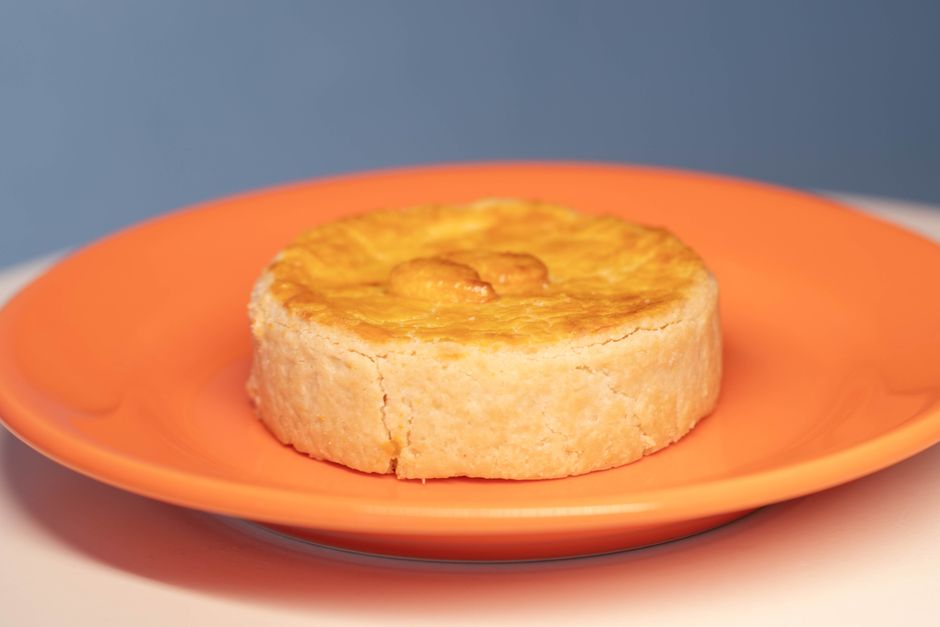
Do not overbake lemon bars. A fully firm center in the oven becomes hard after cooling. The filling should look set around the edge and tremble slightly in the middle. Refrigeration will finish the texture.
What causes a soggy lemon bar base?
The usual cause is pouring cold filling onto an underbaked crust. The crust needs a partial bake before the liquid goes in. A second cause is storing the bars uncovered in a humid refrigerator. Cool them completely, cut them with a clean knife, and keep them in a sealed container with baking paper between layers.
Do not increase the lemon juice to make the bars taste sharper. Extra juice changes the egg-to-liquid ratio and may leave the filling loose. Add more zest or a small pinch of salt instead.
What causes a dry or collapsed orange cake?
Too much flour makes the loaf dry. Scooping flour directly from the bag compresses it, so weigh 200 g or spoon it into a cup and level it. Overmixing after the flour goes in develops gluten and produces a tight, chewy crumb. Under-creaming the butter and sugar leaves the cake heavy before it even enters the oven.
A sunken center usually means the oven door opened early, the batter held too much liquid, or the loaf was removed before its structure set. If your oven runs hot, use an oven thermometer. Many home ovens miss the dial temperature by 10°C or more.
Verdict: The biggest mistake is chasing stronger citrus by adding liquid. Use zest, salt, and proper baking time instead.
Which citrus dessert should you bake first?
Are lemon bars easier than orange pound cake?
Yes, if you can wait for cooling. Lemon bars use a short ingredient list and do not require a perfect cake crumb. Their main risk is a soft crust or overbaked filling. Bake the base fully, pour the filling onto it while hot, and chill before slicing. For a first citrus dessert, lemon bars are the safer choice.
Is orange pound cake better for serving a crowd?
Yes. One loaf gives neat slices, travels well, and stays moist for two days when wrapped tightly. It also handles small variations better than lemon bars. Add a thin orange glaze only after the cake cools; pouring it over a hot loaf can make the crust gummy.
Choose lemon bars when you want sharp flavor, contrast, and small portions. Choose orange pound cake when you need a sturdy dessert for breakfast, a picnic, or a larger table. Neither dessert needs frosting, artificial color, or a thick layer of sugar.
For the clearest citrus flavor, lemon bars win. For the most forgiving bake and the better make-ahead option, orange pound cake wins.
The best final recommendation for citrus beginners
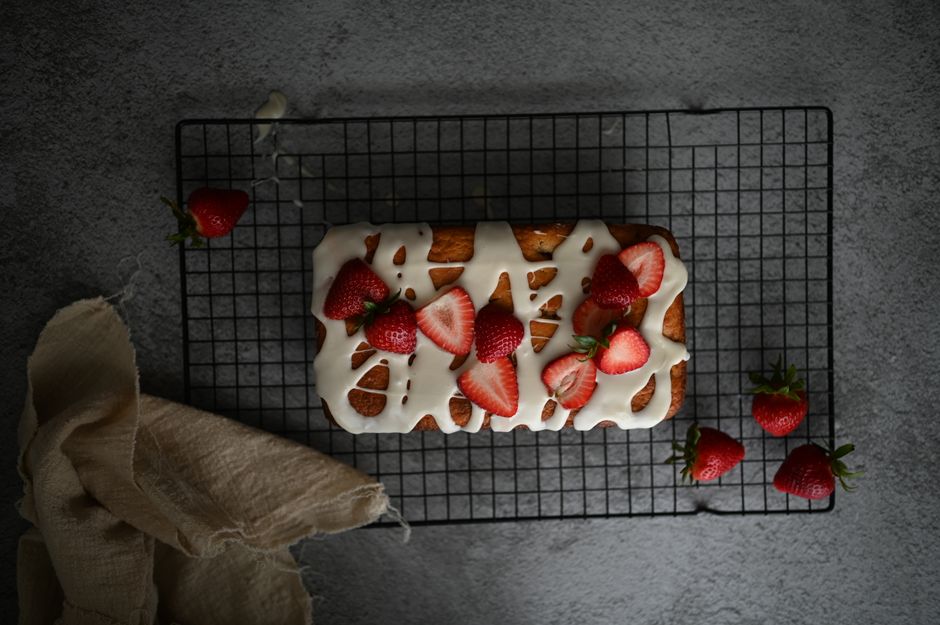
Start with lemon bars if your priority is a strong fruit flavor and a clean, bright finish. Use a 23 cm metal pan, bake the crust until pale gold, and chill the finished bars before cutting. That sequence matters more than fancy toppings.
Choose orange pound cake if you want a dessert that stays useful after the first day. Weigh the flour, cream the butter and sugar for several minutes, use zest from two oranges, and bake at a moderate temperature. The loaf should be moist and compact, not airy like sponge cake.
Storage and serving
Keep lemon bars refrigerated in a sealed container for up to 4 days. Let them sit at room temperature for 10 minutes before serving. Store orange pound cake tightly wrapped at room temperature for 2 days or refrigerate it for up to 5 days. Bring chilled cake back to room temperature before eating so the butter softens.
The clear choice
For a first citrus bake, make lemon bars. They teach the most useful lessons: how to build a crisp base, balance acid with sugar, and judge doneness by movement instead of color. Once that works, bake orange pound cake when you want a longer-lasting dessert with a softer, more forgiving crumb.