It’s 5 PM. Everyone’s hungry. You’re exhausted. Another night, another scramble to figure out dinner. Sound familiar? It’s a universal problem. Most people overcomplicate it. You don’t need gourmet. You need simple, fast, and edible. That’s the goal. Stop making excuses for complicated meals that leave your kitchen a disaster and your family still waiting.
The Sheet Pan Savior: Minimal Mess, Maximum Flavor
Look, the sheet pan is the unsung hero of weeknight cooking. Period. You chop, you toss, you roast. One pan. Done. Forget multiple pots and pans, that’s just unnecessary cleanup. This method cuts down on dishes, uses less oil, and cooks everything evenly. You get crisp-tender vegetables and perfectly cooked protein. It’s efficient. It’s genius.
The beauty of a sheet pan dinner is its adaptability. Almost any protein and vegetable combination works. Chicken, sausage, salmon, tofu – pick your poison. Pair it with sturdy vegetables like broccoli, bell peppers, potatoes, or Brussels sprouts. The key is consistent sizing. Cut everything roughly the same size so it cooks at the same rate. Don’t overcrowd the pan; that steams the food instead of roasting it. Give things space. High heat is your friend here, usually 400-425°F (200-220°C). Season generously before it hits the oven. A good olive oil, salt, pepper, and some garlic powder or paprika. That’s all you need.
Consider a Sheet Pan Sausage and Peppers. Slice up some bell peppers, onions, and your favorite pre-cooked sausage (Italian sausage works great). Toss with olive oil, salt, pepper, and a pinch of dried oregano. Spread it on a single sheet pan. Roast for 20-25 minutes until the vegetables are tender and slightly caramelized. Serve with a side of rice or a simple green salad. This meal is on the table in under 30 minutes, actual cooking time.
Perfecting Protein & Veggie Combos
Not all ingredients cook at the same speed. That’s the biggest mistake people make. Delicate items like asparagus will burn before dense potatoes are tender. You need to match. For chicken thighs, which cook in about 25-30 minutes, pair them with broccoli florets or sliced carrots. If you’re using chicken breast, cut it into 1-inch pieces to match the cooking time of quick-roasting vegetables like zucchini or cherry tomatoes. For root vegetables like potatoes or sweet potatoes, cut them smaller or give them a 10-15 minute head start in the oven before adding the protein and other faster-cooking veggies. Always preheat your oven properly. A cold oven ruins everything.
Timing is Everything for Crispy Results
No one wants soggy roasted vegetables. High heat, as mentioned, is critical. But also, use parchment paper. It prevents sticking and makes cleanup even easier. Don’t use foil unless you want steamed food. Another crucial step: pat your proteins and vegetables dry before tossing with oil and seasoning. Excess moisture creates steam, which prevents browning. For truly crispy edges, especially with potatoes or Brussels sprouts, consider adding a tiny bit of cornstarch to your seasoning mix. It helps absorb moisture and promotes a superior crisp. A good Sheet Pan Lemon Herb Chicken and Potatoes will feature crispy skin and fluffy potato interiors if you follow these rules. It’s not rocket science; it’s just paying attention.
One-Pot Wonders: Your Dishwasher Will Thank You
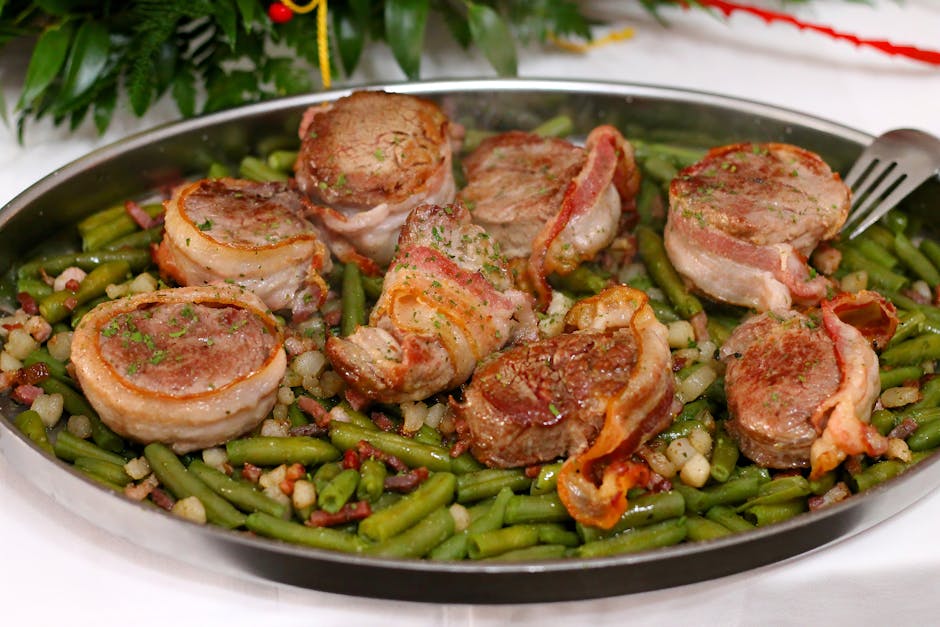
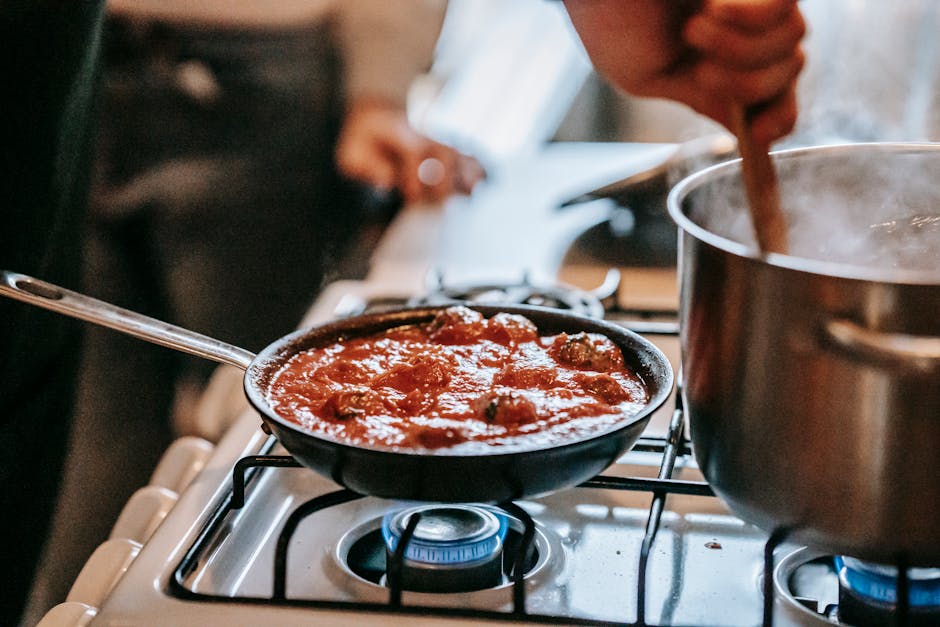
The one-pot meal isn’t a new concept, but it’s a forgotten art. It’s about efficiency, flavor development, and minimal cleanup. Forget the myth that complex meals require every pot and pan you own. A truly great one-pot dish builds flavor layer by layer in a single vessel. This isn’t just about throwing ingredients together. It’s about understanding how flavors meld and how liquids reduce to create a cohesive, delicious meal. You sauté aromatics, add protein, then liquid and starches. Everything cooks together, absorbing all those delicious flavors. It’s smart cooking, not lazy cooking.
Think about the sheer amount of flavor concentrated in a one-pot meal. As pasta cooks directly in the sauce, it releases starches that thicken the sauce, creating a rich, velvety texture you can’t get from boiling pasta separately. When rice cooks with seasoned broth and vegetables, every grain absorbs that goodness. This method saves you time both in cooking and, crucially, in cleanup. One pot, one lid, maybe a cutting board and a knife. That’s it. It frees you up to do other things while dinner handles itself. This approach is perfect for busy weeknights when you want something comforting but don’t have the energy for an elaborate production. It’s the ultimate set-it-and-forget-it, mostly. You still need to stir it sometimes, obviously.
Mastering the One-Pot Pasta
The One-Pot Creamy Tomato Pasta is a prime example. You need one large pot, some olive oil, a can of crushed tomatoes, vegetable or chicken broth, uncooked pasta (spaghetti or penne work well), and aromatics like garlic and onion. Sauté the garlic and onion, add the tomatoes, broth, and then the dry pasta. Bring it to a boil, then reduce heat and simmer, stirring frequently, until the pasta is al dente and the sauce has thickened. This usually takes about 10-15 minutes. Stirring is non-negotiable here; it prevents sticking and ensures even cooking. Finish with a handful of fresh spinach or basil and a sprinkle of Parmesan. It’s ridiculously easy, genuinely delicious, and creates a fraction of the mess of traditional pasta dishes. No separate pot for boiling, no colander. Simple perfection.
Beyond Pasta: Hearty One-Pot Stews
One-pot meals extend far beyond pasta. Consider a One-Pot Chicken and Rice. Brown chicken thighs in a Dutch oven. Remove them. Sauté onions, carrots, and celery. Add rice, chicken broth, and your browned chicken back in. Cover and simmer until the rice is cooked and the liquid is absorbed. This takes about 20-25 minutes. The flavors from the chicken infuse the rice, creating a savory, satisfying meal. Lentil stews, chili, even some curries can be adapted to this one-pot method. The key is to build flavor. Don’t skimp on sautéing your aromatics or browning your proteins. Those steps are crucial for depth. This isn’t just about saving time; it’s about making better food with less effort.
Instant Pot Hacks: Dinner in a Flash, Seriously
The Instant Pot isn’t just a gadget; it’s a time machine for dinner. If you’re not using it, you’re missing out. It cuts cooking time for typically long-haul dishes by 70-80%. Think tender pulled pork in an hour, not eight. Hard-boiled eggs in five minutes. This isn’t magic; it’s pressure cooking, modernized and safe. You dump ingredients in, press a button, and walk away. It’s that simple. Stop doubting it. It works.
Essential Instant Pot Family Meals
- Instant Pot Shredded Chicken: This is non-negotiable for meal prep and quick dinners. Place 1-2 pounds of boneless, skinless chicken breasts or thighs in the Instant Pot. Add 1 cup of chicken broth or water, salt, pepper, and a teaspoon of garlic powder. Cook on high pressure for 10 minutes, followed by a 5-minute natural release. Shred the chicken directly in the pot with two forks. Use it for tacos, sandwiches, salads, or quick stir-fries. It’s versatile. It’s fast.
- Instant Pot Mac and Cheese: Forget the boxed stuff. This is creamy, cheesy, and takes less than 15 minutes. Combine 1 pound elbow macaroni, 4 cups water, and a teaspoon of salt in the Instant Pot. Cook on high pressure for 4 minutes, then quick release. Stir in 1/2 cup milk, 1/4 cup butter, and 2 cups shredded cheddar cheese until melted and smooth. This recipe is a family favorite for a reason.
- Instant Pot Chili: A hearty chili usually takes hours to simmer for flavor. In the Instant Pot, you get deep flavor in under an hour. Sauté ground beef or turkey using the sauté function. Drain fat. Add diced onions, bell peppers, garlic, crushed tomatoes, beans, broth, and chili spices. Cook on high pressure for 20 minutes with a natural release for 10 minutes. The pressure cooker infuses all those flavors quickly.
Quick Prep, Fast Cook: What Actually Works
The real secret to Instant Pot efficiency isn’t just the cooking time, it’s the minimal prep required for many recipes. For most one-pot Instant Pot meals, you do some initial chopping or browning (often directly in the pot using its sauté function), then everything goes in. No transferring, no multiple pans. For example, making Instant Pot Pot Roast. Brown your chuck roast on all sides in the pot, remove it. Sauté onions and garlic. Deglaze with broth. Add potatoes, carrots, seasoning, and the roast back in. High pressure for 60-75 minutes. That’s a fraction of the time a traditional pot roast demands, and the meat comes out fall-apart tender every single time. It’s a for tough cuts of meat.
The Truth About Meal Prep: Does It Really Save Time?

People talk about meal prep like it’s some mythical beast. It’s not. It’s just organization. Yes, it saves time during the week. But you have to put in the time upfront. It’s a trade-off. You sacrifice an hour or two on Sunday to save 15-20 minutes every night. For some, that’s a huge win. For others, it’s another chore. Be honest with yourself. It’s not for everyone, but if done right, it makes weeknights infinitely smoother. Don’t go overboard. Start small.
What Should I Actually Prep Ahead?
Don’t try to prep entire meals from scratch if you’re new to this. That’s how you burn out. Focus on components. Cook a big batch of grains: quinoa, brown rice, or farro. Wash and chop your vegetables: bell peppers, onions, carrots, broccoli florets. Make a batch of dressing or sauce. Roast a tray of chicken breasts. Grill some chicken sausages. These are building blocks. You can assemble them into different meals throughout the week. For example, pre-cooked rice, roasted chicken, and chopped bell peppers can become a quick stir-fry, a burrito bowl, or a simple salad. It’s about having the ingredients ready, not necessarily the finished dish.
Is Weekend Batch Cooking Worth It?
For most families, yes, batch cooking on the weekend is worth it. Make a large pot of chili, a big lasagna, or a shepherd’s pie. These are freezer-friendly meals that can be portioned out. Freeze individual servings for grab-and-go lunches or full family portions for a quick reheat dinner. The trick is variety. Don’t make the same thing every week. Rotate your batch-cooked meals so no one gets bored. A big batch of meatballs in sauce, for instance, can be served with pasta one night, then in sub rolls another. It prevents decision fatigue and ensures there’s always something decent to eat, even when you’re too tired to think.
Frozen Food Allies: Stop Pretending They’re Cheating
Get over it. Using frozen vegetables or pre-chopped onions is not “cheating.” It’s smart. It’s realistic. You’re busy. If a bag of frozen stir-fry mix gets a healthy meal on the table faster than chopping fresh, then do it. Your family doesn’t care if the peas were shelled five minutes ago or five months ago. They care if dinner is ready and tastes good. Embrace the convenience. It’s not a moral failing. It’s a strategic move.
Battle of the Quick Dinners: Which Method Wins?
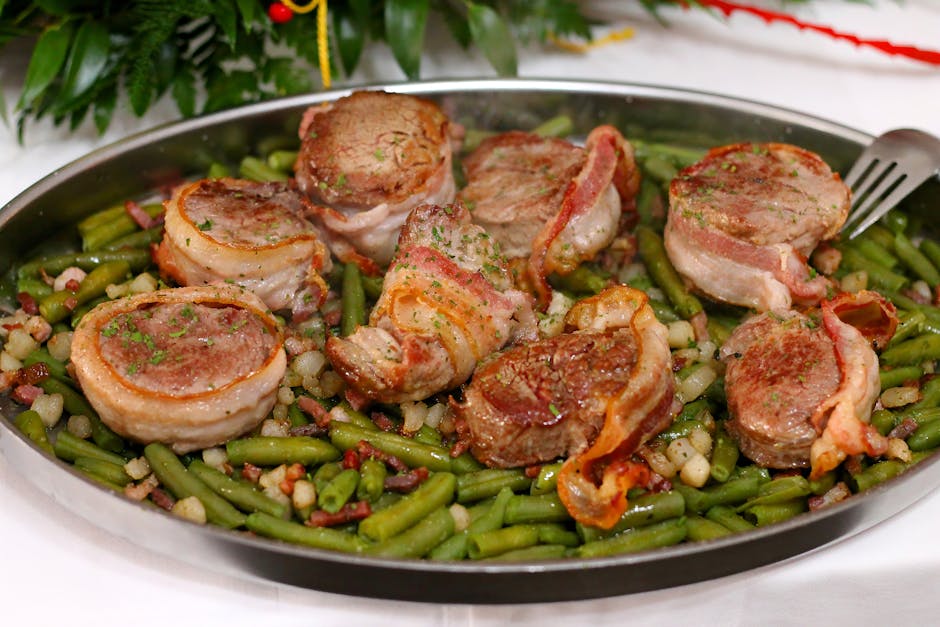
There’s no single “best” method. It depends on your mood, your time, and your cleanup tolerance. But if you want a clear breakdown, here it is. Each has its place in your weeknight arsenal. Don’t commit to just one; master them all. Your sanity will thank you.
| Method | Prep Time (Avg.) | Cook Time (Avg.) | Cleanup | Versatility | Verdict |
|---|---|---|---|---|---|
| Sheet Pan | 10-15 min | 20-30 min | Minimal (1 pan) | High (proteins, veggies) | Best for speed + easy cleanup. Crisp results. |
| One-Pot | 10-20 min | 15-40 min | Minimal (1 pot) | High (pasta, stews, grains) | Ideal for rich, cohesive flavors with minimal dishes. |
| Instant Pot | 5-15 min | 10-30 min (pressure) | Moderate (1 pot, inner lid) | Very High (fast anything) | Unbeatable for tough cuts, long-simmered dishes, and batch cooking. |
| Meal Prep (Weekend) | 90-120 min | N/A (prep) | Moderate (multiple) | High (components) | Invest time upfront, save time & stress all week. |