Most vegan recipe sites are American. That matters more than you think.
When a recipe calls for products that do not exist on British supermarket shelves, you are already off to a bad start before you have touched a single ingredient. UK vegan cooking has its own ingredient landscape, its own seasonal rhythms, and its own supermarket constraints. This article works within that reality — no specialist health food shops required for the basics.
Why UK Vegan Cooking Has a Different Starting Point
British cuisine was built for comfort: pies, stews, roasts, pasties. Those formats translate to plant-based cooking better than most national cuisines, because the structure of the dish does the heavy lifting. The gravy carries the flavour. The pastry carries the texture. The filling just needs to be substantial.
A proper vegan shepherd’s pie is not a compromise. Swap the lamb mince for The Meatless Farm mince (around £3.50 at Tesco and Sainsbury’s) or cooked green lentils, keep the onion-carrot-rosemary base identical, and the result holds its own. What fails in UK vegan cooking is usually one of three things: using watery plant milk in a sauce that needs fat, trying to replicate meat texture with the wrong product, or under-seasoning because the dish ‘should be healthy.’ None of those are vegan problems. They are cooking problems that happen more often with unfamiliar ingredients.
The Ingredient Switch That Trips Most People Up
Butter and cream are structural in British cooking. They carry fat, which carries flavour and creates texture. Remove them without replacing the fat content and dishes go flat. Oatly Barista — the blue carton, not the regular one — has enough fat and protein to behave like single cream in sauces and soups. Naturli Organic Vegan Block is the closest thing to block butter for pastry and baking available on UK shelves; it behaves almost identically to standard block butter in shortcrust pastry.
The regular Oatly carton works fine for cereal. It splits in acidic sauces and turns pasta dishes thin and grainy. The Barista label exists for a reason. That single distinction prevents a lot of failed cooking.
What the Major UK Supermarkets Actually Stock
Waitrose and M&S carry the widest range of quality vegan ingredients, but most households do the bulk of their shopping at Tesco or Sainsbury’s. Both have expanded their own-label vegan lines significantly since 2026. Tesco Plant Chef and Sainsbury’s Love Your Veg cover the basics at low price points. For specialist items — Violife cheese blocks, jackfruit in brine, silken tofu — a weekly Tesco or Sainsbury’s shop plus occasional Ocado orders covers most recipes.
Aldi and Lidl both carry a rotating vegan range. Worth checking, but not something you can plan meals around since availability changes weekly without warning.
Five Vegan Recipes That Need No Specialist Ingredients

These are not vegan versions of things. They are dishes where plant-based cooking is the native format — no gap where an animal product used to be.
- Dal makhani (adapted for UK shelves) — Use Alpro Soy Cuisine instead of cream (it behaves better than oat milk in Indian sauces) and coconut oil instead of ghee. Black lentils are available at Tesco and any Asian grocery. Under £4 for a pot that feeds four. The spicing does all the work.
- Roasted tomato and white bean soup — No substitutes needed at all. Tinned cannellini beans, vine tomatoes roasted at 200°C for 25 minutes, garlic, olive oil, vegetable stock. Blend and finish with a drizzle of good olive oil. This dish was never built around animal products to begin with.
- Mushroom and lentil cottage pie — Merchant Gourmet Puy Lentils (pre-cooked pouches, around £2 at most supermarkets) combined with chestnut mushrooms. The umami from the mushrooms and the texture from the lentils create a filling base without any meat substitute. Top with mash made using Naturli butter and Oatly Barista.
- Spiced chickpea and spinach curry — Two tins of chickpeas, one tin of chopped tomatoes, a bag of spinach, garam masala, cumin, and coriander. Total cost around £2.50. Twenty minutes. Weeknight cooking that is genuinely satisfying rather than merely nutritionally adequate.
- BOSH! sticky sesame noodles — The original BOSH! cookbook (published 2018, widely available secondhand for £3–5) is the clearest introduction to UK-accessible vegan cooking available in print. Their sesame noodle base uses ingredients from any supermarket Asian aisle and comes together in under 15 minutes. It is the recipe that convinces most sceptics this style of cooking is not complicated.
UK Vegan Pantry: What Is and Is Not Worth Buying
Not every vegan pantry staple earns its shelf space. Some are genuinely foundational; others are expensive products with free alternatives already in your kitchen.
| Ingredient | Worth Buying? | UK Stockist | Verdict |
|---|---|---|---|
| Nutritional yeast flakes | Yes | Holland & Barrett, Tesco, Amazon | Adds savoury depth to sauces and cheese-style bakes. Buy flakes, not powder — better texture and more versatile. |
| Oatly Barista (blue carton) | Yes — specifically this one | All major supermarkets | Higher fat than standard oat milk. The only oat milk that behaves reliably at cooking temperatures. |
| Naturli Vegan Block | Yes for baking and pastry | Waitrose, Tesco, Sainsbury’s | Closest to block butter for shortcrust. Flora Plant Butter works for general cooking at lower cost. |
| Aquafaba (chickpea tin liquid) | It is free — just save it | Comes in every tin of chickpeas | Works as an egg white substitute for meringues and mousse. Never buy it separately. |
| Jackfruit in brine | Occasionally | Tesco, Asian supermarkets | Only useful in pulled-style dishes. Not a protein source — mostly fibre and water. Worth knowing before you buy. |
| Violife Epic Mature block | Yes, for specific dishes | Tesco, Waitrose, Sainsbury’s | The block format melts and tastes better than the sliced version. Worth £3.50 for pasta bakes and pizza. |
| Flaxseed meal | Yes for baking | Holland & Barrett, Tesco | 1 tbsp ground flax plus 3 tbsp water equals one egg in most dense bakes. Reliable and tasteless. |
| Coconut aminos | No | Health food shops only | Soy sauce does the same job at a fraction of the cost. Skip unless you are avoiding soy entirely. |
Bottom line: The four items that change UK vegan cooking most are Oatly Barista, Naturli Vegan Block, nutritional yeast, and flaxseed meal. Everything else is useful in context but not foundational.
Vegan Baking in the UK: What the Recipes Do Not Tell You
Vegan baking works well. Vegan pastry is genuinely excellent when you use the right fat. Vegan cakes are reliable once you understand that not all egg replacements do the same job — and most guides gloss over this completely.
The mistake is treating all eggs as identical. A whole egg in a Victoria sponge does something very different from an egg yolk in custard. Replace them the same way and you get unpredictable results that seem to confirm vegan baking is difficult when the actual problem is using the wrong substitute.
Which Egg Substitute Works for Which Job
For binding in dense bakes — brownies, banana bread, muffins — use a flaxseed egg (1 tbsp ground flaxseed plus 3 tbsp water, rested for 5 minutes) or mashed ripe banana. The flaxseed adds almost no flavour. The banana does exactly what bananas always do.
For lift in lighter cakes — Victoria sponge, cupcakes, sponge layers — use apple cider vinegar plus bicarbonate of soda. The reaction creates the rise that beaten eggs would normally provide. Use 1 tsp vinegar and half a tsp bicarb per egg replaced. This is the combination that makes most UK vegan cupcake recipes work reliably.
For custards, quiches, and anything that needs to set: Clearspring silken tofu (stocked at Waitrose and Ocado) blended until smooth creates a set that holds well in tarts and slices. For scrambled and omelette applications, JUST Egg — a liquid product made from mung bean protein, available at Sainsbury’s and Waitrose at around £4 per carton — scrambles convincingly and sets under heat in a way no other substitute currently matches.
The Vegan Bake That Converts the Most Sceptics
Chocolate brownies. Chocolate bakes do not rely on egg proteins for structure — they rely on chocolate and fat. A brownie made with good dark chocolate, coconut oil, a flaxseed egg, and Oatly Barista is indistinguishable from the standard version to most people who try it blind. Start here. One reliable recipe builds the confidence to approach everything else.
The Protein Question
You do not need supplements, protein powders, or specialist products to eat adequate protein on a UK vegan diet. A 400g tin of chickpeas contains around 19g of protein. A 200g block of firm tofu contains around 16g. Eat both across a day alongside oats at breakfast and you are at 60g without tracking anything. The ‘complete protein’ concern applies if you eat a single food in isolation — not if you eat normally across a day, because amino acids pool across meals.
Seasonal UK Vegan Cooking: What Is Actually Worth Buying Each Quarter
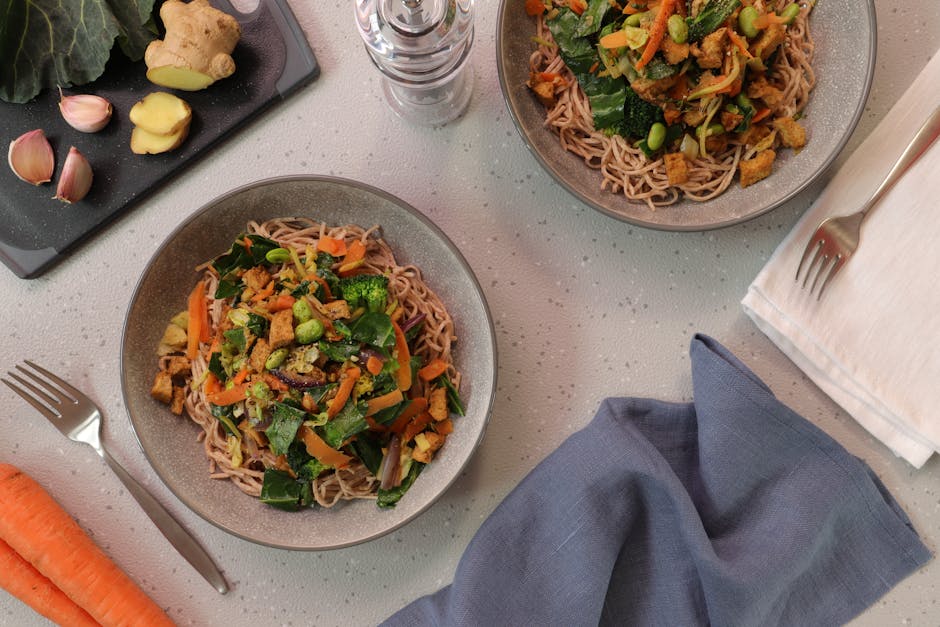
UK seasonal produce is worth tracking because the price and flavour gap between in-season and out-of-season is significant. A courgette in August costs under 50p and tastes like something. The same courgette in February costs over £1 and tastes of very little.
| Season | Best UK Vegan Produce | Dishes It Suits Well | Approximate Cost |
|---|---|---|---|
| Spring (Mar–May) | Asparagus, purple sprouting broccoli, new potatoes, peas | Asparagus and pea risotto, spring vegetable soup, minty pea pasta with lemon | Asparagus from £1.50 per bunch at peak season |
| Summer (Jun–Aug) | Courgettes, vine tomatoes, broad beans, sweetcorn, runner beans | Stuffed courgettes, slow-roasted tomato pasta, corn fritters (flaxseed egg) | Courgettes from 35–50p each in season |
| Autumn (Sep–Nov) | Butternut squash, pumpkin, chestnut mushrooms, leeks, apples | Squash and lentil soup, mushroom Wellington, leek and potato pie | Butternut squash from £1 at most supermarkets in season |
| Winter (Dec–Feb) | Celeriac, parsnips, Brussels sprouts, cavolo nero, swede | Celeriac steaks, roasted root vegetable tray bakes, cavolo nero with white beans | Celeriac from 70–90p at Tesco and Lidl in season |
Celeriac is the most underused winter vegetable in UK vegan cooking. Cut into 2cm slabs, rubbed with smoked paprika and olive oil, roasted at 200°C for 35 to 40 minutes, it works as a substantial main course. It costs less than any vegan meat substitute on the market and outperforms most of them on texture. Nothing in the plant-based protein range at Tesco comes close to that value per portion.
What Goes Wrong: Four Mistakes in UK Vegan Cooking
Using the wrong plant milk in cooking
Standard oat milk splits in acidic sauces and makes pasta dishes watery and thin. Standard soy milk leaves a beany aftertaste in neutral-flavoured dishes like white sauces and gratins. For cooking, use Oatly Barista or Alpro Soy Cuisine — both are formulated to behave under heat. The label tells you: ‘barista’ or ‘cuisine’ means it will work. ‘Original’ or ‘unsweetened’ means it probably will not, not reliably.
Treating tofu like chicken breast
Tofu does not behave like chicken. It behaves like tofu — which is excellent when treated on its own terms. The method that works: press firm tofu in a clean tea towel with a weight on top for 20 minutes to remove excess water, marinate it overnight in soy sauce, rice vinegar, garlic and ginger, then bake at 200°C until the edges are dry and starting to colour. Pan-frying tofu straight from the packet produces the grey, soft result that gives it a bad reputation. The pressing step is not optional.
Under-seasoning tinned legumes
Tinned chickpeas and beans need aggressive seasoning immediately. They are already cooked and relatively bland, which means they need direct contact with hot spices before any liquid goes in. Add them to dry spices in a hot pan and move them around for two to three minutes first. Pouring them straight into a watery sauce and simmering gently produces flat, textureless results. The same applies to tinned lentils: they are ready to eat, but they absorb flavour through heat and direct contact, not through passive soaking in liquid.
Reducing oil to make dishes lighter
Fat carries flavour. A dal needs a proper tarka — hot coconut oil or neutral vegetable oil with mustard seeds and curry leaves, heated until they pop, then stirred through at the end. A roasted vegetable needs enough oil to caramelise properly, not just to coat the surface. Under-oiling is the most common reason vegan food tastes like something that had something taken away from it rather than a dish that was cooked properly. The problem is rarely the missing animal product. It is the missing fat.