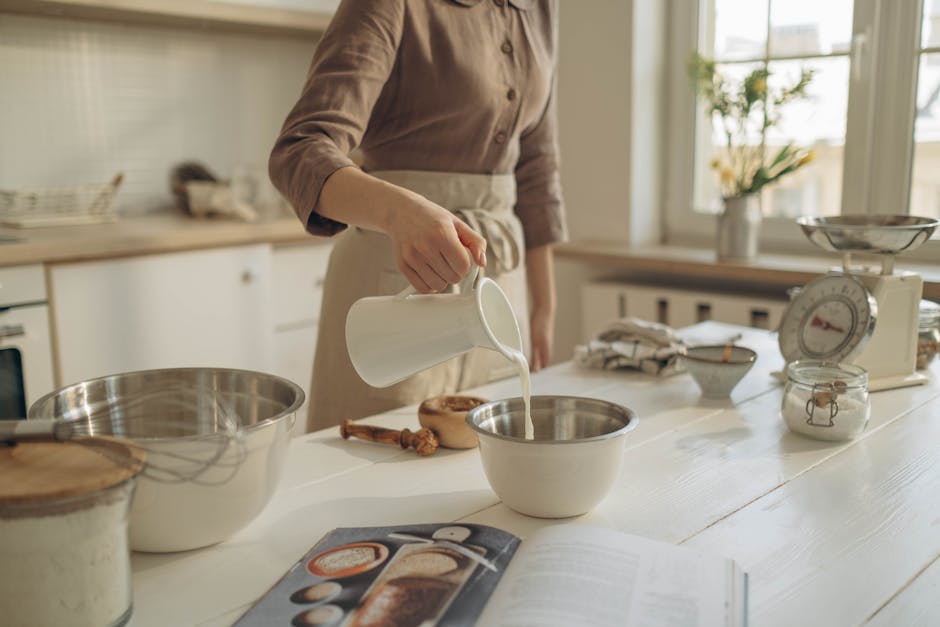
A kitchen without a well-thumbed cookbook is a room of mere utility, but a kitchen with a curated library is a studio of endless potential. For the modern home cook, the challenge is no longer finding a recipe—the internet provides those in infinite supply—but rather finding a reliable philosophy. The shift from “following instructions” to “understanding food” is a lifestyle evolution that transforms cooking from a daily chore into a creative outlet. By investing in the right literature, you are not just buying a list of ingredients; you are acquiring the collective wisdom of culinary scientists, historians, and masters of flavor.
The single most effective way to improve your cooking is to stop buying books filled with static recipes and start buying books that explain the mechanics of flavor and heat. If you only ever buy one book, it should be Samin Nosrat’s Salt, Fat, Acid, Heat. While most kitchen manuals provide a map to a single destination, Nosrat provides the compass. By mastering the four elements that govern how food tastes and behaves, you move from being a mechanical follower of instructions to an intuitive chef capable of fixing a broken sauce or balancing a flat soup without reaching for a screen. This book has become a staple in retail bookstores globally, often serving as the gateway for those who previously felt intimidated by the stove.
Which foundational cookbooks teach technique over recipes?
For the home cook who wants to understand the ‘why’ behind the ‘how,’ two titans dominate the landscape: Salt, Fat, Acid, Heat by Samin Nosrat and The Food Lab: Better Home Cooking Through Science by J. Kenji López-Alt. These are not merely collections of instructions; they are pedagogical tools designed to rewire your brain. Nosrat’s approach is sensory and intuitive. Published by Simon & Schuster and spanning 480 pages, her book argues that almost every culinary failure can be traced back to an imbalance in one of her four titular pillars. Salt enhances flavor; Fat carries it; Acid balances it; and Heat determines texture. The book, often priced around $20 to $35 at major retail outlets, features charming illustrations by Wendy MacNaughton rather than glossy photos, which forces the reader to focus on the concepts rather than trying to replicate a curated image.
Contrast this with The Food Lab. López-Alt, a former editor at Cook’s Illustrated, applies the scientific method to the kitchen. This massive volume, weighing in at nearly seven pounds with 958 pages and over 1,000 color photographs, is the definitive resource for the analytical cook. Published by W. W. Norton & Co., it typically retails between $35 and $50. He tests variables—like whether searing meat actually ‘seals in juices’ (spoiler: it doesn’t)—to find the most efficient path to a perfect result. If you want to know the exact temperature at which an egg yolk transitions from jammy to chalky, this is your bible. The pro of this book is its absolute reliability; the recipes are bulletproof and backed by rigorous testing. The con is its sheer size, which can be physically taxing to handle on a crowded countertop and may require a sturdy bookstand.
Comparison of Foundational Texts
| Book Title | Primary Focus | Approach | Specs (Pages/Weight) | Approx. Price |
|---|---|---|---|---|
| Salt, Fat, Acid, Heat | Flavor Balance | Intuitive/Artistic | 480 pages / 2.4 lbs | $28 |
| The Food Lab | Molecular Mechanics | Scientific/Data-driven | 958 pages / 6.5 lbs | $45 |
| The Joy of Cooking | General Reference | Encyclopedic | 1,152 pages / 4.8 lbs | $30 |
| On Food and Cooking | Food Science | Academic/Theoretical | 896 pages / 3.2 lbs | $40 |
How do regional bibles like Marcella Hazan’s work for modern kitchens?

Specialization is the next step in a cook’s evolution. Once you understand the basics of heat, applying those principles to a specific cuisine allows for a deeper mastery of ingredients. Essentials of Classic Italian Cooking by Marcella Hazan remains the gold standard for Italian cuisine, decades after its release. Hazan was famously uncompromising, often insisting on specific techniques that modern “quick” recipes ignore. Her recipes, such as the legendary four-ingredient tomato sauce (tomatoes, onion, butter, and salt), teach the value of restraint and the importance of ingredient quality. You can find this 736-page hardcover for about $25 to $35. The primary advantage of Hazan’s work is clarity; she demystifies techniques like braising and handmade pasta without requiring specialized equipment. However, some modern readers might find her tone slightly prescriptive, as she leaves little room for substitution or “fusion” adaptations.
Broadening the scope to Indian cuisine, An Invitation to Indian Cooking by Madhur Jaffrey serves a similar purpose. For many in the West, this book was the first introduction to the complexity of spice tempering (tadka). Jaffrey focuses on regionality, moving beyond the generic ‘curry powder’ trope that plagued mid-century Western kitchens. These regional bibles are essential because they ground the home cook in tradition. They provide a baseline of what a dish is ‘supposed’ to taste like before you begin experimenting with modern shortcuts. When purchasing these classics, look for revised editions that account for modern ingredient availability in local retail markets, which often stock a wider array of global spices than they did in the 1970s. These books are more than recipe collections; they are cultural documents that explain the “why” behind regional flavor profiles.
Investing in a regional classic is an investment in a specific palate. It teaches you how to layer flavors in a way that modern ‘quick-fix’ books often skip, ensuring your home-cooked meals have the depth of a professional kitchen.
What are the best cookbooks for high-flavor, low-effort weeknight meals?
Realistically, most home cooks are not performing three-day fermentations or clarifying stocks on a Wednesday. This is where the ‘modern minimalist’ genre excels. Yotam Ottolenghi’s Ottolenghi Simple (approx. $22-$35) changed the perception that Middle Eastern flavors required dozens of ingredients and hours of labor. Each recipe in Simple is categorized by a letter: S for short on time, I for 10 ingredients or less, M for make ahead, and so on. This transparency is a massive benefit for the busy professional who still values high-quality eating. The downside? Even ‘simple’ Ottolenghi recipes often require specific ingredients like sumac, za’atar, or pomegranate molasses. While these are now easily found at high-end retail grocers, they might require an initial pantry investment that can be managed through smart retail shopping or bulk buying.
Another standout in this category is Dinner by Nagi Maehashi, the creator of the RecipeTin Eats blog. This book has become a global bestseller because it addresses the ‘what’s for dinner?’ fatigue with extreme pragmatism. Maehashi includes QR codes on pages that link to videos of the techniques, bridging the gap between print and digital. Retailing around $25-$40, it offers a vast range of global cuisines adapted for the home kitchen. The pro here is the high success rate; Maehashi tests her recipes rigorously in a home environment. The con is that it leans more toward ‘assembly’ than ‘technique,’ which may not satisfy those looking to build deep culinary theory. However, for sheer utility and reliability, it is hard to beat. These books are the workhorses of the kitchen library, the ones that end up with sauce-stained pages and broken spines because they are used three times a week.
Strategic Sourcing: How to Build a Kitchen Library on a Budget
Building a high-quality cookbook collection is a financial commitment, but it is one that pays dividends by reducing the frequency of expensive restaurant visits. From a finance perspective, a $40 investment in a book like The Food Lab can save hundreds of dollars in “failed” ingredients over a year. When shopping, consider retail loyalty programs and seasonal sales. Many major bookstores offer significant discounts during the holiday season or through membership programs that provide free shipping and cashback rewards. For those looking to manage their household budget, purchasing one major “pillar” book per quarter is a sustainable way to grow your knowledge without a large upfront cost.
Furthermore, consider the resale value of high-quality hardcovers. Well-maintained cookbooks from reputable chefs often hold their value better than generic lifestyle magazines. Some home cooks even use finance-friendly payment options at major online retailers to spread the cost of a complete “starter set” of 5-10 essential volumes. This allows you to access professional-grade information immediately while managing monthly cash flow. Remember, the goal of these books is to make you a more efficient shopper; as you learn technique, you become better at using “loss leader” ingredients from your local retail grocer, further stretching your food budget.
Common Mistakes When Buying and Using Cookbooks
The most frequent error home cooks make is buying a book based on the chef’s celebrity status rather than the book’s practical application. Many “restaurant” cookbooks are designed more as coffee-table art than functional manuals. They often rely on “sub-recipes”—requiring you to make a specific herb oil, then a fermented pickle, then a specialized garnish before you can even begin the primary dish. These are wonderful for inspiration but frustrating for a Tuesday night. Always check the “look inside” feature on retail sites to ensure the ingredient lists are manageable and the instructions are not buried in long, dense blocks of narrative text.
Another mistake is failing to “read” the book before cooking. A cookbook is a textbook; the most valuable information is usually found in the introduction and the chapter headers, not just the ingredient lists. If you skip the first 50 pages of Salt, Fat, Acid, Heat, you are missing the entire point of the purchase. Finally, many cooks treat recipes as rigid laws rather than guidelines. Once you understand the underlying technique—such as the difference between a braise and a stew—you should feel empowered to substitute ingredients based on what is available at your local retail market. A cookbook should be a springboard for your own creativity, not a cage.
Should you invest in physical cookbooks or digital cooking subscriptions?
The debate between physical books and digital platforms like NYT Cooking or America’s Test Kitchen is often framed as a binary choice, but they serve different lifestyle needs. A physical cookbook is a curated experience. It represents a specific point in time and a specific chef’s philosophy. There is also the tactile benefit; flipping through a heavy hardcover provides inspiration that a vertical scroll on a smartphone cannot replicate. Furthermore, physical books do not require a monthly subscription fee, making them a better long-term value for those on a budget. You can often find excellent deals on these titles during retail sales events or through finance-friendly payment options at larger bookstores.
Digital subscriptions, however, offer unparalleled searchability. If you have a bag of wilting kale and half a rotisserie chicken, a digital database can find you a recipe in seconds. Services like MasterClass allow you to watch world-class chefs perform the techniques in high definition, which is invaluable for visual learners. The trade-off is the ‘paradox of choice.’ Having access to 20,000 recipes can lead to decision paralysis. For the dedicated home cook, a hybrid approach is usually best: a core library of 5-10 physical ‘bibles’ for deep learning, supplemented by a digital subscription for quick inspiration and ingredient-based searches. This balance ensures you have the foundational knowledge to judge whether a digital recipe is actually well-constructed or just visually appealing for social media.
- Physical Books: Best for deep study, tactile inspiration, and one-time cost. They are also immune to “link rot” and technology changes.
- Digital Apps: Best for searchability, video tutorials, and using up leftovers. Ideal for small kitchens with limited shelf space.
- E-books: A middle ground, though often difficult to navigate with flour-covered hands. Great for traveling or reading on the commute.
How to choose a cookbook that matches your specific skill level and goals?
Before spending $40 on the latest release, evaluate your current kitchen pain points. Are your flavors dull? Buy Salt, Fat, Acid, Heat. Is your meat always overcooked? Buy a digital meat thermometer and The Food Lab. Are you bored with your routine? Look for regional specialists. The most common mistake is buying a book based on the chef’s fame rather than the book’s utility. Many ‘restaurant’ cookbooks are notoriously difficult for home cooks because they rely on sub-recipes. These are ‘coffee table’ books, meant for looking, not for cooking.
Look for books that offer ‘modular’ cooking. This means they teach you a base—like a mother sauce or a grain bowl template—and then offer multiple variations. This builds versatility. Also, consider the layout. A good cookbook for a home cook should have the ingredients listed in the order they are used and should avoid ‘orphaned’ instructions (e.g., ‘add the onions’ when onions weren’t in the ingredient list). Retailers often provide ‘look inside’ features on their websites; use these to check the font size and the clarity of the instructions. If the text is too small or the steps are buried in long blocks of narrative, you will likely find it frustrating to use in the heat of the moment. A great cookbook should be a tool, not a chore.
Final Recommendations for Your Shelf
- The Beginner: Salt, Fat, Acid, Heat by Samin Nosrat. It removes the fear of the kitchen and focuses on the four pillars of flavor.
- The Scientist: The Food Lab by J. Kenji López-Alt. It provides the data to back up the deliciousness and explains the physics of cooking.
- The Busy Professional: Ottolenghi Simple. It maximizes flavor-to-effort ratios using modern, vibrant ingredients.
- The Traditionalist: Essentials of Classic Italian Cooking by Marcella Hazan. It teaches the power of simplicity and respect for tradition.
- The Globalist: The Flavor Equation by Nik Sharma. It explores the science of how we perceive taste through a global lens.
Building a kitchen library is a slow process of curation. Start with one foundational text and master it before moving on. The goal is to eventually reach a point where the book stays on the shelf because the knowledge has moved into your hands. Whether you are shopping at high-end department stores or looking for deals at online retailers, prioritize books that challenge your current understanding of flavor. Cooking is one of the few skills where the equipment matters far less than the theory behind it. A sharp knife and a solid book will always outperform a kitchen full of expensive gadgets and no plan.