If you’re ready to dive into home baking but feeling overwhelmed by endless gadgets and fancy ingredients, you’re in the right place. Building your beginner-friendly home baking essentials kit doesn’t have to break the bank or crowd your kitchen. With the right tools and pantry staples, you can whip up delicious cookies, cakes, and more—all while gaining confidence one recipe at a time. In this guide, you’ll discover exactly what you need to start baking smart, stay budget-friendly, and avoid those “buy-it-once” regrets. Let’s get your baking journey off to a sweet, stress-free start!
Essential Pantry Ingredients for Beginners
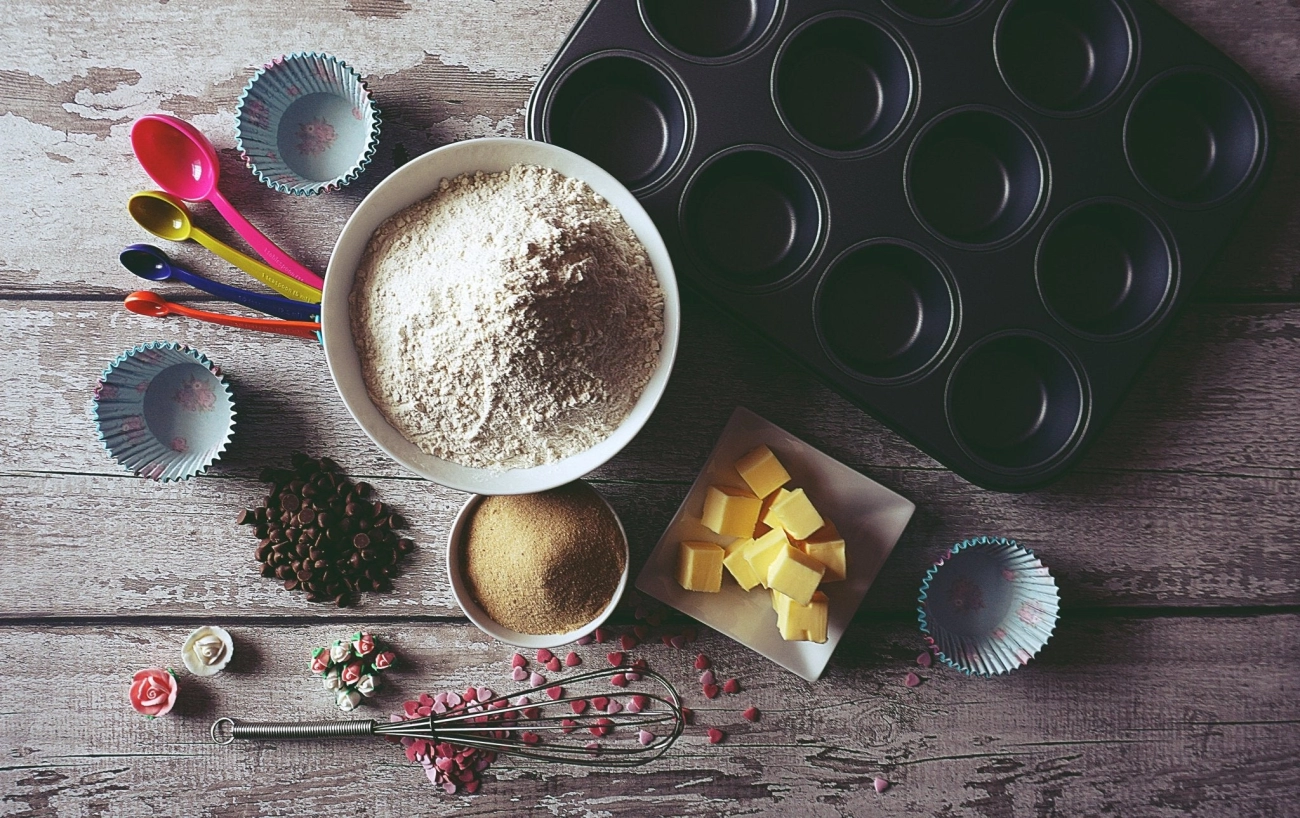
Starting your home baking adventure can feel overwhelming, but stocking your pantry with the right basics makes all the difference. Here’s a simple, beginner-friendly list of pantry essentials that cover most recipes and keep things easy:
Core Dry Ingredients
All-purpose flour: Your go-to flour for cookies, cakes, muffins, and more.
Granulated sugar: Classic sweetener for almost every bake.
Brown sugar: Adds moisture and a hint of caramel flavor, perfect for cookies and brownies.
Baking powder & baking soda: These leaveners help your bakes rise—baking powder is double-acting; baking soda reacts with acids like buttermilk or vinegar.
Salt: Enhances flavor and balances sweetness.
Leaveners and Flavor Enhancers
Pure vanilla extract: A little splash turns basic recipes into something special.
Unsweetened cocoa powder: Essential for chocolate cakes, brownies, and more.
Fats and Binders
Unsalted butter: Butter adds rich flavor and texture—go unsalted so you control the salt level.
Vegetable oil: Great for moist cakes and quick breads.
Large eggs: Help bind ingredients and add structure.
Add-ins and Extras
Semi-sweet chocolate chips: Classic for cookies and muffins.
Nuts (like walnuts or pecans): Add crunch and flavor.
Dried fruits (raisins, cranberries): Perfect for muffins, breads, or granola.
Storage Tips to Keep Ingredients Fresh
Store flour and sugars in airtight containers to prevent clumping and pests.
Keep butter and eggs refrigerated but allow butter to soften before baking.
Cocoa powder tastes best when stored in a cool, dark place in a sealed container.
Check nuts and dried fruits for freshness and store in the fridge if you live somewhere warm.
Having these essentials on hand sets you up for success—and keeps your baking fun and stress-free. Trust me, once you nail these basics, everything else feels a whole lot easier!
Must-Have Measuring and Mixing Tools
Accurate measurements make all the difference in baking, so start with a digital kitchen scale—it’s the easiest way to get precise amounts every time. Alongside that, you’ll want a set of dry measuring cups, a liquid measuring jug, and measuring spoons to cover all ingredient types.
For mixing, invest in a few sturdy mixing bowls in different sizes, ideally glass or stainless steel, as they’re versatile and easy to clean. Basic tools like whisks, silicone spatulas, and wooden spoons are essential for blending, folding, and scraping batter or dough efficiently.
Don’t forget a fine-mesh sieve—sifting ingredients like flour and cocoa powder helps prevent lumps and ensures your bake is light and even. These essentials set you up for success with any beginner baking recipe.
Essential Bakeware and Pans for Beginners
When starting your home baking journey, investing in a few key bakeware pieces makes all the difference. A rimmed baking sheet in a half-sheet size is incredibly versatile—it’s perfect for cookies, roasting, or even making sheet cakes. For cakes, an 8- or 9-inch round cake pan is a must-have, while a loaf pan opens up options for bread, pound cakes, and more.
Don’t overlook the muffin tin, essential for cupcakes, muffins, or mini frittatas, as well as a square baking pan for brownies and bars. Lastly, a good pie dish is vital for anything from fruit pies to quiches or savory bakes. Together, these basics form a solid foundation for most beginner recipes.
For practical ideas on combining these pans in simple recipes, check out this pear polenta cake that uses a round pan beautifully.
Key Preparation and Finishing Tools
Having the right preparation and finishing tools makes baking smoother and your results better. A rolling pin is essential for rolling out dough evenly, whether you\’re making pie crusts, cookies, or pastries. An offset spatula helps you spread frosting or lift delicate baked goods without damage, while a rubber scraper is perfect for getting every bit of batter out of bowls.
Parchment paper is a must-have for lining baking trays and pans; it prevents sticking and makes cleanup easier. After baking, cool your treats properly on a cooling rack to avoid soggy bottoms and improve texture.
A pastry brush comes in handy for glazing pastries, brushing egg wash, or adding melted butter. Lastly, don’t overlook an oven thermometer—many ovens run hotter or cooler than the dial says, so this tool ensures your oven is at the perfect temperature for your recipes.
Adding these simple but effective tools to your home baking starter kit will make your baking experience more enjoyable and successful. For those starting with bread or breads and pastries, checking out guides like this soft white bread recipe can help you put your tools to good use.
Mixing Equipment Options for Beginners
Starting with mixing equipment that fits your needs and budget is key. Here\’s a simple breakdown of popular choices for beginners:
Equipment
Best For
Pros
When to Upgrade
Hand Mixer
Basic mixing, creaming, whipping
Affordable, easy to store, lightweight
When baking frequently or making large batches
Stand Mixer
Heavy-duty mixing, dough, multiple attachments
Powerful, hands-free, versatile
If you bake regularly and want efficiency
Manual Tools
Small batches and simple tasks
No electricity needed, budget-friendly
If comfortable with manual effort and slower pace
Hand Mixer: The Starter Choice
A hand mixer covers most beginner baking tasks like creaming butter and sugar or whipping eggs. It’s affordable, easy to clean, and perfect for small to medium batches.
When to Upgrade to a Stand Mixer
Consider upgrading if you bake often or tackle doughs and heavy batters. Stand mixers save time and effort with stronger motors and attachments like dough hooks or whiskers.
Manual Alternatives for Creaming and Whipping
Don’t underestimate hand tools like whisks and wooden spoons. Manual creaming and whipping take more time but work well in a pinch and cost almost nothing.
Choosing mixing equipment smartly helps you build a practical and effective home baking starter kit without overspending. For more beginner-friendly baking ideas, check out simple recipe suggestions that match these tools.
Budgeting and Shopping Tips
When starting your home baking journey, focus on multi-purpose items instead of specialty gadgets. A good-quality mixing bowl or a reliable hand mixer will get you through most recipes, while single-use tools can wait until you\’re sure you\’ll need them.
Know where to invest and where to save: spend a bit more on essentials like a sturdy digital kitchen scale, reliable measuring cups, and a durable set of baking pans. On the other hand, you can save by choosing basic silicone spatulas or wooden spoons over fancy brands.
Build your baking kit gradually based on the recipes you love. If you start with cookies and simple cakes, buy the pans and tools needed for those first. As your skills grow, add specialty items like a rolling pin or an offset spatula. This way, you avoid clutter and unnecessary expenses while creating a personalized kitchen setup.
If you want to practice with straightforward recipes that fit these essentials, try classic options like cookies or simple cakes to put your new kit to work—like the easy-to-follow white bloomer bread recipe for beginners expanding beyond basic sweets.
Common Beginner Mistakes to Avoid
Starting your home baking journey can be exciting, but there are a few pitfalls beginners often fall into. One common mistake is overbuying tools or gadgets you don’t really need. Stick to essential baking tools for beginners first—this keeps your kitchen uncluttered and your budget in check.
Another big one is ignoring the quality of ingredients. Using fresh, good-quality flour, butter, and leaveners makes a noticeable difference in your bakes.
Precision matters too. Skipping accurate measurements can lead to uneven results. That\’s why investing in a kitchen scale for baking and using proper measuring spoons really helps.
Finally, don’t forget to preheat your oven fully and ensure it’s running at the right temperature. An uncalibrated oven can cause your cakes or cookies to bake unevenly or take longer than expected. Using an oven thermometer beginner models can quickly solve this problem, giving you consistent bakes every time.
Avoid these common mistakes, and your baking will be smoother, tastier, and a lot more enjoyable!
Getting Started: Simple Beginner Recipes to Try
Once you’ve gathered your beginner-friendly home baking essentials, it’s time to put them to good use with simple recipes that build confidence and skills. Start with straightforward bakes that use common ingredients and tools, so you get a feel for mixing, measuring, and baking without overwhelm.
Top beginner recipes to try first:
Classic chocolate chip cookies: A great introduction to creaming butter and sugar, plus easy dough handling.
Basic vanilla sponge cake: Perfect for practicing mixing techniques and using your round cake pans.
Simple banana bread: A forgiving loaf that uses ripe fruit and common fats like butter or oil.
Muffins with dried fruits or nuts: Helps you learn portioning with a muffin tin and experimenting with add-ins.
Easy brownies using cocoa powder: For quick mixing and understanding baking times with your square pan.
These recipes align well with the essentials listed earlier, like all-purpose flour, eggs, butter, and your must-have measuring tools. For more ideas on quick, beginner-friendly cooking, you might enjoy trying easy food recipes like carrot and leek soup that keep your skills growing in the kitchen.
By starting simple and practicing regularly, you’ll naturally expand your baking kit and confidence. Remember, the key is consistency, precision, and a little patience — every bake is a step forward.