Understanding Flour Types for Cakes
Choosing the right flour is key to baking the perfect cake. Each type of flour has a different protein content, which affects texture, moisture, and rise. Here’s a quick breakdown:
- Cake Flour: Low protein (7-9%) with a fine, soft texture. It helps create tender, delicate cakes with a light crumb—perfect for layer cakes, cupcakes, and angel food cakes.
- All-Purpose Flour: Medium protein (10-12%), very versatile. While great for many recipes, using it alone can sometimes make cakes denser and heavier than desired.
- Pastry Flour: Slightly higher protein than cake flour (8-9%). It’s wonderful for delicate pastries but can also be swapped into some cake recipes to add a subtle structure without toughness.
- Bread Flour: High protein (12-14%), designed for chewy breads. Avoid using bread flour for cakes, as it promotes gluten development that results in a tough, chewy texture—not ideal for soft cakes.
- Self-Rising Flour: Essentially all-purpose flour mixed with leavening agents like baking powder and salt. It’s convenient for quick recipes, but you’ll need to adjust your other leavening ingredients to prevent cakes from rising too much or falling.
Understanding these flours and their protein content helps you pick the best base or blend for your cake’s texture and flavor.
Why Mixing Flours Improves Cake Texture
Mixing flours helps control the protein content, which directly affects gluten development in cakes. Lowering the effective protein in your flour blend means less gluten forms, leading to a lighter, softer crumb—just what you want for tender cakes.
Benefits of Mixing Flours
| Benefit | Effect on Cake |
|---|---|
| Reduced gluten | Softer, more tender texture |
| Better moisture retention | Cakes stay moist longer |
| Finer crumb | Smooth, delicate crumb structure |
| Heightened rise | Fluffier, more even lift during baking |
When to Mix Flours
- No cake flour on hand: Combine all-purpose with cornstarch or pastry flour for a good substitute.
- Custom recipes: Adjust blends to match cake type—e.g., more moisture for rich chocolate cakes, lighter mix for airy vanilla cakes.
- Texture tweaks: Slightly higher protein mixes can add structure without sacrificing softness.
A tailored flour mix is an easy trick for improving cake texture and ensuring your results match the style you’re aiming for—whether that’s a moist chocolate cake or a fluffy vanilla layer.
For example, you can try a combination that works well in moist chocolate cakes such as those found in this eggless chocolate cake recipe for inspiration.
How to Make Homemade Cake Flour Substitute
If you don’t have cake flour on hand, making a homemade cake flour substitute is simple and effective for achieving a tender cake crumb. The standard ratio is to take 1 cup of all-purpose flour, remove 2 tablespoons, and replace them with 2 tablespoons of cornstarch. Cornstarch lowers the protein content, which reduces gluten development and results in a softer texture.
Step-by-step instructions:
- Measure 1 cup of all-purpose flour.
- Remove 2 tablespoons from the cup.
- Add 2 tablespoons of cornstarch to the flour.
- Whisk the mixture well to combine.
- Sift the blend at least 2-3 times to aerate and evenly distribute the cornstarch.
Variations:
- If you have a corn allergy, substitute cornstarch with arrowroot powder or potato starch using the same ratio.
- For precision, weigh your ingredients: use about 105 grams of all-purpose flour plus 14 grams of cornstarch per cup.
Storage tips:
- Store the mix in an airtight container in a cool, dry place.
- Use within a few weeks for best performance, as cornstarch can absorb moisture over time.
This easy homemade cake flour substitute works best in recipes calling for cake flour, like fluffy vanilla cakes or angel food cakes, especially when you want a soft crumb without the hassle of buying specialty flour. Interested in refining your cake baking? Check out this detailed Black Forest cake recipe that benefits from the right flour blend for moist, tender layers.
Advanced Flour Blends for Specific Cakes
Mixing flours lets you customize cake texture to fit each recipe perfectly. Here are some proven blends for common cake types:
| Blend | Purpose | Notes |
|---|---|---|
| 50% Cake Flour + 50% All-Purpose Flour | Balanced structure for layer cakes | Sturdy yet tender crumb |
| All-Purpose + Cornstarch + Pastry Flour | Extra lightness for chiffon/sponge | Cornstarch lowers protein; pastry flour adds delicacy |
| 20-30% Whole Wheat + All-Purpose Flour | Adds nutty flavor without heaviness | Keep whole wheat low to prevent density |
| Almond or Rice Flour (Gluten-Free) | Special diets | Use blends for better texture and rise |
These blends help create the perfect crumb: not too dense or chewy. For example, a delicate chiffon or sponge cake benefits from the lightness given by cornstarch mixed with all-purpose and pastry flour. Meanwhile, layer cakes gain structure and tenderness with an even half-and-half mix of cake and all-purpose flour.
If you\’re baking gluten-free, almond or rice flour mixes work well with other ingredients to mimic classic cake textures without gluten\’s stretch.
For a practical example of a light, moist chocolate cake using flour blending techniques, check out this chocolate chip cupcakes recipe, which balances fluffiness and moisture flawlessly.
Best Practices for Mixing and Measuring Flours
Getting your flour measurement and mixing technique right is key to a perfect cake texture. Here’s what I recommend:
- Measure accurately: Use the spoon-and-level method—spoon the flour into your measuring cup, then level it off with a straight edge. This prevents packing, which can lead to dense cakes. For the best precision, especially when mixing flours for a cake flour substitute, a kitchen scale is your friend.
- Sift your flours: Sifting isn’t just about removing lumps; it aerates the flour and helps evenly distribute any added ingredients like cornstarch. This step is crucial for a soft crumb and smooth batter.
- Mixing methods: The creaming method (butter and sugar first) and reverse creaming (flour mixed into fats before liquid) affect gluten development differently. Avoid overmixing once the flour is added—too much mixing activates gluten, making cakes tough instead of tender.
- Keep ingredients at room temperature: Flour blends incorporate more evenly when the fats, eggs, and liquids aren’t cold. This helps your batter come together smoothly, improving rise and crumb.
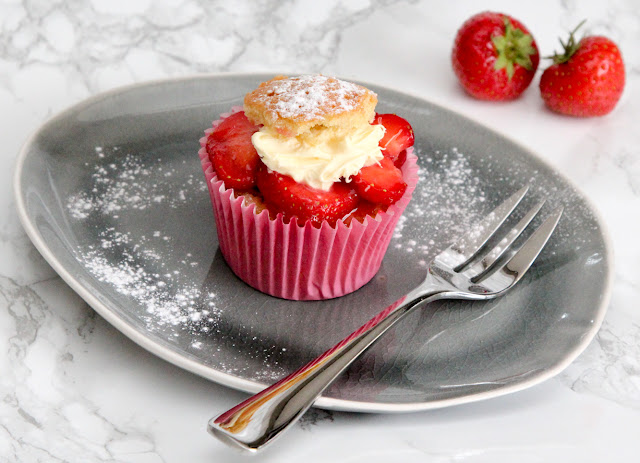
By following these tips on measuring and mixing, your cakes will have a consistently tender crumb and an even structure. For light, fluffy cupcakes, check out this cream tea cupcakes recipe that uses precise flour mixing techniques.
Recommended Flour Blends for Popular Cake Types
Choosing the right flour blend can make all the difference in your cake’s texture and rise. Here’s a quick guide to the best flour mixes for common cakes:
- Vanilla or White Cakes: Use pure cake flour or a homemade cake flour substitute for the softest, fluffiest crumb. This low-protein flour helps create that classic tender texture everyone loves.
- Chocolate Cakes: Start with all-purpose flour as a base, then add cornstarch to lower the protein content. This mix balances moisture and structure, giving you a rich but tender chocolate cake.
- Pound Cakes: These cakes do well with mostly all-purpose flour because they need more structure for their dense, buttery texture. Avoid too much cake flour here to keep them from becoming crumbly.
- Angel Food or Chiffon Cakes: Stick exclusively to cake flour. Its fine texture and low protein level help support the delicate egg-white structure essential for these light, airy cakes.
Using these blends lets you tailor your flour to the specific needs of each cake, ensuring perfect results every time. For more on tender cupcake recipes that pair well with cake flour, check out our cupcake collection.
Troubleshooting Common Cake Issues Related to Flour
If your cake turns out dense or gummy, it’s often due to too much gluten development. This happens when high-protein flours like bread flour are used, or when the flour blend isn’t right for a tender crumb. Switching to a lower-protein blend, like cake flour or a homemade cake flour substitute, can fix this and give you a softer, fluffier texture.
A dry crumb usually means the flour wasn’t properly aerated or sifted. Sifting flour before mixing helps distribute it evenly and adds air, resulting in a lighter cake. If you don’t have cake flour, using an all-purpose flour and cornstarch mix can also help maintain moisture and softness.
Uneven rise is often caused by inaccurate measuring of flour or old leavening agents. Always spoon and level your flour or better yet, weigh it to avoid packing. Also, check your baking powder or soda freshness to ensure consistent results. Adjusting your flour blends and measuring carefully will keep your cakes rising evenly every time.
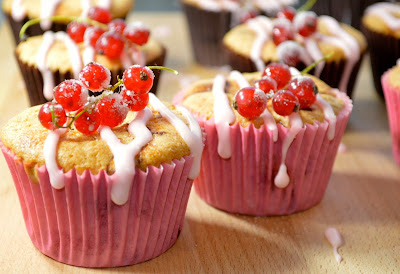
For more delicate cake recipes that emphasize fluffiness and tenderness, you might find tips in recipes like these hidden raspberry cupcakes that balance flour blends perfectly.