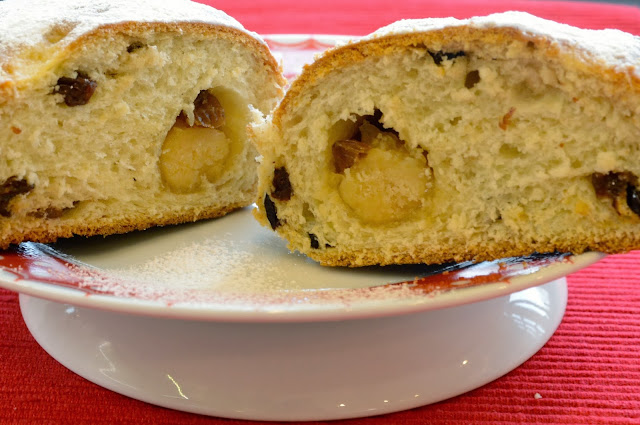
Thinking about tackling mini stollen this holiday season but feeling overwhelmed by the idea of a massive, traditional loaf? You’re not alone. I’ve been baking stollen for over twenty years, and early on, I tried to replicate my grandmother’s gargantuan loaves. They were impressive, sure, but also a pain to bake evenly, difficult to store, and often dried out before we could finish them. Mini stollen? That’s where the real magic happens for the home baker.
Why Mini Stollen Trumps the Traditional Loaf (Most of the Time)
Let me be blunt: for most home bakers, the mini version is superior in almost every way. I know the purists will shout about tradition, but tradition doesn’t always translate to practicality or better results in a modern kitchen. My first attempts at full-sized stollen were either underbaked in the middle or burnt on the edges. The minis, however, bake consistently, cool faster, and are far less intimidating to manage from dough to finished product.
Dough Handling & Baking Times: The Practical Perks
Working with a massive amount of rich, yeasted dough can be a real workout. A standard loaf can use upwards of 4-5 cups of flour, making it heavy and unwieldy. Mini stollen dough batches are smaller, more manageable, and easier to knead, even with a stand mixer. You can use a KitchenAid Artisan Series stand mixer without worrying about burning out the motor. Plus, the baking time for mini stollen drops dramatically. Instead of an hour or more for a large loaf, you’re looking at 20-30 minutes for the minis. This means less oven time, less energy consumption, and less risk of over-baking that precious, fruit-filled interior.
The consistent heat distribution in smaller pieces means every bite is perfectly cooked. No more cutting into a loaf only to find a slightly doughy center. It’s a win for texture and peace of mind.
Portion Control & Gifting: No Waste, All Charm
A big stollen loaf is a commitment. It’s meant for a crowd, or for slowly chipping away at over days, often leading to staleness. Mini stollen solves this problem beautifully. Each little loaf is a perfect single serving, or maybe two if you’re feeling generous. This means you can enjoy fresh stollen without feeling obligated to devour a whole mountain of it.
But the real ? Gifting. Forget trying to wrap an awkwardly shaped, heavy loaf. Mini stollen are ideal for holiday treat boxes, neighbor gifts, or hostess presents. Wrap them individually in cellophane, tie with a festive ribbon, and you’ve got a charming, thoughtful gift that people actually appreciate. They travel better, too, which is a huge bonus if you’re sharing them beyond your immediate household.
The Non-Negotiable Ingredients for Truly Great Mini Stollen
Listen, I’ve tried cutting corners with ingredients. Don’t do it. Stollen, especially mini stollen where every component shines, demands quality. This isn’t the place for the cheapest flour or dried-up fruit. You’ll taste the difference, and trust me, it’s not a good one. Investing in good ingredients pays off massively in flavor and texture.
Flour & Yeast: The Foundation
For flour, I always reach for a good quality unbleached all-purpose flour or a bread flour with a moderate protein content, around 11-12%. King Arthur Unbleached All-Purpose Flour has never let me down. It gives the dough enough structure without making it tough. Avoid bleached flours; they can impart a slightly off-flavor and often have less protein. For yeast, I’m a firm believer in instant yeast. It’s reliable, doesn’t require proofing, and gets the job done efficiently. Brands like SAF Red Label Instant Yeast are consistently excellent. Make sure your yeast isn’t expired; old yeast means flat stollen, and nobody wants that.
Butter, Marzipan, & Fruit: The Flavor Powerhouses
This is where your stollen truly develops its signature richness. You need high-fat butter, ideally an European-style butter with at least 82% butterfat. It creates a tender crumb and incredible flavor that regular American butter just can’t match. Brands like Kerrygold or Plugrá are fantastic. For marzipan, don’t buy the cheap stuff that’s mostly sugar. Look for marzipan with a high almond content, usually 50% or more. I prefer the rolls of pure marzipan that you can grate or knead directly into the dough or shape into logs for the center.
And the fruit? This is crucial. I use a mix of golden raisins, dried cranberries, and high-quality candied orange and lemon peel. I soak my fruit, without fail, in good quality dark rum or brandy for at least 24 hours, sometimes longer. This plumps them up, infuses them with flavor, and keeps them from drying out during baking. My rule of thumb: if you wouldn’t drink it, don’t bake with it. Don’t skimp on the rum; it’s a key part of stollen’s character.
Spices & Aromatics: The Unsung Heroes
A stollen without proper spice is just a sweet bread. We’re aiming for something far more complex. Freshly ground nutmeg and green cardamom pods (which I grind myself) are absolutely essential. The difference between pre-ground spices and freshly ground is night and day. A little vanilla bean paste or a high-quality vanilla extract (not imitation) also elevates the flavor profile. Sometimes I’ll add a pinch of ground cinnamon, but sparingly. The cardamom and nutmeg should be the stars, giving that warm, characteristic holiday aroma.
My Tried-and-True Method for Flawless Mini Stollen Every Time
- Activate the Yeast & Prep Your Dough: In the bowl of your stand mixer, combine 1 cup (240ml) warm milk (around 105-115°F or 40-46°C), 2 tablespoons granulated sugar, and 2¼ teaspoons (one packet) instant yeast. Let it sit for 5 minutes until foamy. Add 4 cups (480g) of good quality unbleached all-purpose flour, ½ cup (100g) granulated sugar, 1 teaspoon salt, and 1 teaspoon freshly ground cardamom. Mix with the dough hook on low speed until a shaggy dough forms.
- Incorporate the Butter & Knead: Add 6 ounces (170g) softened European-style butter, cut into cubes, one at a time, allowing each cube to be absorbed before adding the next. Increase speed to medium-low and knead for 8-10 minutes, or until the dough is smooth, elastic, and pulls away from the sides of the bowl. It should be soft but not overly sticky.
- Fold in Fruit & Marzipan: Drain your soaked fruit well. Reduce mixer speed to low and gradually add 1 cup (150g) mixed soaked fruit (raisins, cranberries, candied peel) and ½ cup (50g) chopped blanched almonds. Mix just until evenly distributed. If using a marzipan core, skip adding marzipan to the dough. If not, grate in 4 ounces (113g) cold marzipan and mix briefly.
- First Rise: Transfer the dough to a lightly oiled bowl, turning to coat. Cover with plastic wrap and let rise in a warm place for 1.5 to 2 hours, or until doubled in size. This can be near a sunny window or in a slightly warm (but off!) oven.
- Shape the Minis: Gently punch down the risen dough. Divide it into 12 equal pieces, about 90-100g each. Roll each piece into an oval, roughly 4-5 inches long. If you’re using marzipan logs, roll 4 ounces (113g) marzipan into 12 small logs, about 3 inches long. Place one marzipan log down the center of each dough oval. Fold one side of the dough over the marzipan, then fold the other side to slightly overlap, creating the classic stollen hump. Press gently to seal. Arrange the shaped minis on baking sheets lined with parchment paper, leaving about 2 inches between them.
- Second Rise & Bake: Cover the shaped minis loosely with plastic wrap and let them rise for another 30-45 minutes, or until visibly puffy. Preheat your oven to 375°F (190°C). Bake for 20-25 minutes, rotating the trays halfway through, until golden brown and cooked through. An instant-read thermometer should register around 200-205°F (93-96°C) in the center.
Common Mini Stollen Fails and How I Fixed Them
We all make mistakes in the kitchen, especially with something as nuanced as yeasted dough. I’ve certainly had my share of stollen disasters over the years. But the beauty of baking is learning from those missteps. Here are a few common problems I’ve encountered with mini stollen and my practical solutions.
Why is my dough so stiff and hard to work with?
This is usually an issue of too much flour, or your liquids being too cold. When measuring flour, always weigh it if possible (1 cup AP flour is typically 120g). If you’re scooping straight from the bag, you’re likely compacting it and adding too much. My advice: start with a little less flour than the recipe calls for, then add more by the tablespoon until the dough comes together. It should be soft and slightly tacky, not dry and stiff. Also, make sure your milk is truly warm, not hot (which kills yeast) or cold (which slows it down too much).
My stollen came out dry and crumbly. What went wrong?
Dry stollen is almost always due to over-baking. Those minis bake fast! Keep a close eye on them, especially after the 18-minute mark. Use an oven thermometer to ensure your oven temperature is accurate. If your stollen looks deeply golden and feels very firm, it’s probably done. Another culprit can be not enough fat in the dough, which is why I insist on high-fat European butter. It contributes significantly to a tender, moist crumb. Ensure your fruit is properly rehydrated with rum, too; dry fruit can suck moisture from the dough.
The marzipan sunk or leaked out. How do I fix that?
This is a common complaint! The sinking usually happens if the marzipan isn’t well-chilled, or if the dough isn’t shaped tightly enough around it. My trick: pop your marzipan log into the freezer for 10-15 minutes before shaping. This firms it up considerably. When you shape the dough around it, make sure you pinch the seams securely along the bottom and sides. Don’t leave any gaps. If your dough is too warm, the marzipan will soften too quickly, so keep the dough cool enough to handle easily, but not so cold it inhibits rising.
The Final Flourish: Butter Baths vs. Sugar Snows
The finishing touches on mini stollen are just as important as the baking itself. This is where you lock in moisture and create that iconic snowy appearance. I’ve experimented with several methods, and each has its pros and cons. My preference leans heavily towards a double treatment, but here’s the breakdown:
| Finishing Method | Pros | Cons | My Verdict |
|---|---|---|---|
| Plain Powdered Sugar Dust | Simple, quick, classic look. Less messy. | Sugar absorbs moisture, can disappear quickly, less flavor protection. | Fine for immediate consumption, but won’t keep well. |
| Melted Butter Soaking & Powdered Sugar | Locks in moisture, creates a rich crust, enhances flavor, sugar adheres better for longer. | More labor-intensive, can be messy, slightly greasy if overdone. | This is the way. Superior flavor and shelf life. |
| Butter Soaking, Granulated Sugar, then Powdered Sugar | Creates a crisp sugar shell underneath the powdered sugar, excellent texture contrast, maximum moisture lock. | Most labor-intensive, very sweet, can be too much for some. | For serious stollen lovers. My personal favorite for gifting. |
My clear preference? The double treatment. As soon as the mini stollen come out of the oven, brush them generously with melted unsalted butter (I use about 4-6 tablespoons for 12 minis). Let that butter soak in for a few minutes. While they’re still warm, roll them in granulated sugar. The warmth helps the sugar melt slightly and adhere, forming a protective, flavorful crust. Once completely cool, then you finish with a generous dusting of powdered sugar. This ensures that iconic snowy look lasts, and the stollen stays wonderfully moist for days. Trust me, it’s worth the extra step.