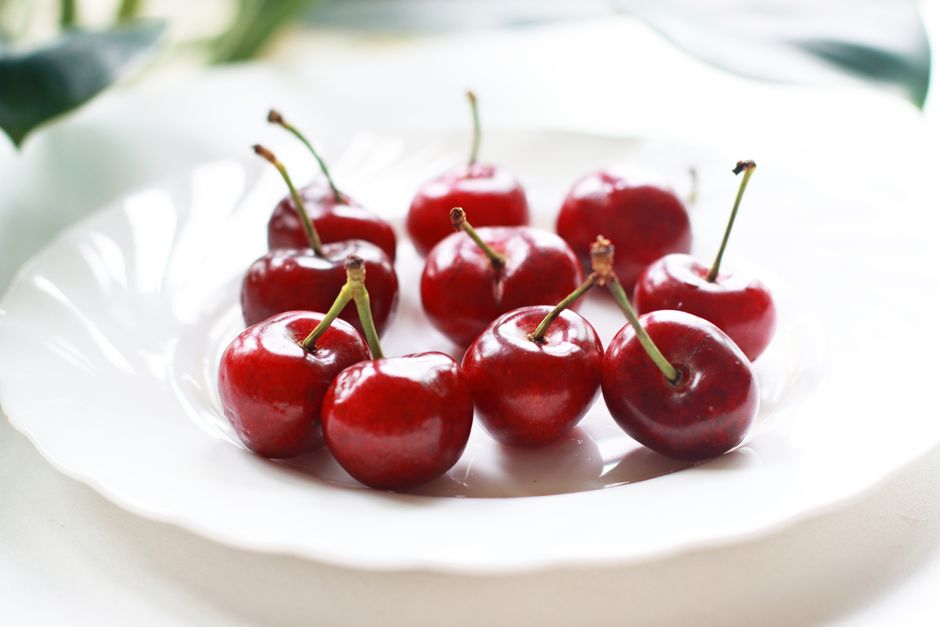
You buy a basket of glossy June cherries, mix a quick batter, and expect a golden French dessert. Instead, the centre comes out thin, the fruit releases a puddle, or the edges set long before the middle. Cherry clafoutis is forgiving when you control moisture, temperature, and the size of the baking dish.
Why does cherry clafoutis turn watery?
The central problem is not a lack of baking skill. Clafoutis sits between a pancake, a baked custard, and a fruit tart, so it needs enough heat to set the eggs without drying the outside. Cherries add another variable: their juice enters the batter as the fruit heats. A recipe that works with firm, small cherries may need a small adjustment when the fruit is very ripe and soft.
How the batter sets
Eggs provide the main structure. Flour gives the custard enough body to hold the fruit, while milk keeps the interior tender. Sugar pulls water from the cherries and helps the surface brown. If the batter contains too much liquid for the amount of egg and flour, the middle stays loose even after the top looks finished.
The best texture is soft and creamy but sliceable. It should not wobble like raw cream when you move the pan. A slight tremble in the centre is normal because the custard continues to firm as it cools.
Which mistake creates the biggest risk?
The most common failure is using a deep dish. A deep layer of batter takes longer to set, so the outside becomes rubbery while the centre remains wet. A shallow 23 cm or 10-inch baking dish gives the custard more even exposure to heat.
The clear verdict is simple: for a dependable clafoutis, control the depth of the batter before changing the recipe. Pan geometry has more influence than an extra five minutes in the oven.
How should you prepare fresh cherries for clafoutis?
June cherries need very little treatment, but they do need inspection. Choose fruit that feels firm, has smooth skin, and carries a fresh green stem when stems are still attached. Very soft cherries can work, yet they release more juice and need especially careful drying.
Fresh, frozen, or canned cherries?
- Fresh cherries: The strongest choice for a June clafoutis because they keep their shape and give the bake a clean fruit flavour.
- Frozen cherries: A useful substitute outside the season, but thaw them completely and drain them well before adding them to the batter.
- Canned cherries: The weakest option for this dessert because syrup adds extra sugar and liquid; drain them, rinse them lightly, and pat them dry if they are the only fruit available.
- Sour cherries: Excellent when you like a sharper dessert, but add a little extra sugar if the fruit tastes intensely tart.
Should you pit the cherries?
For a family dessert, pit the cherries. Whole cherries retain a traditional French character, but the stones make every serving a safety problem and can hide in a soft custard. A handheld cherry pitter is the fastest tool, though the flat side of a chef’s knife also works. Split each cherry only as much as needed to remove the pit so the fruit does not lose all of its juice before baking.
After pitting, spread the cherries on a clean towel and press another towel gently over them. Do not crush the fruit. The goal is to remove surface water, not the cherry’s natural flavour.
How many cherries belong in one pan?
That amount covers the base of a 23 cm or 10-inch dish without creating a dense fruit layer. If the cherries sit in two thick layers, the batter has too much juice to manage and the centre will take longer to set.
Arrange the cherries in one fairly even layer. A few gaps are useful because batter must flow around the fruit and cook from the bottom as well as the sides.
Which fruit substitutions work when cherries are unavailable?
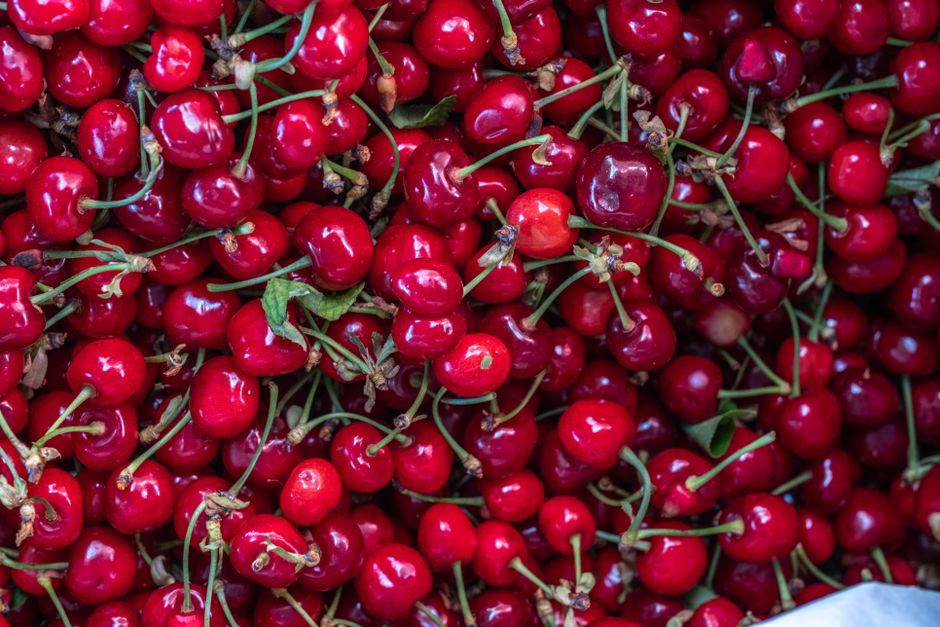
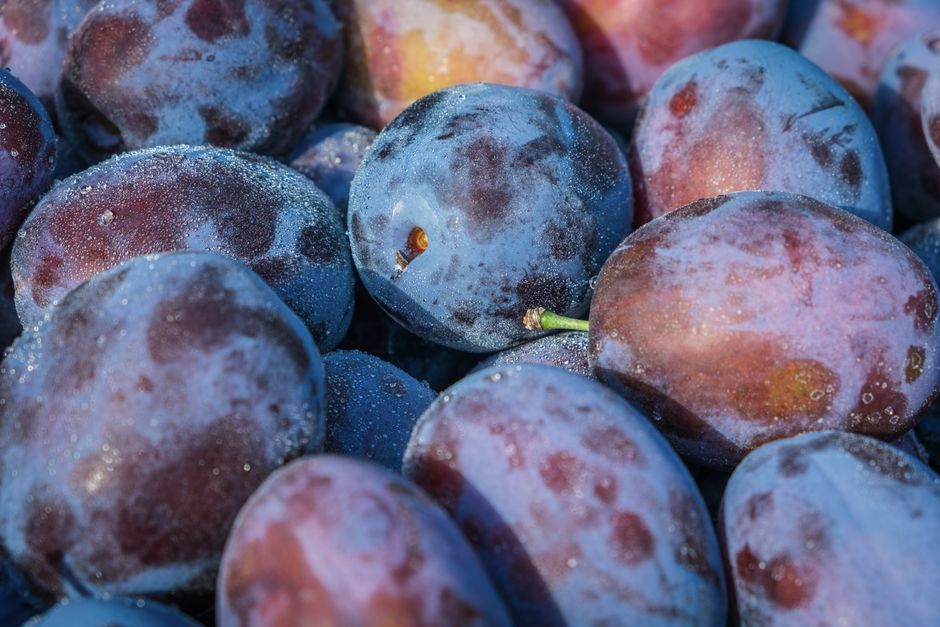
Use plums for a richer, softer bake
Plums are the best substitute when you want a deeper, jammy flavour. Their flesh softens more quickly than cherries, so keep the pieces on top of the batter instead of pressing them down. The finished dessert will taste less bright and may need an extra five minutes to set.
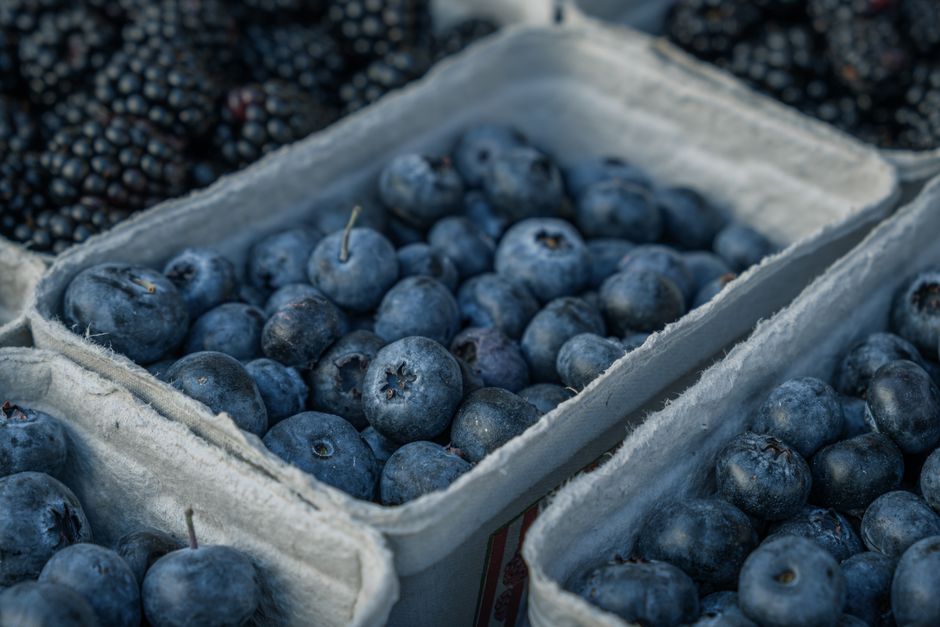
Choose berries for a lighter, sharper result
Raspberries and blackberries give clafoutis a more delicate texture, but their seeds and juice make the centre softer. Do not thaw frozen berries before baking; thawed berries release too much water into the custard. This is the right choice for a tart, quick-cooking dessert, not for the firmest slices.
For a clear decision, use cherries when you want the classic June version, plums when you want a softer and darker fruit flavour, and berries when you value brightness over clean slices. Apples are the least convincing swap because they need longer cooking and can remain firm while the custard is ready.
How do you bake cherry clafoutis with a set centre?
The batter looks simple, but small details decide the final texture. The result is tender, lightly sweet, and firm enough to serve with a spoon or cut into wedges after cooling.
The exact preparation sequence
- Butter a shallow 23 cm or 10-inch baking dish. Add the dried cherries in one even layer.
- Whisk the eggs, sugar, salt, and vanilla until the sugar begins to dissolve. Do not whip the mixture into a thick foam.
- Add the flour and whisk until no dry pockets remain. Pour in the milk gradually, then mix in the melted butter.
- Pour the batter over the cherries. Let the dish stand for 5 minutes so large bubbles can rise.
- Bake for 35 to 45 minutes. The edges should be golden, and the centre should move slightly when the dish is nudged.
- Cool for at least 20 minutes before serving. The custard tightens as it loses heat.
Does the brand of pantry ingredient matter?
Brand choice matters less than measurements, but familiar products can make shopping easier. These are examples, not required purchases.
Do not replace whole milk with water. Lower-fat milk can work, but the custard will be less rich. If you use plant milk, choose an unsweetened version and expect a slightly thinner texture. The main warning is to avoid adding extra flour to fix a wet-looking batter before baking; too much flour makes the edges heavy while the fruit still releases its juice.
How can you tell when it is done?
Use three checks together. The rim should be browned, the surface should look set rather than glossy, and the centre should tremble as one piece instead of sloshing. A higher reading can produce a dry, eggy texture, so remove the clafoutis when the centre is nearly set and let carryover heat finish the job.
The strongest method is the shallow pan, moderate oven, and cooling period. Increasing the oven temperature to rush the bake creates a false win: a dark top with a wet middle.
Cherry clafoutis troubleshooting: what should you change?
Why did my clafoutis sink?
A slight drop is normal. The hot custard expands in the oven, then settles as steam escapes. A dramatic collapse usually comes from over-whipping the eggs, opening the oven repeatedly, or removing the dessert while the centre is still liquid. Mix until smooth rather than foamy, keep the door closed for the first 30 minutes, and judge doneness by the centre movement rather than height.
Why is the bottom soggy?
Raw fruit moisture collects at the base when cherries are wet or packed too tightly. Pat the cherries dry, keep them in one layer, and avoid adding fruit straight from a rinse. A glass or ceramic dish can also bake more slowly than a metal pan, so allow a few extra minutes while watching the centre. Do not place the dish on a cold, wet tray, since that slows heat reaching the bottom.
Can you make it ahead?
Yes. Bake it up to one day ahead, cool it fully, cover it, and refrigerate it. The texture becomes firmer and easier to cut, although the top loses some crispness. The dessert is best within two days because the cherries continue to release juice.
When should you skip clafoutis?
Skip it when you need a crisp pastry shell, a dairy-free dessert with no substitutions, or neat slices that can sit outdoors for hours. A cherry galette gives you a firmer crust, and a fruit crisp handles very juicy cherries with less risk. Choose clafoutis when the priority is a warm, spoonable dessert that uses one dish and a short ingredient list.
Which cherry dessert is the right choice for June?
Cherry clafoutis wins when you want the lowest-effort French fruit bake with a creamy centre and browned edges. It is not the right choice for every serving situation. The comparison below separates texture, work, and failure risk so the decision is clear.
Best choice by occasion
For a relaxed family dinner, choose clafoutis. It needs no pastry, no blind baking, and no special decoration. For a picnic or buffet, choose a galette or crisp because both hold their structure better after cooling. For a dessert that must look polished in individual portions, use small ramekins, reduce the bake time, and check each one early.
Final kitchen verdict
For fresh June cherries, cherry clafoutis is the best choice when you want a warm dessert in under an hour and can accept a soft custard texture. Dry the fruit, use a shallow pan, and wait before serving. Those three decisions prevent most failures.
| Dessert | Texture | Active work | Best use | Main risk |
|---|---|---|---|---|
| Cherry clafoutis | Soft custard with browned edges | 15 to 20 minutes | Warm family dessert | Watery centre from wet fruit or a deep dish |
| Cherry galette | Flaky crust with jammy fruit | 30 to 40 minutes | Picnic or attractive table dessert | Leaking fruit juice or underbaked pastry |
| Cherry crisp | Soft fruit with a crunchy topping | 15 to 25 minutes | Casual serving and leftovers | Soggy topping if covered while hot |
| Cherry tart | Firm pastry and clean slices | 45 to 60 minutes | Formal presentation | Shrunken pastry or a cracked filling |