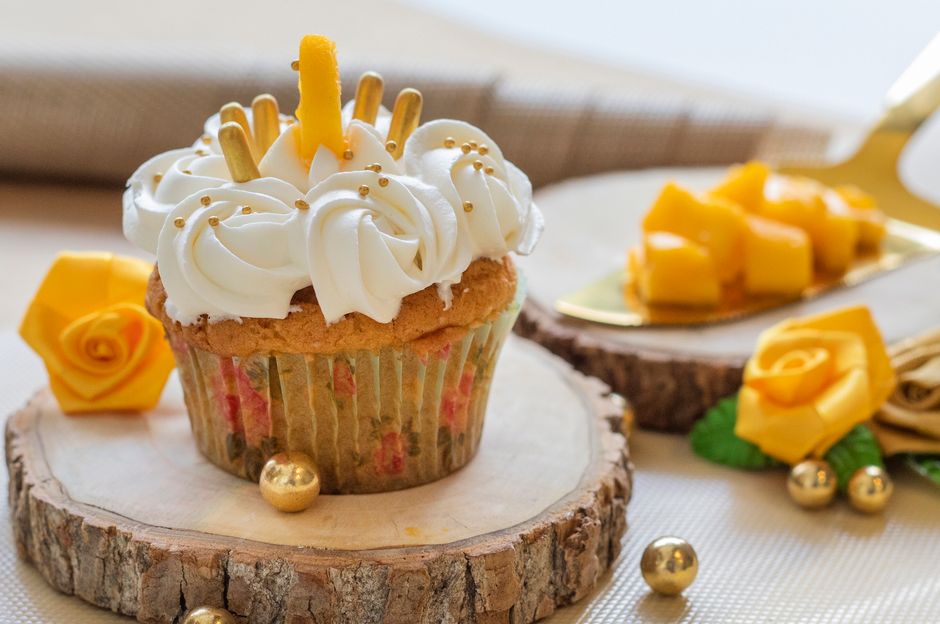
You know the batch: the tops look golden, the kitchen smells like ginger, and the first cupcake seems perfect. Then you bite into it and find a damp pocket around the pear. I have made that mistake often enough to know the real problem is rarely the oven. It is usually pear moisture, uneven fruit pieces, or frosting that never cooled properly.
My reliable version uses firm-ripe pears, finely grated fresh ginger, a light hand with the flour, and brown butter cooled until it feels soft rather than liquid. The result is a cupcake with a tender crumb, small pear pieces in every bite, and a frosting that tastes nutty instead of simply sweet.
Why Pear and Ginger Cupcakes Go Soggy
The pear problem is mostly water
Pears release more liquid than many bakers expect. That liquid moves into the surrounding batter as the cupcakes bake, especially when the fruit is soft, cut into large chunks, or packed into the measuring cup. The center then takes longer to set while the edges continue browning.
Use two medium firm-ripe pears, about 300 g prepared weight. Bartlett pears bring a floral flavor but soften quickly. Anjou pears hold their shape better and give you a cleaner crumb. Peel them, remove the core, and cut them into pieces no larger than 6 mm. Pat the pieces dry before folding them into the batter.
Ginger needs heat and restraint
Ground ginger gives a warm background note, but fresh ginger brings the sharp, citrusy bite that makes pear taste brighter. I use 15 g finely grated fresh ginger plus 1 teaspoon ground ginger for 12 cupcakes. More fresh ginger can make the batter taste harsh, while less gets lost under the brown butter.
The basic balance is simple: keep the pear pieces small, keep the batter fairly thick, and stop mixing as soon as the flour disappears. A thick batter holds fruit in place. An overmixed batter turns chewy and pushes the fruit toward the bottom.
My verdict: if your cupcakes have wet centers, fix the pear preparation before changing the oven temperature. Fruit moisture is the first suspect.
How to Choose Pears for a Clean, Spiced Crumb
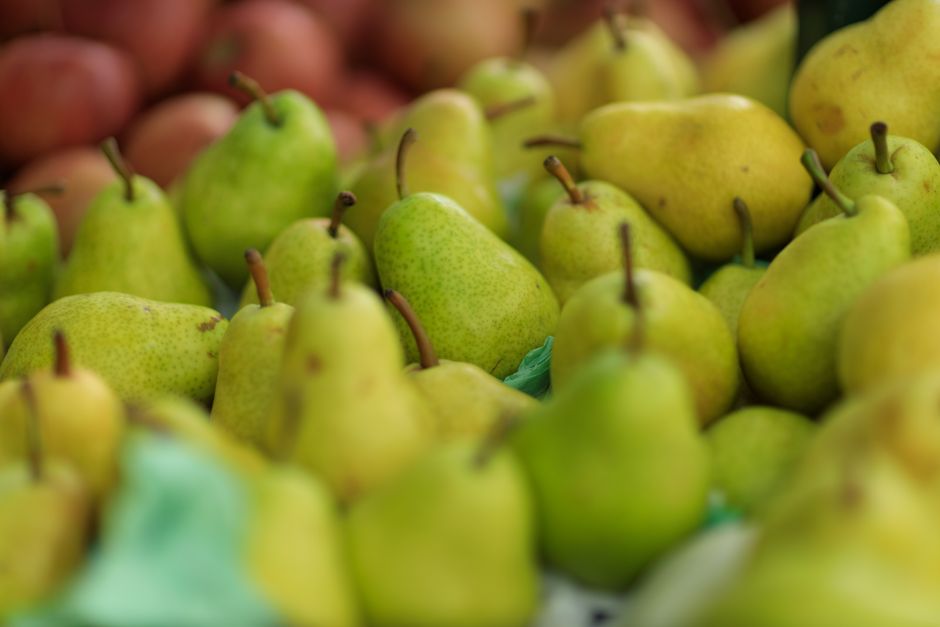
Choose pears by touch, not color. A pear can look beautiful and still be too soft for cupcake batter. Press gently near the stem. It should give slightly, then spring back. If your finger sinks into the flesh, save that pear for sauce or smoothies.
Use the right ripeness for the job
| Pear condition | What happens in cupcakes | Best action |
|---|---|---|
| Firm with no aroma | Holds shape but tastes bland | Leave at room temperature for 1 to 2 days |
| Firm-ripe with slight stem give | Sweet pieces with controlled moisture | Use immediately |
| Soft or bruised | Collapses and creates wet pockets | Use for pear sauce instead |
| Very small pieces from a soft pear | Disappears into the batter | Do not use as a rescue method |
Match the variety to the texture
Anjou is my first choice for pear and ginger cupcakes because it stays recognizable after baking. Bosc pears are even firmer and work well when you want distinct fruit pieces, though their texture can feel slightly grainier. Bartlett pears taste excellent but need more care. Use them only when they are firm-ripe, and cut them smaller than you would cut Anjou or Bosc.
Do not grate the pear. Grated pear spreads moisture through the whole batter and makes the crumb heavy. Do not toss the pieces in a thick layer of flour either. That creates gummy spots around the fruit. A dry paper towel and a quick fold through the batter are enough.
For a stronger ginger flavor, keep the pear quantity at 300 g and increase the ginger. Do not increase both fruit and spice at the same time. That turns a balanced cupcake into a wet fruit cake with a sharp finish.
The clear choice: use Anjou pears when you want the safest texture and the most even bake. Buy Bartlett only when you can use them the same day.
How to Bake Pear and Ginger Cupcakes Without a Wet Center
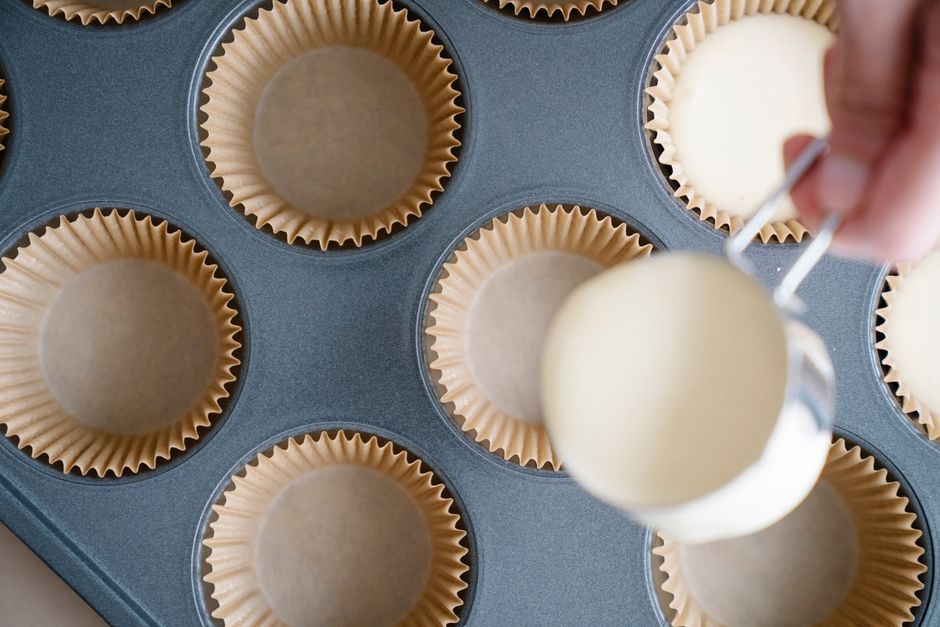
The best baking change is simple: measure the batter and control the fruit. I portion 55 to 60 g into each paper liner, fill the pan evenly, and bake until the center springs back. Guessing creates a mixed batch where some cakes dry out before the largest ones finish.
Follow this order
- Heat the oven to 175°C conventional or 165°C fan. Let it preheat for at least 20 minutes.
- Whisk flour, baking powder, baking soda, salt, ground ginger, and cinnamon in one bowl.
- Beat softened butter and brown sugar for 3 minutes, until lighter in color.
- Add eggs one at a time, then mix in vanilla and fresh ginger.
- Fold in the dry ingredients in two additions with sour cream or buttermilk.
- Fold in the dried pear pieces with no more than 10 strokes.
- Divide the batter into 12 liners, keeping each portion close to 58 g.
- Bake for 20 to 24 minutes, rotating the pan once after 14 minutes.
Read the bake, not only the timer
A finished cupcake should have a domed top that springs back when pressed lightly. A wooden pick may hit a piece of pear and come out damp, so test in two places. The crumb should show moist crumbs, not shiny batter. If you use an instant-read thermometer, aim for roughly 96°C in the cake portion, avoiding the pear.
Do not open the oven during the first 15 minutes. The temperature drop can make the centers sink. Do not leave the cupcakes in the hot pan for more than 5 minutes after baking, because the metal continues cooking the edges while trapped steam softens the bottoms.
Cool the cupcakes completely before frosting. Warm cake melts brown butter frosting and makes the surface slide. For the cleanest result, bake the cupcakes in the morning, chill them uncovered for 30 minutes, then frost once the crumb feels firm.
Is Brown Butter Frosting Worth the Extra Step?
Why does brown butter suit pear and ginger?
Yes. Brown butter adds toasted milk solids that connect the caramel notes in the brown sugar with the floral sweetness of the pear. It also gives the frosting enough character that you can use less sugar. The key is to brown the butter gently, then cool it until opaque and soft.
Melt 170 g unsalted butter over medium heat. Stir as the foam settles and watch for amber flecks at the bottom. Remove the pan when the butter smells nutty and the flecks are medium brown, usually after 5 to 7 minutes. Pour it into a wide bowl immediately. The hot pan can push the milk solids from browned to burnt in less than a minute.
How do you keep the frosting firm?
Cool the browned butter for 25 to 35 minutes, stirring every few minutes, until it has the texture of soft butter. Beat it with 240 g icing sugar, 1 tablespoon milk, 1 teaspoon vanilla, and a pinch of salt. If the frosting looks loose, chill it for 10 minutes before piping. If it looks crumbly, add milk one teaspoon at a time.
I prefer a modest swirl rather than a tall bakery tower. The cupcake already has pear, ginger, and brown butter competing for attention. A 25 g portion of frosting per cupcake gives enough richness without burying the fruit.
My frosting verdict: brown the butter when the cupcakes are for adults or a dinner party; use a plain vanilla buttercream when children want a sweeter, milder finish. Brown butter is better here, but it is not automatically better for every audience.
My 2026 Shopping List and Batch Verdict
Buy the pan and thermometer first; skip the stand mixer unless you bake often. Pear and ginger cupcakes do not need expensive equipment, but two tools make the results more repeatable: a light aluminum pan and a thermometer that shows the real center temperature.
The tools I would buy
- Nordic Ware Naturals 12 Cavity Muffin Pan: about $22.50, with a light aluminum body that promotes even browning. This is my top pick for most home bakers. The nonstick version costs about $30, but I prefer the standard pan with paper liners because it is easier to inspect and maintain.
- ThermoWorks Thermapen ONE: about $109 at its regular price, with readings in 1 second or less and stated accuracy around ±0.5°F. It is expensive for cupcakes, but useful for bread, custards, caramel, and meat too. Buy it if underbaked centers keep ruining your batches.
- Cuisinart Precision Master 5.5-Quart Stand Mixer: about $319.95, with a 500-watt motor and 12 speeds. It creams butter quickly, but it is not necessary for this recipe. A hand mixer handles the batter and frosting with less storage trouble.
- King Arthur All-Purpose Flour: sold in 5-pound bags and labeled at 120 g per cup. I like it when I want a predictable crumb. Weigh 240 g for a typical 12-cup batch instead of scooping flour directly from the bag.
When not to buy anything
Do not buy a stand mixer for one seasonal cupcake recipe. Use the mixer you already own and spend the money on good pears, fresh ginger, and unsalted butter. Do not buy a specialty pear corer either; a small knife removes the core faster and gives you better control over the final dice.
For a first batch, the most useful setup is a standard 12-cup pan, paper liners, a kitchen scale, and a cooling rack. That combination solves the real problems: uneven portions, excessive flour, trapped steam, and frosting added too soon.
My final pick is the Nordic Ware aluminum pan paired with careful pear prep and a kitchen scale. The equipment will not rescue a soft pear or overmixed batter, but it will give the recipe a fair chance. As pear baking moves into more home kitchens, the winning recipes will keep leaning on the same idea: less decoration, better control of moisture, and fruit that still tastes like fruit after the oven does its work.