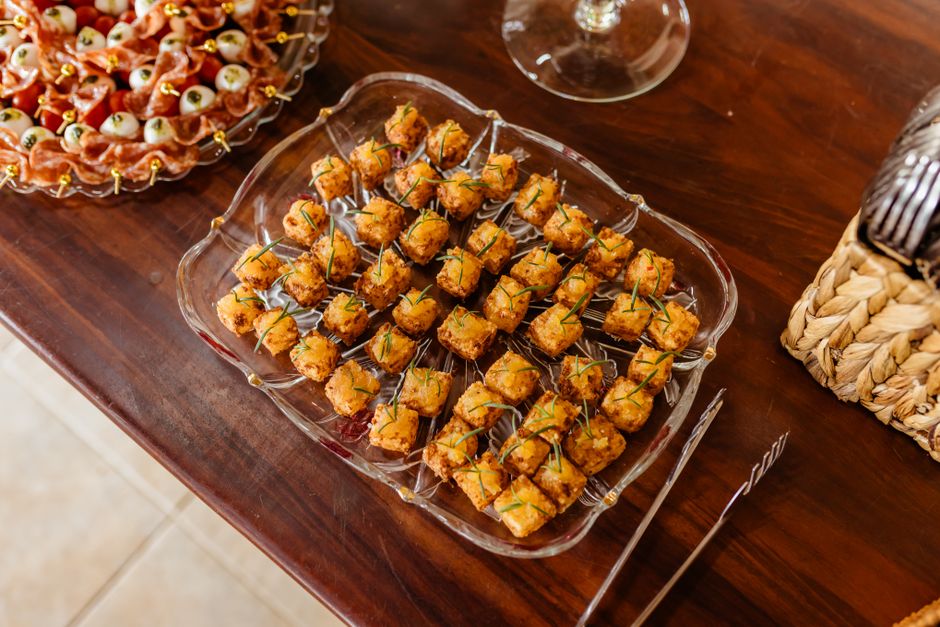
The most reliable plan is simple: serve one crisp bite, one warm bite, and one chilled bite, with each component prepared on a different schedule. For six guests, make 24 pieces rather than a crowded buffet. That gives everyone four bites, keeps the oven manageable, and leaves room for a small dessert or fruit plate.
Which Make-Ahead Appetizers Hold Their Texture?
Start with structure, not decoration
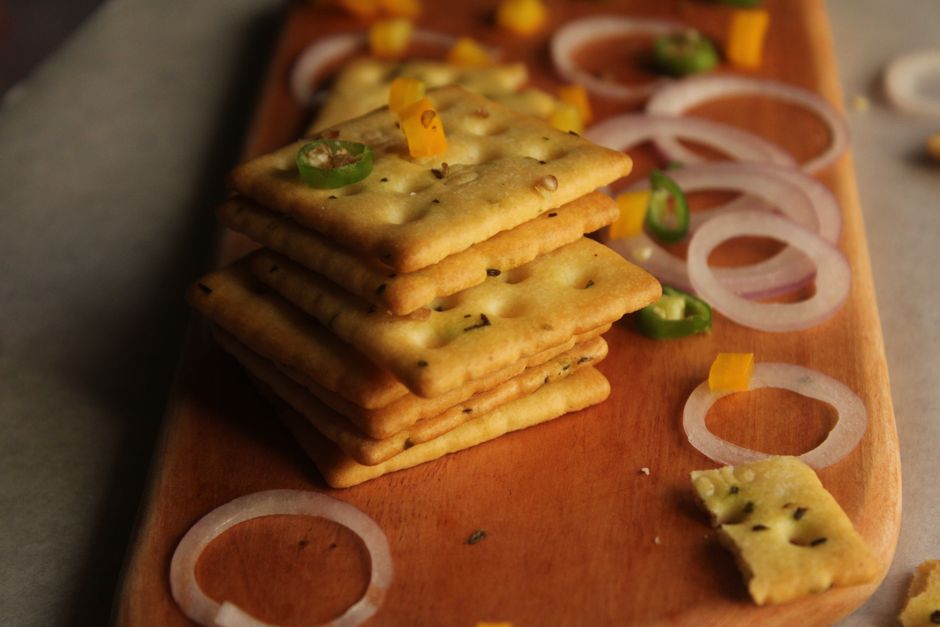
Good party bites survive time. They do not collapse after an hour in the refrigerator or turn greasy after reheating. The strongest choices use a firm shell, a low-moisture filling, or a topping added just before serving. Pepperidge Farm Puff Pastry Sheets, for example, create a layered shell that can hold a thick cheese or mushroom filling when baked until deeply golden. Mission corn tortillas work better for small baked cups because their dense texture resists softening. Ritz Original Crackers are useful for last-minute toppings, but they should not carry wet ingredients for several hours.
The practical test is the same one a careful consumer uses for any purchase: identify the exact limit before choosing the format. A bite that tastes good straight from the oven may be a poor choice for a party where guests arrive 45 minutes late.
A holding-time comparison
| Bite format | Prep window | Best serving temperature | Main exclusion |
|---|---|---|---|
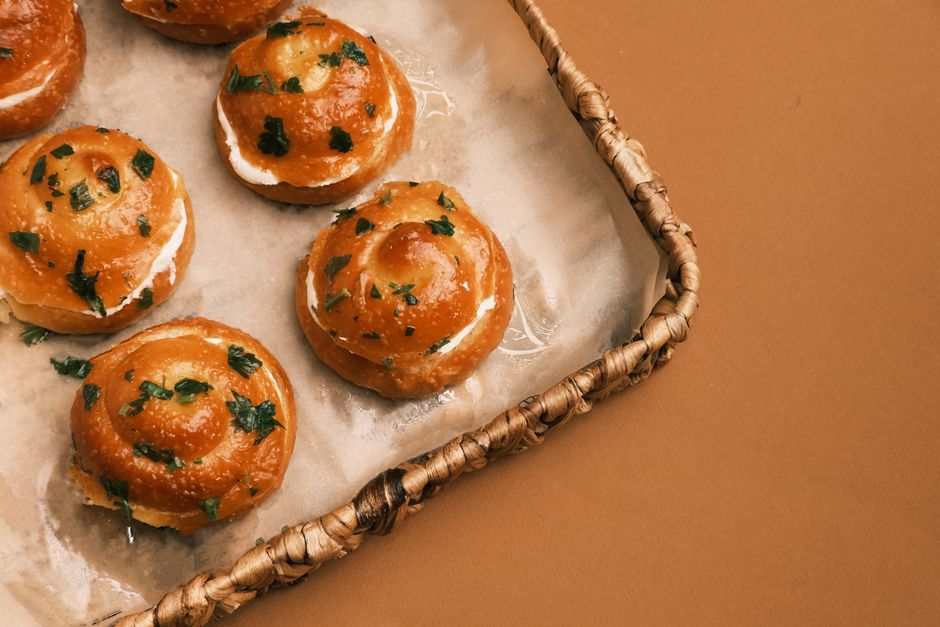
| Puff pastry shell | Assemble up to 12 hours ahead; bake 18 to 22 minutes at 375°F | Warm, within 45 minutes | Do not cover while hot; trapped steam softens the layers |
| Baked corn tortilla cup | Bake up to 24 hours ahead; fill shortly before serving | Room temperature or warm | Do not fill early with salsa, tomatoes, or watery beans |
| Cracker bite | Prepare toppings 24 hours ahead; assemble within 30 minutes | Room temperature | Do not refrigerate assembled crackers |
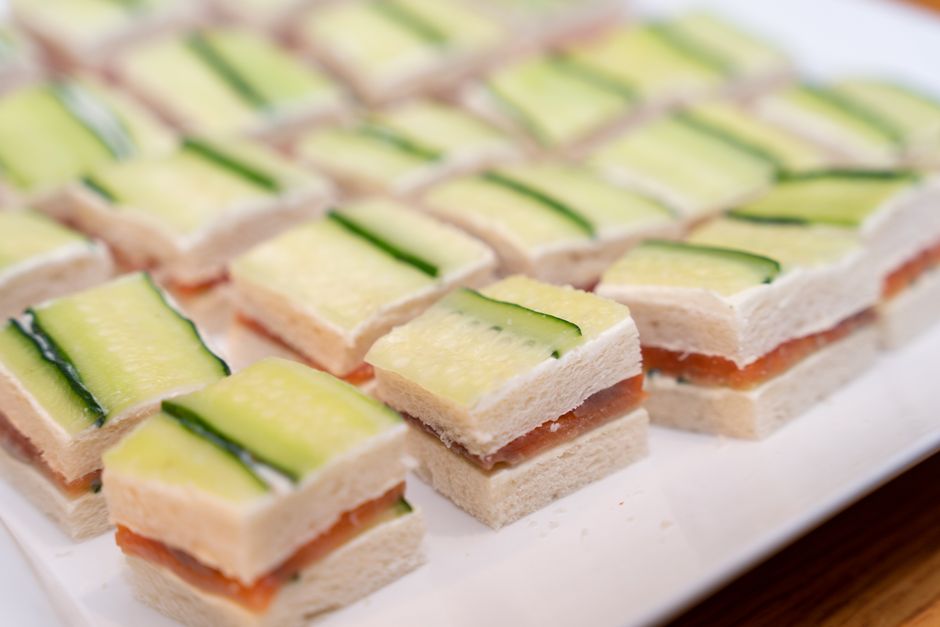
| Chilled cucumber or endive bite | Prepare 4 to 6 hours ahead | Cold | Do not salt vegetables early; they release water |
For a small gathering, the clear winner is a mixed tray built around puff pastry and one chilled bite. That combination gives you a dependable warm centerpiece without forcing every appetizer through the oven at the same time.
How to Schedule Appetizer Prep Without Last-Minute Stress
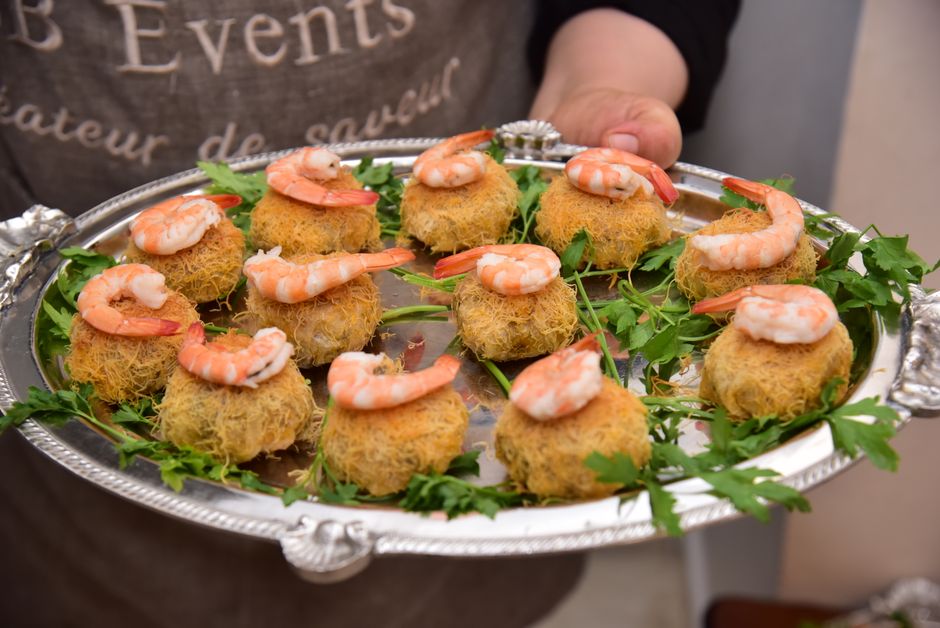
A three-stage prep plan
- The day before: make spreads, cook meat or vegetables, grate cheese, and portion every filling. Cool cooked ingredients fully before sealing them. Warm filling trapped inside a container creates condensation and weakens pastry.
- Four to six hours before guests arrive: wash and dry vegetables, cut firm garnishes, form pastry shells, and set out the serving plates. Keep fragile herbs and crisp toppings separate.
- One hour before arrival: bake the warm bites, fill chilled pieces, and move only the food that belongs at room temperature. Keep the rest covered in the refrigerator.
- Thirty minutes before arrival: add crunchy toppings, taste one piece from each batch, and adjust salt only after the food reaches its serving temperature.
- During the gathering: put out half of each category first. Refill in small batches so warm food stays warm and crisp food stays crisp.
The six-guest coverage plan
Use three recipes with eight pieces each. Eight warm pastry bites cover the first wave. Eight chilled bites provide a fresh contrast. Eight crisp cups or crackers give guests something easy to pick up while you finish the main meal. This layout also limits waste: a full tray of 30 identical appetizers can leave you with leftovers nobody wants once the texture fades.
Food safety sets the hard boundary. Keep cold food at 40°F or below, and refrigerate perishable appetizers after two hours at room temperature. If the room is above 90°F, use a one-hour limit. The safest schedule is also the easiest: make the parts early, assemble delicate bites late, and refill rather than overloading the table.
How to Choose Fillings That Stay Crisp and Flavorful
Choose dense fillings with controlled moisture
The filling decides whether a make-ahead bite succeeds. Soft cheese, roasted vegetables, cooked sausage, shredded chicken, and thick bean purées usually hold well. Watery tomatoes, loose salsa, uncooked mushrooms, and thin cream sauces create trouble because they continue releasing moisture after assembly.
Boursin Garlic & Fine Herbs is a practical example of a spread that needs little preparation, but it still works best inside a dry shell with a small amount of garnish. For a firmer filling, combine 4 ounces of soft cheese with 2 ounces of grated Parmesan and 1 cup of finely chopped, well-drained spinach. The Parmesan adds structure, while the spinach contributes flavor without flooding the pastry.
Tillamook Extra Sharp Cheddar gives a stronger result than mild cheese in a small bite because its flavor remains noticeable after chilling. Use about 1 tablespoon of filling for a 2-inch pastry shell. More than that increases the chance of overflow and leaves the center underbaked.
Match reheating to the shell
Reheat puff pastry at 350°F for 5 to 8 minutes on a metal sheet pan. Avoid the microwave; it heats the filling quickly but turns the crust rubbery. Baked tortilla cups need only 3 to 5 minutes at 325°F if they were stored empty. Crackers should not be reheated at all. Their best protection is late assembly.
Cooked fillings should reach 165°F when reheated, but do not chase that temperature repeatedly. Every extra heating cycle drives out moisture and toughens meat. Reheat one batch once, serve it, and keep the second batch chilled until needed. For a small gathering, that split-batch approach beats making every piece perfect at the same time.
My strongest recommendation is to use one rich filling, one vegetable-based filling, and one bright chilled option. That gives the table contrast without forcing the host to manage three separate cooking emergencies.
What Usually Goes Wrong With Make-Ahead Party Bites?
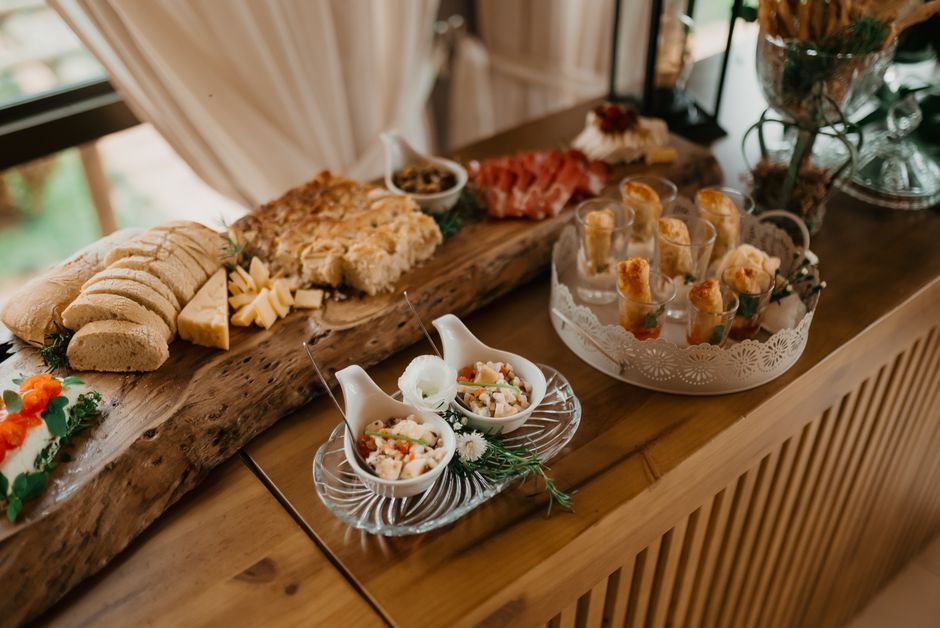
Why did the pastry turn soft?
Steam is usually responsible. A hot tray covered with foil traps moisture against the crust. Let baked bites cool uncovered for 10 minutes, then move them to a rack. If they must be held, use a loose tent rather than a sealed container. Reheat briefly before serving instead of sealing hot pastry and hoping it will stay crisp.
Can every appetizer be assembled the night before?
No. Assemble dry-shell bites early, but delay anything that combines a crisp base with a wet ingredient. Keep cucumber, tomato, salsa, fruit, and dressed greens apart from crackers or pastry. Salt vegetables close to serving because salt pulls water to the surface. Also avoid placing warm food beside chilled food on the same platter; condensation will affect both.
Another common mistake is making every bite rich. Small portions magnify salt, fat, and heat, so three creamy recipes can feel heavy after the first plate. Add one sharp or fresh element, such as lemon zest, pickled onion, apple, pear, or a plain herb garnish. The contrast improves the whole tray without requiring another complicated recipe.
Skip any format that demands constant frying, individual plating, or a sauce added one spoonful at a time. Those methods may be excellent for a restaurant service, but they offer poor protection for a host managing a six-person room.
The Best Six-Person Appetizer Plan Is Small and Deliberate
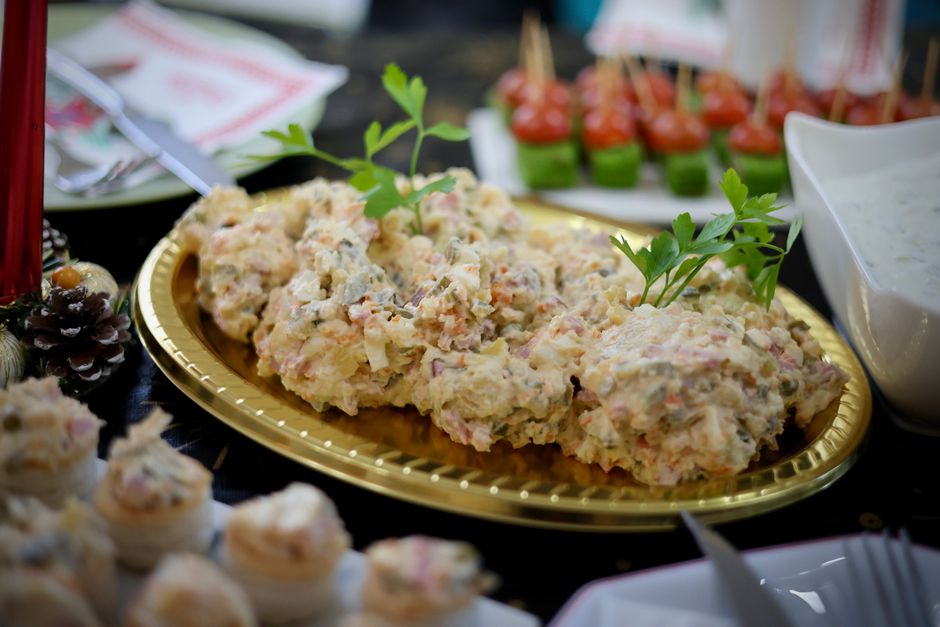
Build 24 bites across three textures
For six guests, prepare eight warm bites, eight chilled bites, and eight crisp bites. Serve the warm batch first, then bring out the chilled and crisp pieces together. This menu feels varied even when the shopping list stays short. It also gives you a clear stopping point: once 24 pieces are ready, more food is optional rather than necessary.
Use one flavor family across the tray, such as garlic and herbs, lemon and pepper, or smoked paprika and cheddar. A shared flavor thread makes separate recipes feel planned. Keep the shapes different so guests can identify the options quickly: squares for pastry, rounds for cucumber, and cups for tortillas.
When to change the plan
Choose fewer recipes if your oven is small, your refrigerator is crowded, or guests will arrive over a long window. In those cases, make 16 bites instead: eight warm and eight chilled. Choose more pieces only when the appetizers replace a meal. The strongest plan for the opening scenario is the modest one: a tray that stays attractive, holds its texture, and lets the host sit down before the first plate is empty.