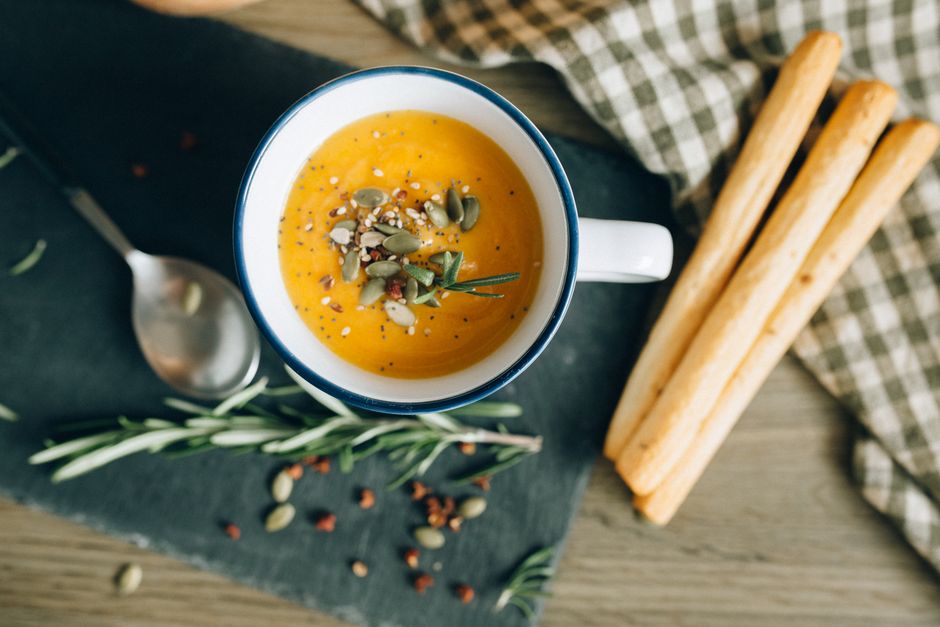
One 17.3-ounce box of puff pastry can make roughly 32 cheese straws. That is enough for a party tray, yet the work fits into one small stretch of counter space. The problem comes when the pastry turns soft, the cheese slides off, or the finished straws lose their crunch before guests arrive. The fix is not a complicated recipe. It is cold dough, a dry filling, firm twisting, and a hot oven.
Why Do Cheese Straws Turn Soggy?
Cold butter creates the crisp layers
Puff pastry rises because thin sheets of dough surround layers of butter. In the oven, the water in that butter turns to steam and pushes the layers apart. If the pastry warms on the counter first, the butter begins to melt into the dough. The result is flatter, heavier cheese straws with less snap.
Work with one pastry sheet at a time. Keep the second sheet chilled until you need it. If the dough feels sticky or stretches instead of cutting cleanly, place it on a baking sheet and chill it for 10 to 15 minutes. That short pause protects the layers.
Dry cheese stays attached
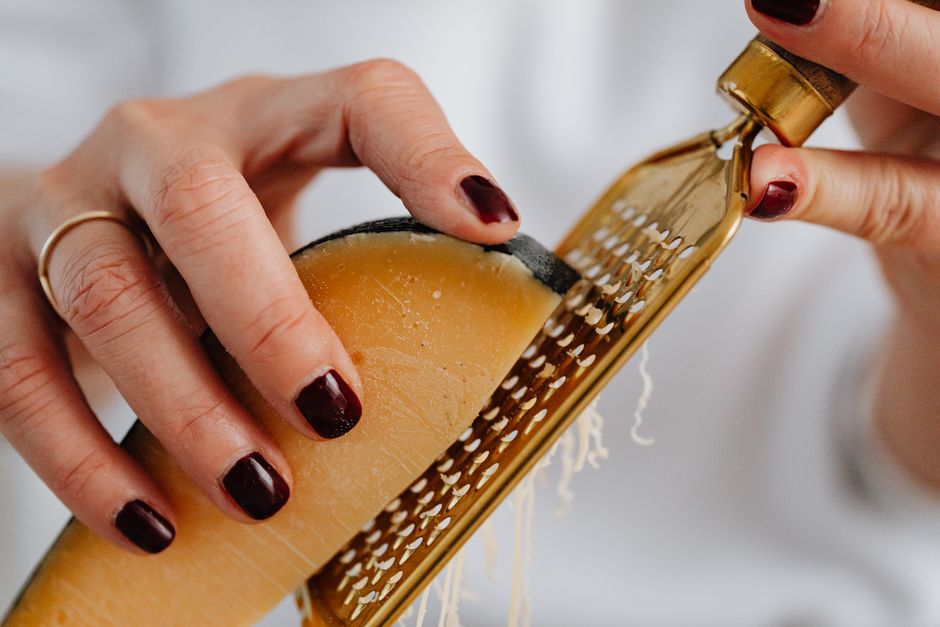
Freshly grated hard cheese works better than a wet cheese spread. Moisture creates steam in the wrong place and can make the pastry greasy. Sharp cheddar brings a strong flavor, while Parmesan adds salt and a crisp, toasted edge. A small amount of paprika or cayenne gives the straws more character without hiding the cheese.
Verdict: The best texture comes from cold puff pastry and finely grated cheese. Do not pile on a thick layer. A thin, even coating bakes into the pastry instead of sliding onto the pan.
Which Puff Pastry Makes the Best Cheese Straws?
For most home bakers, frozen puff pastry is the smartest choice. It is consistent, easy to portion, and widely available. Homemade puff pastry can taste excellent, but it adds hours of folding and chilling for a snack that already depends on careful handling. Choose a package with two sheets if you need a full party batch.
Package comparison
| Product | Package detail | Best use | Verdict |
|---|---|---|---|
| Pepperidge Farm Puff Pastry Sheets | 17.3 ounces, 2 sheets | Large tray of appetizers | Best overall for parties |
| Dufour Classic Puff Pastry | 14.1 ounces, richer butter flavor | Small batch with deeper flavor | Best premium option |
| Wewalka Puff Pastry Dough | About 13.2 ounces, refrigerated dough | Quick shaping without thawing frozen sheets | Best for same-day baking |
Pepperidge Farm is my pick for a gathering because the two-sheet package gives you predictable portions and enough surface area for a generous cheese layer. Dufour is the better choice when buttery flavor matters more than yield. Its dough is rich, so use a lighter hand with added butter or oil. Wewalka works when you need to skip the thawing step, but refrigerated dough can warm faster during shaping.
These products are not interchangeable in size. A thicker sheet needs a few extra minutes in the oven, while a narrow refrigerated sheet may brown quickly. Follow the visual cues: the pastry should puff, the edges should look dry, and the cheese should be golden rather than dark brown.
How Do You Shape Cheese Straws Without Losing the Layers?
- Thaw frozen puff pastry in the refrigerator for about 4 hours or overnight. It should bend without cracking but still feel cold.
- Heat the oven to 400°F. Line a baking sheet with parchment. A hot oven gives the butter enough heat to create steam before it leaks out.
- Unfold one sheet on a lightly floured surface. Press out only large creases. Heavy rolling removes the layers you want to keep.
- Brush the top with a very thin coat of beaten egg or water. Sprinkle on finely grated cheddar, Parmesan, black pepper, and a pinch of paprika.
- Press the cheese gently into the dough. Cut strips about 1/2 inch wide and 6 inches long.
- Twist each strip two or three times. Set it on the tray with about 1 inch of space around it. Pinch the ends against the parchment so the twist does not unwind.
- Chill the shaped straws for 10 minutes. Bake for 12 to 16 minutes, rotating the tray once, until puffed and deep golden.
Do not twist the strips until they look like tight ropes. Too much tension stretches the dough and creates thin spots that burn before the center cooks. Do not crowd the tray, either. Crowding traps moisture and makes the sides pale.
Best practical rule: if the pastry becomes soft while you work, stop cutting and chill it. Ten cold minutes can save an entire tray.
What Cheese Combination Gives the Best Flavor?
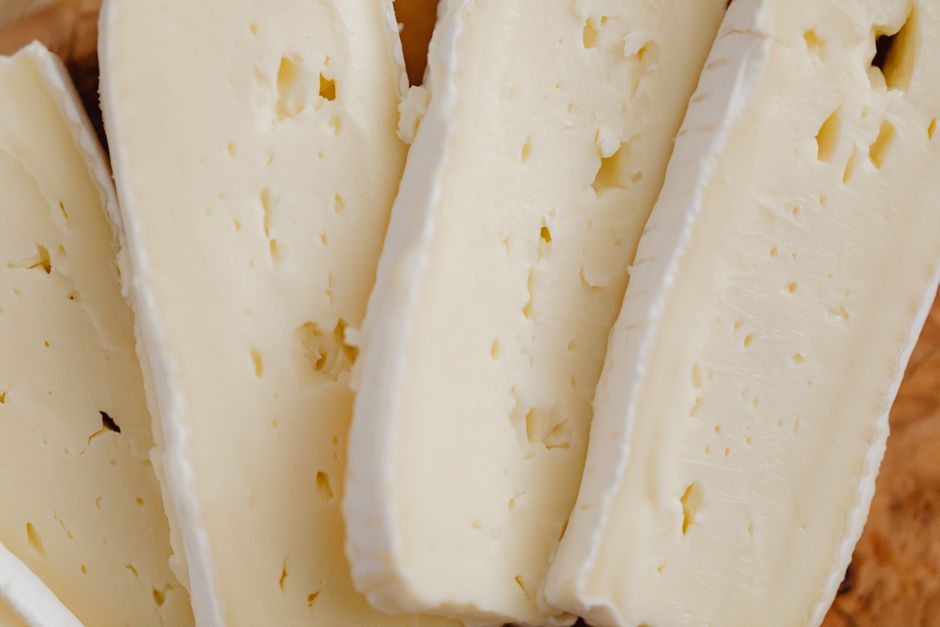
Use sharp cheddar plus Parmesan. This pairing gives cheese straws both familiar flavor and a crisp finish. Mild cheddar melts smoothly but can taste flat after baking. Very soft cheeses release too much moisture. Blue cheese can work, but its strong flavor makes the appetizer less flexible for a mixed crowd.
The reliable ratio
For one 17.3-ounce package of puff pastry, use about 1 cup of finely grated sharp cheddar and 1/4 cup of finely grated Parmesan. Tillamook Extra Sharp Cheddar gives a bold, tangy base. Cabot Seriously Sharp Cheddar brings similar intensity and grates cleanly when cold. Parmigiano-Reggiano adds a salty crust; domestic Parmesan is fine when you want a less expensive option.
Grate the cheese smaller than you would for a sandwich. Large shreds sit on top of the dough and fall away during twisting. Fine shreds settle into the pastry and make a more even crust. Add 1/4 teaspoon of smoked paprika for a warm flavor, or use cracked black pepper for a sharper bite.
When not to use cheddar
Skip cheddar if you want a delicate, buttery appetizer. Use Parmesan alone with sesame seeds instead. Skip Parmesan if your guests need a milder, less salty snack. In that case, use mild cheddar with a small amount of mozzarella, but expect a softer crust and less pronounced flavor.
The clear winner for a classic party tray is sharp cheddar with Parmesan. It tastes familiar, browns well, and does not need a dipping sauce to feel complete.
How Should You Bake and Serve Cheese Straws?
Can you make them ahead?
Yes. Shape the cheese straws, place them on a parchment-lined tray, and refrigerate them for up to 8 hours. Cover the tray loosely so the dough does not dry out. Bake directly from the refrigerator, adding one or two minutes if needed. For longer storage, freeze the unbaked straws in a single layer, then transfer them to a sealed container for up to one month.
What mistakes ruin the finished texture?
- Warm pastry: It spreads instead of rising. Chill it before baking.
- Wet cheese: It creates greasy patches. Choose firm cheese and grate it finely.
- Low oven heat: The butter leaks before the layers expand. Use a fully preheated 400°F oven.
- Overbaking: Dark cheese tastes bitter. Remove the tray when the pastry is deep golden.
- Sealed storage while hot: Trapped steam softens the crust. Cool the straws completely before covering them.
Serve cheese straws warm or at room temperature with soup, sparkling wine, fruit, or a simple salad. They are best on the day they are baked, but a 5-minute refresh in a 350°F oven can restore some crispness the next day.
Final verdict: Bake the straws in small batches when possible, and keep finished pieces uncovered until serving. That simple choice protects the crunch guests notice first.
Cheese straws remain useful because they turn a few cold-storage staples into food that feels planned. As puff pastry becomes easier to find in different formats, the best versions will keep the same formula: crisp layers, a restrained cheese coating, and enough contrast to make one more worth taking.