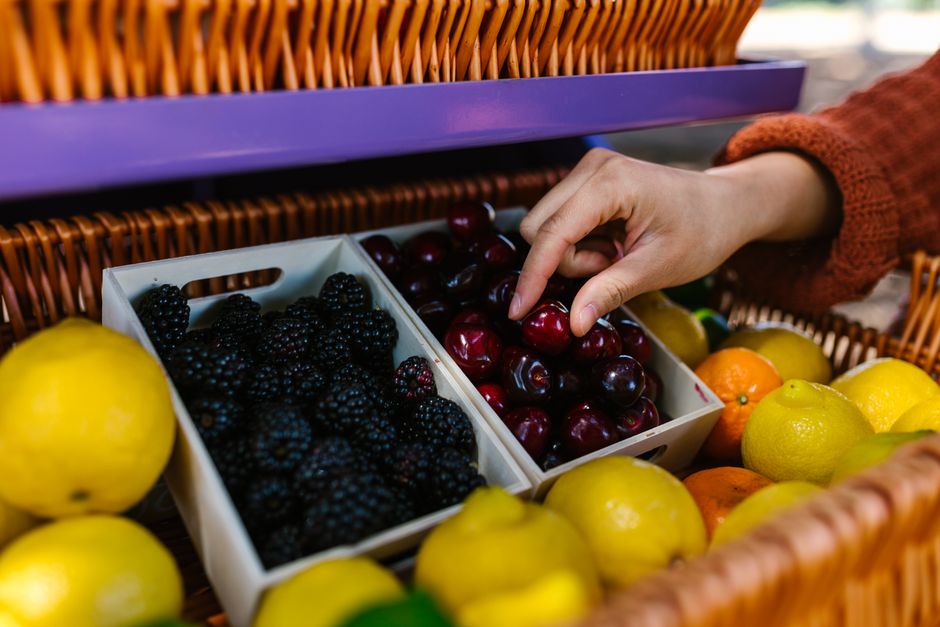
The common misconception is that adding more fruit makes a better traybake. It does not. Too many blackberries release water, apples stay firm in the centre, and the cake turns into a damp layer under a browned top. I have made this cake for years, and the reliable version uses less fruit than most recipes suggest, small apple pieces, and a short rest before slicing.
Why Blackberry and Apple Cake Turns Soggy
The cake needs to hold two very different fruits. Apples contain firm flesh and release moisture slowly as they soften. Blackberries are softer, more acidic, and full of juice that escapes almost at once in a hot oven. The batter must set around both fruits before that liquid collects at the bottom.
Fruit size controls the bake
Cut the apple into cubes no larger than 1.5 cm. Bigger pieces remain crunchy while the cake sets, so you end up with a wet pocket around undercooked apple. I prefer a sharp, firm apple such as Bramley, Granny Smith, or Pink Lady. Bramley gives the strongest apple flavour, while Pink Lady holds its shape more clearly.
Use 200 to 250 g of blackberries for a 23 x 33 cm traybake. Fresh berries work best, but frozen berries can also succeed if you add them frozen and do not thaw them first. Thawed berries shed juice before the batter has a chance to set.
Flour and heat do the structural work
Plain flour gives the cake enough strength to support the fruit, while ground almonds make the crumb softer and help absorb excess juice. The oven should be fully heated to 180°C conventional or 160°C fan before the tin goes in. A cold start gives the fruit time to sink and leak before the edges set.
The best test is not a perfectly clean skewer because it may hit a blackberry. Insert it into a pale section of cake near the centre. It should show a few moist crumbs, not liquid batter. That distinction prevents both a soggy middle and a dry cake.
The Right Ratio of Apple, Blackberry, and Batter
This is the formula I return to because it gives every slice fruit without turning the base wet. Weigh the ingredients. A cup measure can easily add 20 g too much flour or miss a large amount of chopped apple.
| Ingredient | Amount | What it does |
|---|---|---|
| Unsalted butter | 200 g, softened | Creates flavour and a tender crumb |
| Light brown sugar | 180 g | Adds moisture and a light caramel note |
| Large eggs | 3, about 165 g without shells | Sets the batter and binds the fruit |
| Plain flour | 250 g | Provides the main structure |
| Ground almonds | 75 g | Absorbs fruit juice and softens the crumb |
| Blackberries | 200 to 250 g | Adds sharp, juicy fruit |
| Apple | 250 g peeled and cubed | Adds body and a gentle tart flavour |
For equipment, a Nordic Ware Naturals Half Sheet gives an 18 x 13 inch baking surface, but it is larger and shallower than the specified tin, so reduce the baking time if you use it. A 23 x 33 cm metal pan is the safer choice. A KitchenAid Artisan 5-Quart mixer handles the butter and sugar easily, though a wooden spoon works just as well. King Arthur Unbleached All-Purpose Flour also works cup for cup, but I still weigh it at 250 g.
My clear preference is a light metal tin lined with baking paper. Dark non-stick pans brown the edges faster, and glass pans usually need a longer bake. If the pan is all you have, lower the oven by 10°C and check the centre carefully.
How to Bake the Cake Without a Wet Centre
Follow the order below. The small pauses matter more than fancy equipment.
- Line the base and two long sides of a 23 x 33 cm tin. Leave enough paper overhang to lift the cake out later.
- Beat the softened butter and brown sugar for 3 to 4 minutes. Stop when the mixture looks paler and slightly fluffy. Do not rush this step; poorly aerated butter makes a heavy cake.
- Add the eggs one at a time. Beat in 1 tablespoon of the flour if the mixture starts to look curdled.
- Mix the flour, ground almonds, baking powder, cinnamon, and a pinch of salt in a separate bowl. Fold the dry mixture into the batter with a spatula.
- Spread two-thirds of the batter into the tin. Scatter over half the apple and half the blackberries. Add the remaining batter in spoonfuls, then press the rest of the fruit lightly into the surface.
- Bake for 40 to 48 minutes at 180°C conventional or 160°C fan. Rotate the tin once after 30 minutes if your oven has a hot side.
- Cool in the tin for 20 minutes, then lift the cake onto a rack. Wait until it is just warm before cutting.
Do not press the fruit deep into the batter. That pushes the wettest ingredients toward the base. Do not open the oven during the first 30 minutes either. A sudden temperature drop can leave the centre sunken while the edges continue to brown.
If the top darkens before the centre sets, lay foil loosely over the cake. Do not seal it tightly; trapped steam softens the crust. The finished cake should feel springy in the middle and show a golden edge that has pulled slightly away from the tin.
Blackberry and Apple Traybake Questions Answered
Can I use frozen blackberries?
Yes. Use them straight from the freezer and expect 5 to 8 extra minutes in the oven. Do not rinse or thaw them first. If the berries are large, break only the biggest ones in half while frozen.
Why did the blackberries sink?
Very loose batter, oversized berries, and excess fruit all cause sinking. Tossing the berries in flour helps a little, but it cannot rescue a batter that is too thin. Keep the fruit between 200 and 250 g and make sure the butter was softened, not melted.
Can I replace the ground almonds?
Use 50 g of plain flour instead if you need a nut-free cake. The crumb will be slightly firmer, and the cake may need 3 to 5 extra minutes. Oat flour is a weaker substitute because it absorbs liquid quickly and can make the centre gummy.
Which apples should I avoid?
A very soft eating apple, such as an overripe Red Delicious, can collapse into sweet puree. I would choose Bramley for a sharp, jammy result or Granny Smith for pieces that remain distinct. Peel the apple if the skin feels tough.
How should I store the finished cake?
Keep it in an airtight container at room temperature for two days. For longer storage, refrigerate it for up to four days, then bring slices to room temperature before serving. The fridge firms the butter and dulls the blackberry flavour when the cake is eaten cold.
My Verdict: Use Less Fruit and Let the Cake Set
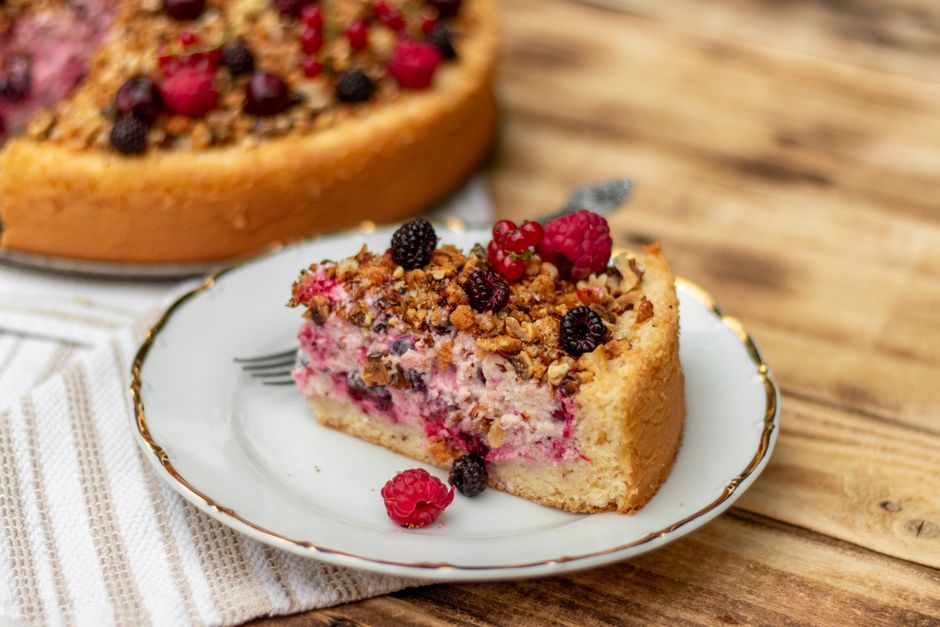
For a moist blackberry and apple traybake cake with clean slices, 200 to 250 g of blackberries and 250 g of prepared apple is the winning ratio. More fruit sounds generous, but it gives the cake too much water to manage. The best version has a soft almond-scented crumb, tart berries near the top, and apple pieces that still have a little shape.
If you need a dessert packed with fruit rather than a sliceable cake, make a blackberry and apple crumble instead. Its oat topping welcomes extra juice, so it is the better choice for very ripe berries or apples that need using quickly. Choose this traybake when you want something that can be cut into squares and carried to a picnic without collapsing.
Serve it slightly warm with plain yoghurt, softly whipped cream, or no topping at all. I prefer it after an hour of cooling, when the blackberry juices have settled but the crumb still feels tender.
That solves the original problem: a fruit-heavy cake does not need more fruit to taste generous. It needs the right amount, cut small, baked hot, and given time to set. The result is a traybake that stays moist without becoming soggy.