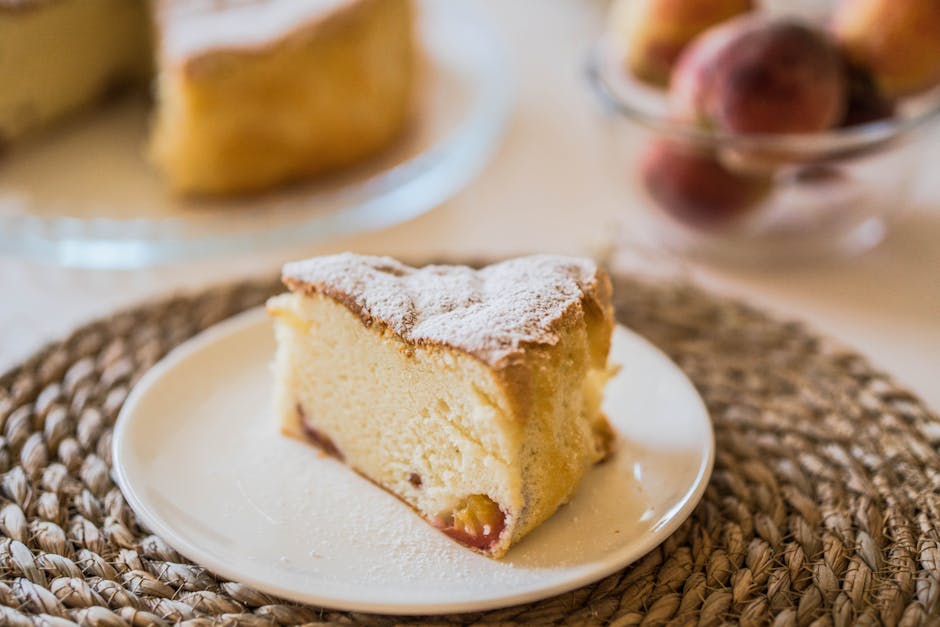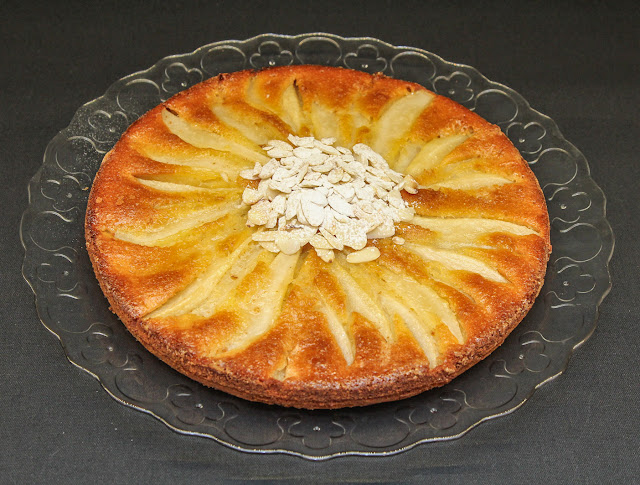
Pear Polenta Cake? It sounds fancy, but it’s not. It’s a simple, rustic dessert that delivers big on flavor, if you don’t mess it up. Forget the overly sweet, rubbery versions you often find.
Why Polenta Matters (Beyond Just Cornmeal)
Calling all polenta “cornmeal” is a rookie mistake. Polenta refers to the dish, yes, but also the specific grind of corn used to make it. For a proper pear polenta cake, the type of polenta you use is critical. It’s not just about flavor; it’s about texture. Get this wrong, and your cake turns into a brick or crumbles into dust. Skip the fine corn flour stuff. That’s for tortillas, not cake. You need a medium-grind polenta, specifically one labeled ‘polenta’ and not ‘cornmeal’ if you want that characteristic tender-crumb-with-a-slight-bite. Brands like Bob’s Red Mill Medium Grind Polenta are a solid bet here; they deliver consistent results.
Fine vs. Coarse Grind
A fine grind will give you a denser, almost pasty texture, which is not what we’re going for in a cake. It absorbs liquid too quickly and can make the cake heavy. On the other hand, a very coarse grind might leave you with a gritty texture that’s unpleasant. The ideal is a medium grind. This allows the polenta to swell and soften during baking, integrating into the batter while still maintaining a slight, delightful chewiness. It contributes to the cake’s structural integrity without making it tough. Don’t eyeball this; read the label. Your cake depends on it.
The “Quick-Cook” Trap
Resist the urge to use instant or quick-cook polenta. Seriously, don’t. While convenient for a weeknight dinner, it’s processed differently and lacks the robust flavor and textural integrity needed for baking. Quick-cook varieties are often pre-steamed and dried, meaning they’ve already had some of their starch structure altered. This translates to a less stable crumb and a less authentic taste in your cake. Stick to traditional, uncooked medium-grind polenta. The extra few minutes of proper baking are worth the superior result. This isn’t a shortcut recipe; it’s about making it right.
Picking Your Pears: Don’t Screw This Up
This is where many home bakers fail: they choose the wrong pears or ignore their ripeness. It’s not just about what’s on sale. You need pears that hold their shape when baked but are sweet and aromatic enough to contribute flavor. Soft, mushy pears will turn to an indistinct pulp, and hard, unripe ones will stay tough and flavorless. Don’t settle. The best pears for this cake are Bosc or Anjou. They have a firm flesh that softens beautifully in the oven without disintegrating. Forelle pears are also a good option if you can find them, offering a slightly firmer texture and a lovely tartness.
The Ripeness Test
You need ripe, but not overripe, pears. How to tell? Gently press near the stem. It should yield slightly to pressure, but the rest of the pear should still feel firm. If the entire pear is soft, it’s too far gone. If there’s no give at all, it’s too green. Buying them a few days in advance and letting them ripen on the counter is often the best strategy. Keep an eye on them daily. Once they hit that sweet spot, use them or refrigerate them immediately to halt further ripening. This isn’t rocket science, but it requires attention.
Prepping Pears for Baking
Once you have your perfectly ripe pears, preparation is straightforward. Peel them. Core them. Then slice them uniformly. About 1/4-inch thick is ideal. Uniform slices ensure even cooking and a beautiful presentation. You don’t want some pieces to be mush and others still crunchy. A good mandoline can help with consistency, but a sharp knife works just fine if you’re careful. A quick toss with a little lemon juice prevents browning if you’re not adding them to the batter immediately. This preserves their color and adds a subtle brightness, which is always a good thing.
The Wet-to-Dry Ratio: A Non-Negotiable
Baking is chemistry. Ignore the ratios at your peril. The wet-to-dry ingredient balance is for the cake’s structure, moisture, and overall success. This isn’t a ‘throw-it-together’ kind of recipe if you want a perfect result. Too much liquid, and your cake will be dense and gummy. Too little, and it’ll be dry and crumbly. Precision is not optional here. Get your kitchen scale out. Measure ingredients by weight, especially flour, for accuracy. For instance, a cup of King Arthur All-Purpose Flour can vary significantly in weight depending on how it’s scooped, leading to inconsistent results. Use the scale.
- The Flour, Polenta, Sugar Balance: Your recipe will typically call for a mix of all-purpose flour and polenta. This blend is key. The flour provides gluten for structure, while the polenta gives that unique texture. Don’t mess with the proportions unless you know exactly what you’re doing. The sugar content isn’t just for sweetness; it also affects moisture and tenderness. Over-reducing sugar can make the cake dry.
- The Right Amount of Liquid: Milk, buttermilk, or yogurt, and eggs are your primary liquid components. Eggs provide structure, richness, and emulsification. Buttermilk or yogurt adds a desirable tang and helps activate leavening agents like baking soda, contributing to a tender crumb. Ensure all your wet ingredients are at room temperature for better emulsion and a smoother batter. Cold ingredients can stiffen the batter and lead to a denser cake.
- Fats and Their Role: Butter or oil provides moisture and richness. The amount matters. Too much fat can make the cake greasy; too little leaves it dry. Each ingredient has a specific job. Respect the recipe’s calls for these amounts.
- Leavening Agents: Baking powder and baking soda (if using buttermilk) are responsible for the cake’s rise. Ensure they are fresh. Expired leavening agents are a common cause of flat, dense cakes. A simple test: baking soda bubbles in vinegar; baking powder bubbles in hot water.
Butter vs. Oil: The Great Fat Debate
The choice of fat significantly impacts your cake’s flavor and texture. This isn’t just about taste preference; it’s about the fundamental structure and eating experience. Butter brings a rich, classic flavor. Oil, typically a neutral one like vegetable or a more flavorful one like olive oil (which works surprisingly well here), contributes moisture and a different kind of tenderness. Understand the trade-offs.
| Feature | Butter | Olive Oil |
|---|---|---|
| Flavor | Rich, creamy, traditional dairy notes | Fruity, sometimes peppery, distinct Mediterranean profile |
| Texture | Tends to create a slightly firmer, more structured crumb. Melts in the mouth. | Results in a moister, more tender crumb. Can feel softer. |
| Crumb Structure | Finer, more delicate structure due to butter’s solid state at room temp. | More open, somewhat coarser crumb due to liquid fat. |
| Shelf Life | Can dry out faster due to less inherent moisture. | Generally stays moist longer, less prone to drying out. |
Flavor Profile
Butter is undeniable for that classic, comforting cake flavor. It pairs beautifully with the sweetness of pears and the subtle graininess of polenta. However, using a good quality extra virgin olive oil can introduce an exciting, complex flavor note that elevates the cake beyond the ordinary. It complements the fruit beautifully, adding a slight peppery or grassy undertone that can be surprisingly good. If you’re hesitant, start with a milder olive oil.
Cake Structure Impact
Butter, being solid at room temperature, creates a more structured crumb when creamed with sugar, incorporating air. This leads to a somewhat denser, yet still tender, cake. Oil, on the other hand, is liquid. It coats the flour proteins more effectively, inhibiting gluten formation and resulting in a softer, moister crumb that often stays fresh longer. For a truly rustic polenta cake, olive oil often provides that desired robust texture and extended moistness. Both are valid choices, but they are not interchangeable.
Mixing Methods: Don’t Overthink It
Mixing this cake is simple. Really. You’re not making soufflé. The key is to combine ingredients thoroughly without developing too much gluten. Overmixing is the enemy here; it leads to a tough, rubbery cake, and nobody wants that. Mix until just combined. Period.
Baking Temperature and Time: Precision is Key
Oven calibration is not a suggestion; it’s a requirement. An inaccurate oven can ruin a perfectly good batter. Use an oven thermometer. Get one. Your pear polenta cake needs consistent, moderate heat to bake through evenly, develop its golden crust, and ensure those pears soften perfectly. Don’t rely on your oven’s dial; it’s probably wrong. A sturdy Pyrex baking dish or a similar light-colored metal pan is recommended for even heat distribution.
What’s the ideal oven temperature?
Most pear polenta cake recipes call for a moderate oven temperature, typically around 350°F (175°C). This allows the cake to bake slowly and evenly, preventing the edges from burning before the center is cooked through. If your oven runs hot, you might need to drop it by 25°F. If it runs cool, raise it. An oven thermometer will tell you what’s actually happening inside that box.
How do I know it’s done?
A skewer or toothpick inserted into the center of the cake should come out clean. Don’t just look at the top; that’s deceptive. The cake should be golden brown around the edges, and the top should spring back when lightly touched. For a cake with fruit, sometimes a slightly moist crumb on the skewer is acceptable if it’s pear juice, not raw batter. When in doubt, give it another 5-10 minutes. An underbaked cake is a disaster; a slightly overbaked one is usually still edible.
What if my cake sinks?
There are a few culprits. One, your oven temperature might be too low, or you opened the oven door too early, causing a sudden drop in temperature. Two, too much leavening, or expired leavening can cause a quick rise and then a dramatic fall. Three, overmixing the batter can incorporate too much air initially, leading to collapse. Ensure your leavening is fresh and your oven is accurate. And resist the urge to peek until the last 10-15 minutes of baking. Patience pays off.
The Glaze: Optional, But You Should Do It
A simple glaze isn’t just for looks; it adds another layer of moisture and flavor. Don’t skip it. It transforms a good cake into a great one. You’ve put in the work, so finish strong. A good glaze adds brightness and a slight sweetness that balances the rustic texture of the polenta and the warmth of the pears. This isn’t about making it overly sweet; it’s about enhancing what’s already there.
Simple Syrup vs. Citrus Kick
The simplest glaze is a basic simple syrup: equal parts sugar and water, simmered until dissolved. You can brush this on the warm cake for added moisture and a subtle sheen. However, a citrus-infused glaze takes it up a notch. Lemon or orange zest and juice brighten the whole cake. A Cuisinart citrus juicer makes quick work of this. Combine the juice and zest with powdered sugar until you reach a pourable consistency. For a thicker glaze, use less liquid; for a thinner, brushable one, add a bit more. Some recipes even call for a splash of liqueur, like Amaretto or Grand Marnier, which can add significant depth of flavor.
Applying the Glaze
Timing is crucial. For a simple syrup, brush it over the cake while it’s still warm, right out of the oven. The cake will absorb the syrup, locking in moisture. If you’re using a powdered sugar glaze, let the cake cool completely first. Applying it to a hot cake will cause it to melt and disappear, leaving a sticky mess instead of a beautiful drizzle. Once cooled, drizzle or spread the glaze evenly. Let it set for at least 30 minutes before slicing. This allows the glaze to firm up, creating that perfect finishing touch. It’s a small step that makes a huge difference in the final product.
Get the polenta right, pick excellent pears, and respect the ratios; that’s how you bake a pear polenta cake worth eating.