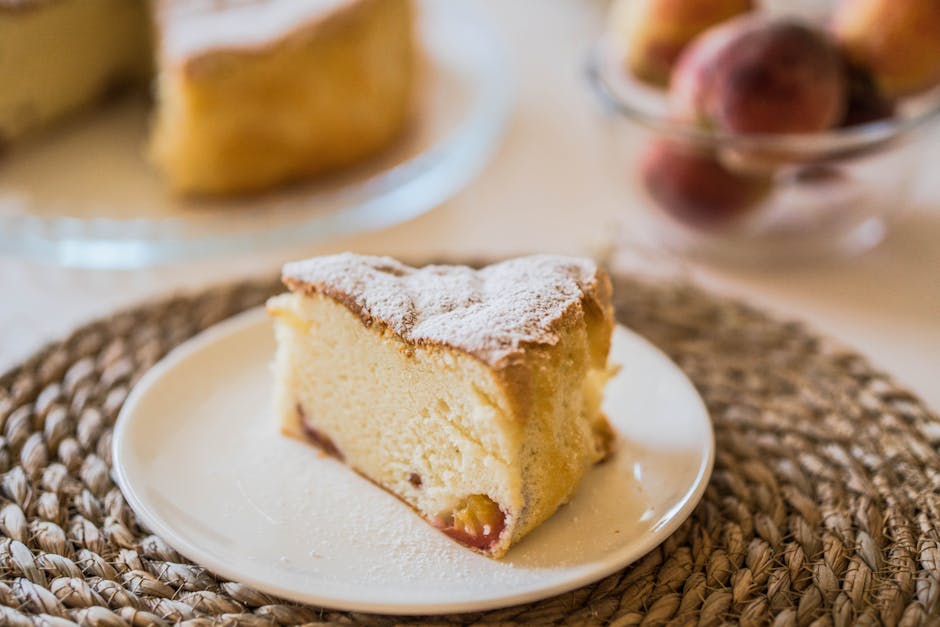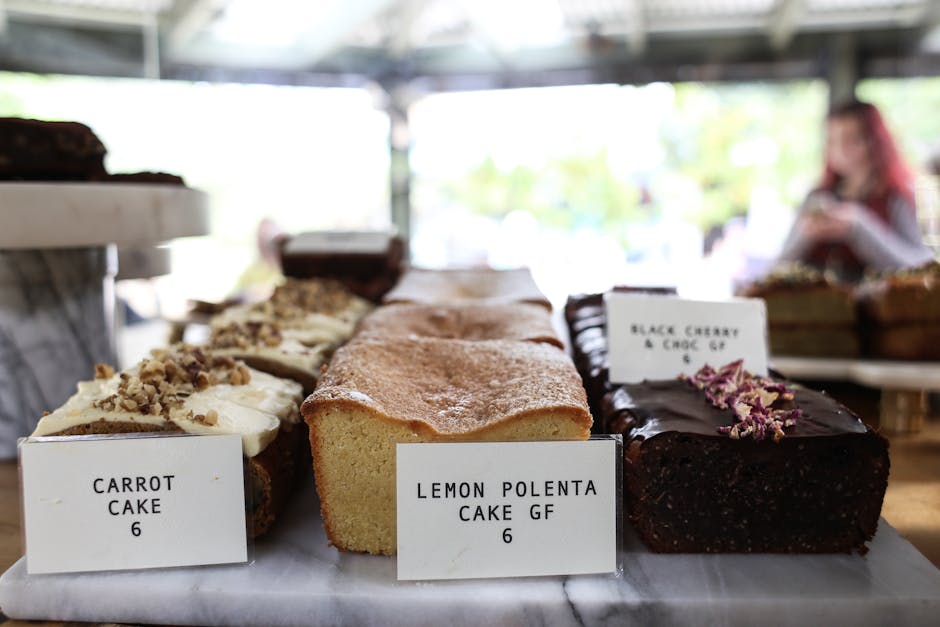
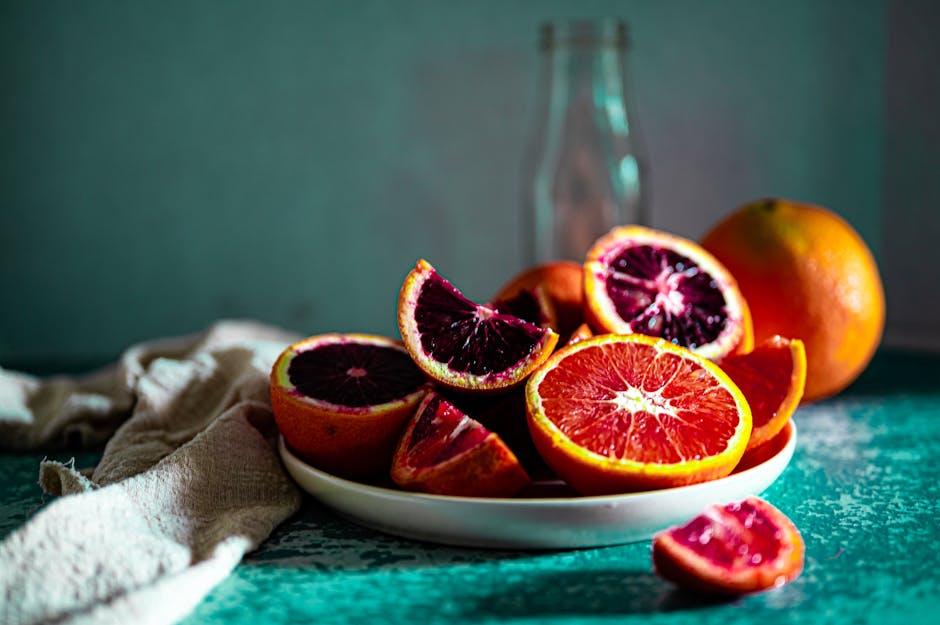
Blood oranges have the briefest of seasons and I look forward to them every January. Their extraordinary colour — somewhere between ruby and sunset — makes any bake look spectacular. This polenta cake is naturally gluten-free, incredibly moist, and has a wonderful slightly gritty texture from the polenta that I find completely addictive.
I found some beautiful blood oranges at the market last week, their skins flushed deep red, and knew immediately what they were destined for.
Ingredients
- 3 blood oranges
- 250g ground almonds
- 100g fine polenta (not quick-cook)
- 1½ tsp baking powder
- 250g caster sugar
- 3 large eggs
- 150g unsalted butter, melted and cooled
For the syrup
- Juice of 2 blood oranges
- 75g caster sugar
- 1 tbsp Cointreau (optional)
Method
- Place 2 of the blood oranges (whole, unpeeled) in a saucepan, cover with water, and simmer gently for 1½ hours until completely soft. Drain and let cool, then cut open, remove any pips, and blitz the whole lot — skin and all — to a smooth purée.
- Preheat the oven to 170°C (150°C fan). Grease and line a 23cm round springform tin.
- In a large bowl, mix the ground almonds, polenta, and baking powder.
- In another bowl, whisk the eggs and sugar together until thick and mousse-like. Fold in the melted butter, then the orange purée.
- Add the wet mixture to the dry ingredients and fold together gently until combined.
- Pour into the prepared tin. Slice the remaining blood orange into thin rounds and arrange on top of the batter.
- Bake for 50–55 minutes until golden and firm to the touch. A skewer should come out clean.
- While the cake bakes, make the syrup. Heat the orange juice and sugar together, stirring until dissolved, then simmer for 5 minutes until slightly thickened. Stir in the Cointreau if using.
- Poke holes all over the warm cake with a skewer and pour the syrup over slowly, letting it soak in.
- Leave to cool in the tin before releasing and serving.
This cake keeps remarkably well — up to five days in an airtight container. It’s actually better on the second day once the syrup has fully soaked through. Serve with a dollop of crème fraîche or Greek yoghurt.