Spring Cleaning Checklist 2026: Stop Wasting Your Weekend
Are you still blocking out the entire weekend for spring cleaning, only to finish Sunday evening exhausted with the oven untouched and the garage looking exactly the same? That was me for years. Not because I wasn’t working hard enough — I was cleaning in the wrong order, buying the wrong products, and skipping the tasks that actually make a house feel different when you’re done.
Here’s what six years of trial and error actually taught me.
Why Your Cleaning Order Is Costing You Hours
The single biggest time-waster in spring cleaning isn’t laziness. It’s sequence. Clean in the wrong order and you’ll redo work you’ve already finished — sometimes multiple times in the same session.
I spent two full spring cleans vacuuming before I dusted. Every time I wiped down the bedroom shelves afterward, fine dust landed directly on the floor I’d already done. So I vacuumed again. Then I moved to the next room and repeated the mistake. Half my cleaning time was undoing cleaning I’d already completed.
Start with ceilings, work down to floors
The rule is non-negotiable: clean from high to low, from far to near. Ceiling fans and light fixtures first. Then shelves and furniture surfaces. Countertops next. Floors are always last.
Dust falls down. Debris falls down. If you vacuum before dusting the ceiling fan, you vacuum the same floor twice. A pillowcase slid over each fan blade and then pulled off quickly traps the grime instead of sending it airborne — no product needed, just an old pillowcase from the linen closet.
The tops of kitchen cabinets are the worst offenders in most homes. Most people never clean them at all. There’s usually a thick layer of greasy dust sitting up there that needs to come down before you touch anything at counter height. Wipe it with a damp cloth first and dispose of the cloth — don’t rinse it back into your cleaning bucket.
Ventilate before any products go on
Open windows in every room before you start. I skipped this constantly until I gave myself a genuine headache from cleaning a windowless bathroom with bleach-based products. Even low-fume products like Method All-Purpose Cleaner ($4) or Seventh Generation Multi-Surface Spray ($6) benefit from airflow — surfaces dry faster and you’re not inhaling concentrated product while scrubbing at close range.
Bathrooms without adequate ventilation also stay damp longer after cleaning, which encourages mildew growth in grout lines and around the toilet base. Open a window. Run the exhaust fan. It takes 10 seconds and makes the rest of the job easier.
The room sequence that actually works
Start with the rooms you use least: spare bedrooms, home office, hallways. Work toward the rooms you use most: kitchen, main bathroom, living room.
Two reasons. First, you track less mess through rooms you’ve already cleaned. Second, you arrive at the kitchen — which consistently takes the longest — with your routine dialled in rather than figuring things out on the hardest room first. The kitchen alone absorbs 2–3 hours when done properly. Don’t go there until you’re warmed up.
Room-by-Room Spring Cleaning Checklist

This isn’t the vague “wipe surfaces and declutter” version you’ll find on every home blog. These are the specific tasks that get skipped year after year and that make the biggest difference when you actually do them.
Kitchen
- Empty every cabinet and wipe the interior — crumbs accumulate fast in lower cabinets and a grease film builds up in anything near the stove
- Clean inside the oven — use Bar Keepers Friend ($3–5) on stubborn oven door glass rather than spray oven cleaner; it’s less corrosive and more effective on baked-on grease
- Descale the kettle with a 50/50 water and white vinegar solution: boil it, leave for 30 minutes, discard, rinse twice
- Pull the refrigerator out and vacuum the condenser coils at the back — this genuinely extends the compressor lifespan and most people have never done it once
- Clean refrigerator door seals with a toothbrush and warm soapy water; mold grows in those folds fast and most people only wipe the visible surface
- Check range hood filters — most are dishwasher-safe (confirm in the manual); if not, soak in hot water and dish soap for 20 minutes
- Wash bins and recycling containers outside with a garden hose and diluted disinfectant
While you’re reorganizing cabinets, be ruthless about what returns to the counter. Clearing countertops completely — then only putting back what you use daily — keeps the kitchen feeling cleaner between cleans for months. If you’re in a reorganizing mood, the breakdown of kitchen gadgets worth actually keeping is worth a look before you decide what earns counter or drawer space.
Bathrooms
- Scrub grout lines with a stiff brush and a paste of baking soda and water — for tougher staining, OxiClean White Revive ($8) works better than baking soda alone
- Clean under the toilet rim with a dedicated brush; this is the spot responsible for most of the persistent bathroom smell that doesn’t go away with surface cleaning
- Wash the shower curtain and liner — most fabric curtains are machine-washable on a gentle cycle; vinyl liners often are too
- Descale the shower head by tying a bag of white vinegar around it for 30–60 minutes, or use CLR Bath & Kitchen Cleaner ($8) if the limescale is heavy
- Wipe down exhaust fan covers — they get coated in lint and dust and significantly reduce airflow when blocked
- Check the medicine cabinet and under-sink storage for expired products; dispose of medications at a pharmacy, not in the bin
Bedrooms and living areas
- Rotate mattresses — or flip if yours is a double-sided model; most modern mattresses are rotate-only, do it every six months minimum
- Wash duvet covers, mattress protectors, and pillow protectors on a hot cycle — not just the outer pillowcases
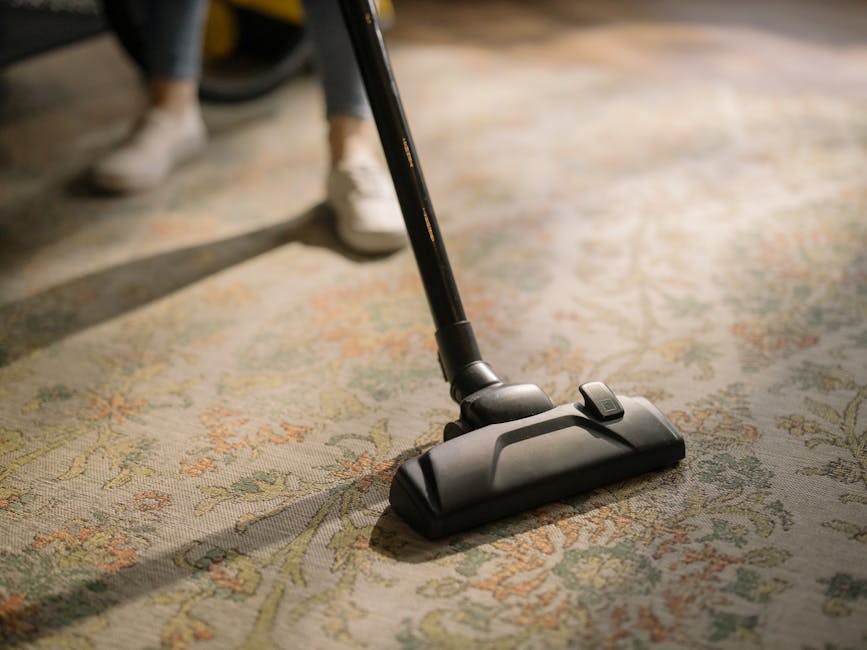
- Vacuum upholstered furniture thoroughly, underneath all cushions and along the back where it meets the wall
- Wipe down every baseboard and window sill in the house — they collect more dust than almost any other surface and almost nobody does them regularly
- Clean window glass inside with a microfiber cloth and a 50/50 water and white vinegar solution; newspaper also works and leaves no streaks
- Dust blinds with a dry microfiber cloth — don’t wipe fabric blinds with a wet cloth, they can warp
Cleaning Products Worth Buying vs. What You Already Have
I’ve bought more cleaning products than I’ll admit to. Here’s the honest breakdown of what actually earns a permanent spot under the sink:
| Product | Price | Best Use | Verdict |
|---|---|---|---|
| Bar Keepers Friend Powder | $3–5 | Oven glass, sinks, stainless steel, grout | Buy it — nothing else does this many jobs |
| Affresh Washing Machine Tablets | $10 (3-pack) | Front-loader and top-loader drum cleaning | Buy it — vinegar doesn’t clean drums the same way |
| Scrub Daddy | $4 each | Scrubbing surfaces without scratching | Buy it — lasts 3x longer than a standard sponge |
| CLR Bath & Kitchen Cleaner | $8 | Limescale on taps, shower heads, tiles | Buy it if you have hard water — nothing else competes |
| Method All-Purpose Cleaner | $4 | Counters, cabinets, general surfaces | Good if you prefer low-odour products |
| Seventh Generation Disinfecting Spray | $6 | Surface disinfecting with low fumes | Good choice for households with kids or pets |
| Generic wet wipes (any brand) | $3–8 | Quick surface wipe-downs | Skip for deep cleaning — surface-level only |
| White vinegar (store brand) | $2–3 | Descaling, deodorising, windows | Keep two litres in the house at all times |
The two products I genuinely can’t do a proper spring clean without: Bar Keepers Friend and Affresh. I resisted buying Affresh for three years and ran hot vinegar cycles in my front-loader instead. It still developed a persistent musty smell by midsummer. One pack of Affresh tablets cleared it in a single cycle. The chemistry is just different — the tablets use specific surfactants that break down biofilm in the drum and seal, which vinegar doesn’t touch.
The One Task That Defeats the Whole Clean

Behind and underneath furniture. Full stop.
I moved a sofa last spring that hadn’t shifted in two years. The dust behind it was enough to fill a paper bag. If your spring clean doesn’t include pulling furniture away from walls — sofas, beds, refrigerators, washing machines — you’re doing maintenance cleaning, not deep cleaning. The two take the same amount of energy. Only one of them actually works.
Deep Cleaning the Appliances Most People Ignore
These are machines running in your house every single day that most people clean on the outside and never touch on the inside. Spring is the time to fix that.
When did you last clean the washing machine drum?
Front-loaders are the worst offenders. The rubber door seal collects standing water, detergent residue, and mold between every cycle. Wipe it out monthly in an ideal world — but start now regardless.
For the drum: run a 60°C empty cycle with one Affresh tablet or 250ml of white vinegar. If your machine smells musty even after a hot wash cycle, run this monthly until it clears. The drain filter at the front base (behind a small access panel) also needs cleaning annually at minimum — pull it out, drain it over a towel, rinse it under the tap. Most people don’t know this filter exists. A blocked one reduces drainage efficiency and eventually triggers error codes or flooding.
What about the dishwasher?
Pull the spray arms off — most unscrew or lift straight out — and clear any blocked holes with a toothpick. The filter at the base of the machine should be rinsed monthly; spring is the right time to start that habit if you haven’t. Run a hot empty cycle with a Finish Dishwasher Cleaner tablet ($4) before the filter goes back in.
Check the rubber door gasket too. The seal around the door edge collects food debris and grows mold if it stays damp. Wipe it with a cloth and a small amount of diluted bleach, getting into the folded sections of the seal where debris sits.
What about the coffee maker?
Scale buildup affects taste long before it damages the machine, but it will eventually burn out the heating element if you ignore it completely. Descale every 3–6 months using a dedicated descaler — Dezcal ($10) works across most brands including Breville, Nespresso, and De’Longhi. White vinegar technically works but requires multiple rinse cycles to fully clear the smell and taste from the machine afterward, which makes the whole process longer than just buying the right product.
If you’re already debating whether your current machine is worth the descaling effort, the reliability breakdown by coffee maker brand can help you figure out whether it’s a descale job or a replacement decision.
Declutter Before You Clean — Not After

Decluttering after cleaning is one of the most inefficient habits in home maintenance. You clean surfaces and then immediately cover them again with objects you haven’t sorted. Clutter hides the surfaces that need the most attention. Do the declutter pass first, every single time, before a single cloth or product comes out.
The rule I follow: three decisions per item — keep in place, relocate, or leave the house. No maybe piles. Maybe piles become permanent furniture within a week.
The categories worth reviewing every spring without exception:
- Clothing: anything unworn in the past 12 months. If it didn’t fit your life last year, it won’t fit it next year either.
- Kitchen tools: duplicates, single-use gadgets, and anything buried at the back of the lowest cabinet — the things you’ve forgotten exist are the things you don’t need.
- Bathroom products: expired medications, half-used items you dislike, anything you’ve accidentally bought twice.
- Paperwork: shred financial documents older than 7 years; scan and digitise anything you need to keep, then shred the original.
Fewer objects on surfaces means faster wiping. Fewer items in cabinets means you can actually reach everything when you vacuum inside them. The declutter pass isn’t prep work before the real clean begins — it’s the first stage of the clean itself, and it makes every stage after it quicker.
That full weekend I used to dread every March? Last spring it was done by 2pm on Saturday. Same apartment, same standards, same number of rooms. The difference was cleaning in the right order, keeping a shorter and more deliberate product list, and decluttering before I touched the mop instead of shuffling piles from room to room while I worked around them.