Getting kids to eat dinner is not a negotiation problem — it is a recipe selection problem. The right dinner is not the most nutritious meal you could theoretically serve. It is the meal that actually gets eaten three or four nights a week without a standoff at the table. These recipes and habits are built around that goal.
What “Kid-Friendly” Actually Means (Not What the Internet Tells You)
The term has been hijacked by chicken nugget culture. Kid-friendly got redefined as beige, processed, and nutrition-free — as if children are a different species with different biological requirements. They are not. What kids actually respond to is a specific set of food properties, and understanding those properties changes how you cook.
Texture matters more than flavour to most kids under age eight. A child who refuses broccoli is usually not reacting to the taste — they are reacting to the soggy, sulphurous result that boiling produces. The same broccoli roasted at 220°C until the edges crisp gets eaten. The texture contrast reads as appealing rather than threatening. This is why so many self-described picky eaters will eat things at restaurants that they claim to hate at home. Preparation method is usually the variable, not the food itself.
Control over the plate has a measurable effect too. Kids who can assemble their own dinner — choose what goes where, how much sauce, which component to eat first — eat more and refuse less. A bowl of deconstructed tacos (chicken, cheese, tortillas, and salsa in separate sections) is identical to a fully assembled taco in every nutritional sense. The reception at the table is completely different.
Presentation cues also land before the first bite. Bright colours — orange, red, yellow — register as safe. Mixed-together food where components are not distinguishable triggers caution even when a child has eaten all those components individually before. Keeping things separate costs nothing in prep time and changes outcomes at the table.
Five Weeknight Dinners That Survive the Table Test
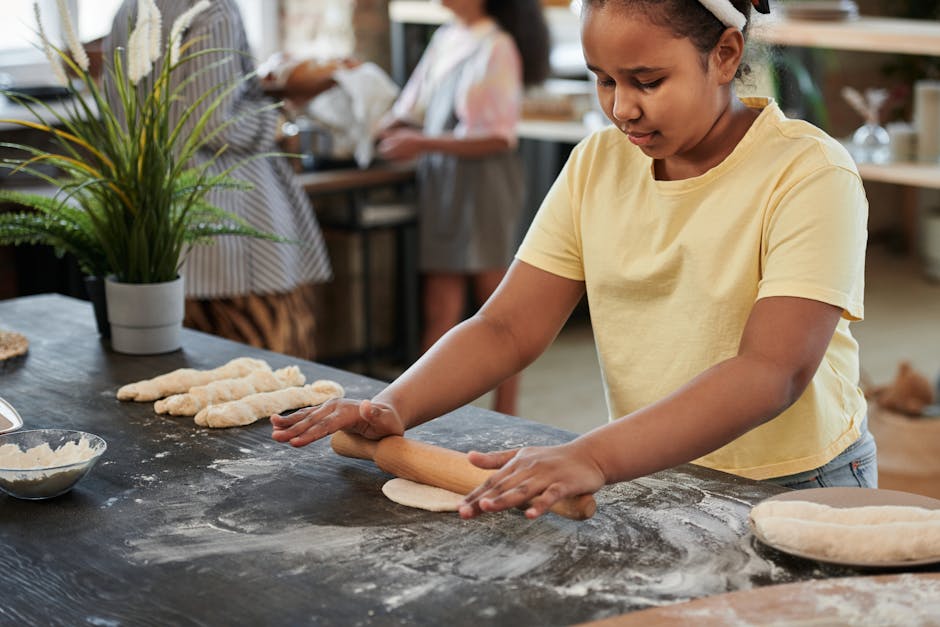
These five dinners have a real track record. Each takes 30 minutes or less, has a kid-control element built in, and reheats well enough to make leftovers worth saving.
- Mini Chicken Tacos (12 minutes): Buy a Costco rotisserie chicken (around $5–7 in the US, £6–8 in the UK). Shred the breast meat, warm it in a pan with half a teaspoon of cumin and a pinch of garlic powder. Set out small corn tortillas, shredded cheddar, sour cream, and salsa in separate bowls. Kids build their own. Nothing gets mixed before it hits the plate.
- Sheet Pan Quesadillas (15 minutes): Lay large flour tortillas on a Nordic Ware half-sheet pan. Add cheese and any filling — leftover chicken works perfectly here. Top with a second tortilla. Bake at 200°C/400°F for 8–10 minutes, no flipping required. Slice into wedges and serve with a bowl of Heinz tomato ketchup or store-bought salsa for dipping. The baked version holds together better than the stovetop version for small hands.
- Blended Tomato Pasta (20 minutes): Cook one carrot until soft. Blend with a can of Hunt’s crushed tomatoes, half a courgette, a tablespoon of olive oil, salt, and one garlic clove. Heat through and toss with pasta. The sauce looks exactly like standard tomato sauce. Use penne or rigatoni — those shapes hold sauce inside and are easier for kids to fork than spaghetti.
- Baked Turkey Meatballs with Spaghetti (28 minutes): Combine 500g ground turkey, one egg, three tablespoons of panko breadcrumbs, salt, and garlic. Roll into golf-ball-sized portions. Bake on a rack at 200°C for 18–20 minutes. Serve with spaghetti and Rao’s Homemade Marinara (around $9 for a 24oz jar in the US — genuinely better than most homemade versions and worth it). Kids control how much sauce goes on their own plate.
- Egg Fried Rice (10 minutes): Day-old rice works better than fresh — fresher rice turns sticky and clumps. Scramble two eggs in a hot Lodge cast iron skillet and push them to one side. Add the cold rice, a tablespoon of Kikkoman soy sauce, and a handful of frozen peas straight from the bag. Stir over high heat for 3–4 minutes. Done. Kids can add extra soy sauce themselves at the table.
| Dinner | Total Time | Kid Control Element | Reheats Well? |
|---|---|---|---|
| Mini Chicken Tacos | 12 min | Builds own taco | Yes (filling only) |
| Sheet Pan Quesadillas | 15 min | Chooses fillings | Yes |
| Blended Tomato Pasta | 20 min | Chooses pasta shape | Yes (add a splash of water) |
| Baked Turkey Meatballs | 28 min | Controls sauce amount | Yes |
| Egg Fried Rice | 10 min | Adds own soy sauce | Yes |
How to Build a 30-Minute Dinner Without Mid-Cook Chaos
The 30-minute dinner does not fail because recipes are too complex. It fails because nothing is staged before cooking starts. You turn on the burner, then spend 12 minutes finding the cumin, opening a can, and remembering where the colander went. That friction is the problem. Removing it matters more than finding a simpler recipe.
The 5-Minute Setup Before You Cook
Before touching the stove, pull out every ingredient you will need. Dice the onion. Measure spices into a small prep bowl. Open the cans. Get the pasta water boiling immediately. This sounds minor until you try it. The actual cooking portion of a 30-minute dinner is typically only 15–18 minutes. The rest is setup friction that happens mid-cook when your attention is split between the pan and the cupboard. Doing all of it before the burners are on compresses the active cooking into one clean, uninterrupted window.
A large cutting board makes this faster. The OXO Good Grips 17×13 inch board (around $35) is big enough to stage all your prep at once without clearing between items. Smaller boards force constant trips to the bin or repeated shuffling, which breaks your pace in a way that adds up significantly across a dinner prep session.
Use the Oven as a Hands-Free Second Burner
Oven cooking is passive. The food sits in there unattended while you do everything else. Start the oven component first — chicken thighs at 200°C take about 25 minutes — then do all your stovetop prep during that same window. When both finish simultaneously, you have not extended total cook time at all. You have run two components in parallel.
This is why sheet pan cooking works so well for family dinners on weeknights. You are not simplifying the recipe — you are parallelising it. Two components cooking simultaneously means one active time window for both. Nordic Ware’s Natural Aluminum half-sheet pans ($15–16 each) are worth buying specifically because they do not warp under high heat the way cheaper pans do. A warped pan pools oil at the edges and produces uneven browning, which affects both texture and visual appeal when you are cooking for kids.
The Components Plating Method
Rather than serving a unified dish where everything is combined in one bowl or plate section, serve each component separately. Protein in one area, carb in another, vegetable on the side. The ingredients are identical to a one-pot meal — the plating is just different. Kids who refuse chicken stew will often eat the same chicken, vegetables, and sauce when none of them are touching each other on the plate.
This works because it removes the visual ambiguity of mixed food. Each item is recognisable on its own. Kids can eat in whatever order they prefer. The perception of control lowers resistance significantly, and you have not changed a single thing about how you cooked the meal.
Why Kids Refuse Dinner Before They Even Taste It
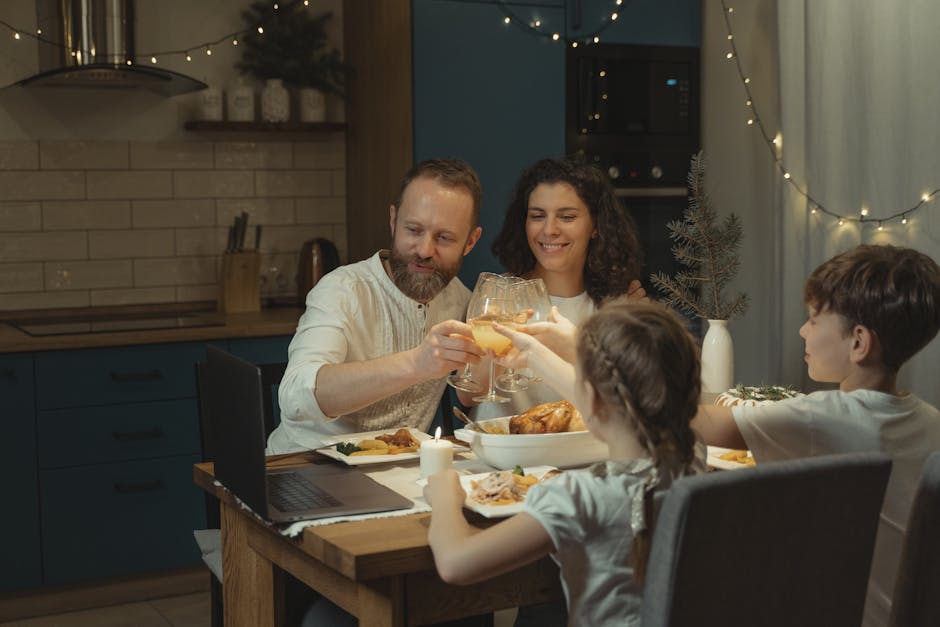
Does how the plate looks actually change whether kids eat?
More than most parents realise, and the research on this is reasonably consistent. Children evaluate food visually before smell or taste enters the picture. Separated, recognisable, brightly coloured food registers as familiar and safe. Food that is mixed together, covered in a uniform sauce, or presented in a colour range of brown and grey triggers a caution response that happens faster than conscious thought. This is not stubbornness — it is sensory processing. Keeping components separate and keeping colours bright communicates edibility before the first bite has happened.
Should you force a reluctant kid to try something new?
No, and the evidence on this is fairly consistent across nutritional research on children. Pressure tactics — the one-bite rule, not leaving the table, linking dessert to trying dinner — build negative associations with the food and with mealtimes generally, without improving long-term acceptance of that food. The Ellyn Satter Division of Responsibility model, which has the strongest research base in this area, holds that parents decide what is offered, when, and where; children decide whether and how much to eat. When adults stay in that lane, children’s eating tends to self-regulate naturally over time.
Practical application: put the unfamiliar food on the plate without comment or pressure. Let it sit there uneaten. Over repeated neutral exposure — typically eight to fifteen sightings across different meals — familiarity builds, and most kids will start engaging with foods they previously refused. The timeline is months, not days. Trying to compress it usually resets the clock.
What if a child only accepts a handful of safe foods?
It is more common than parents typically admit to each other. The approach that works is gradual expansion rather than sudden variety. If the accepted food is buttered pasta, the next version is buttered pasta with a pinch of parmesan. Then parmesan and one small piece of broccoli on the side — not mixed in, just adjacent. Then two pieces of broccoli. Each change is small enough to stay below the threshold of refusal. Moving too fast restarts the process. Moving at the child’s pace takes longer but produces durable change instead of a dinner table battle every night.
Batch Cooking vs. Daily Cooking: What Actually Works for Most Families
| Factor | Batch Cooking (Sunday prep) | Daily Cooking (30-min weeknight meals) |
|---|---|---|
| Weekly time required | 2–3 hrs Sunday + 10–15 min reheating nightly | 25–35 min active cooking × 5 nights |
| Food quality by mid-week | Declines noticeably by Thursday | Consistent — always freshly cooked |
| Kid acceptance rate | Lower — reheated textures change | Higher — food is as originally intended |
| Best suited for | Soups, grains, sauces, slow proteins | Stir-fries, pasta, quesadillas, eggs |
| Fails when | Sunday disappears; kids reject reheated results | Weekday schedule collapses unexpectedly |
The practical middle ground that outperforms both pure approaches: batch the components, not the finished meals. Cook a large pot of rice on Sunday. Roast a tray of chicken thighs. Make a double batch of tomato sauce. Refrigerate everything separately. Then on weeknights, assembling dinner takes 10–12 minutes instead of 25–30 because the slow work is already done. You get the speed benefit of batch cooking and the freshness benefit of daily assembly — without committing fully to either approach.
An Instant Pot Duo 6-quart (around $100) handles rice and sauces hands-free during Sunday prep, which removes the need to monitor the stovetop. You set it, walk away, and come back 25 minutes later. When you are prepping components for five dinners in one session, that unattended time matters considerably.
The One Habit That Predicts Dinner Success More Than Any Recipe
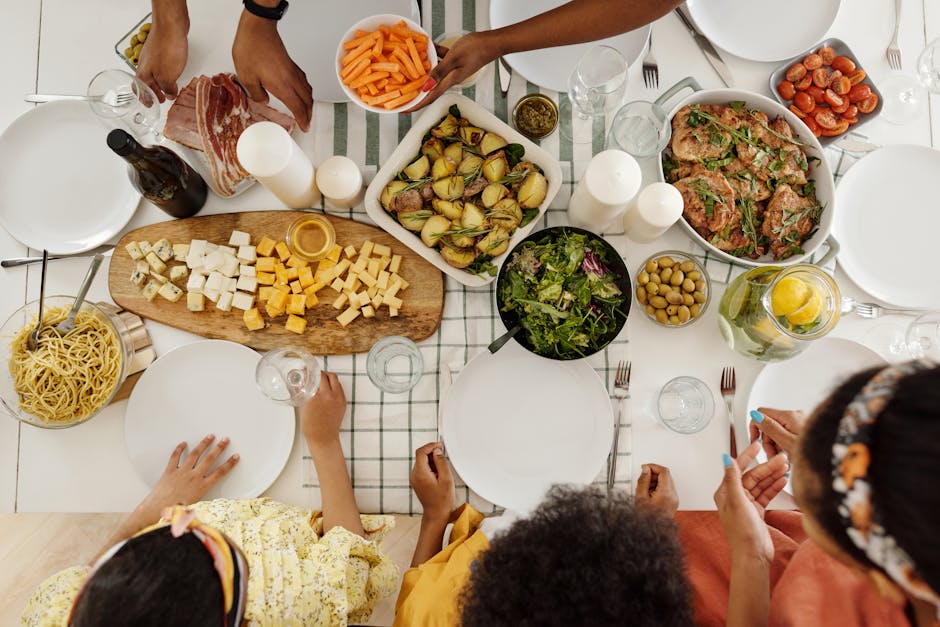
Hunger timing. Kids who snack at 5pm are not hungry enough at 6:30pm to eat anything unfamiliar or unpopular — they will eat what they already love and leave everything else. Close the snack window 90 minutes before dinner, hold that boundary consistently, and the same food that generated a flat refusal last week often gets eaten without comment. You cannot override physiology with recipe quality. Start there before changing anything else.