You have firm pears on the counter, guests arriving later, and no interest in making pastry. Then one pear collapses in the pan, another stays hard in the center, and the syrup tastes like sweet water. Spiced poached pears solve that problem when you control three things: the pear variety, the liquid temperature, and the cooking time. The result is tender fruit with a clear shape, warm spice, and enough syrup to spoon over yogurt, cake, or ice cream.
Choose the Right Pear for Poaching
The best pear for poaching is ripe enough to smell fragrant but firm enough to resist pressure from your thumb. Fully ripe fruit turns soft before the center cooks. Rock-hard fruit can work, but it needs more time and gives up less flavor.
Bosc is the safest choice
Bosc pears have dense flesh and a narrow shape that cooks evenly. Their skin usually holds together, and their flavor stays distinct beside cinnamon, star anise, and citrus. Choose medium pears with no bruises. A medium Bosc usually weighs 170 to 220 grams and takes 25 to 35 minutes at a gentle simmer.
Compare common pear varieties
| Pear | Texture after poaching | Typical time | Best use |
|---|---|---|---|
| Bosc | Firm and smooth | 25 to 35 minutes | Whole or halved pears |
| Anjou | Tender and juicy | 20 to 30 minutes | Halves with cream |
| Bartlett | Very soft and fragrant | 15 to 25 minutes | Quick desserts or purée |
| Comice | Rich and delicate | 15 to 22 minutes | Gentle, lightly spiced syrup |
My pick is Bosc for a first batch. It gives you the widest margin for error. Use Bartlett only when you want a softer dessert and can watch the pan closely.
Build a Poaching Liquid That Tastes Like Autumn
A poaching liquid does more than cook the pears. It becomes the sauce, so every ingredient should earn its place. Water alone softens fruit but produces a thin, flat result. A balanced liquid needs sweetness, acidity, spice, and enough depth to stand up to the pear.
Use a simple four-part ratio
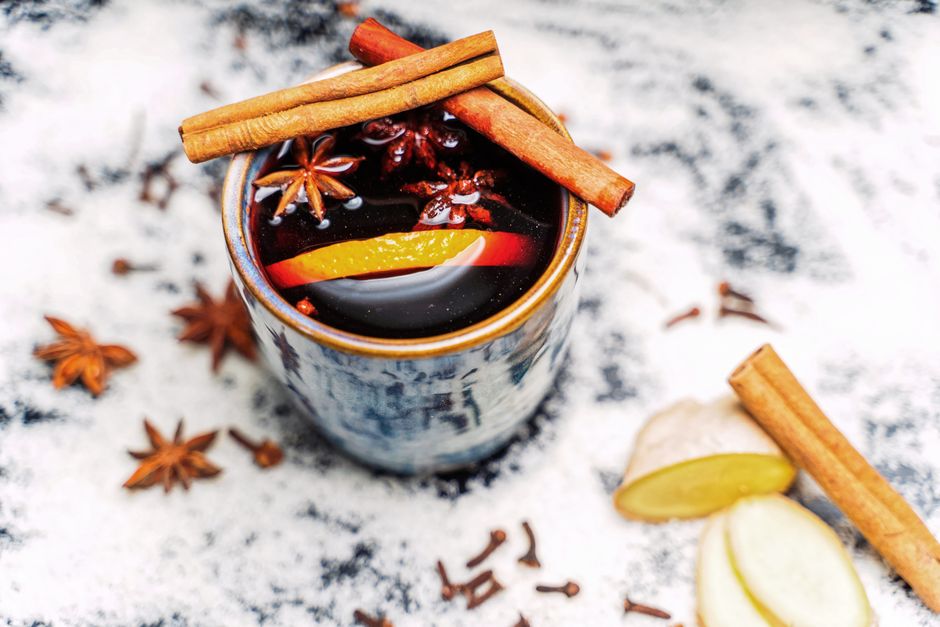
For four medium pears, start with 750 milliliters of liquid, 150 grams of sugar, one cinnamon stick, and two strips of lemon or orange peel. Add two star anise pods, four cloves, and a small piece of fresh ginger if you want a deeper spice profile. The citrus keeps the syrup from tasting heavy. The sugar helps the liquid move into the fruit as it cooks.
Use 500 milliliters of water plus 250 milliliters of dry white wine for a bright, lightly floral syrup. For a non-alcoholic version, replace the wine with unsweetened apple juice. Apple juice makes the dessert sweeter, so reduce the sugar to 100 grams. Red wine gives the pears a dark color and berry-like flavor, but it can hide the delicate taste of ripe fruit.
Keep the heat gentle
Bring the liquid to a boil first, then lower the heat before adding the pears. The liquid should show a few lazy bubbles, not a rolling boil. Strong boiling breaks the outside of the pear while leaving the center firm. Keep the pears mostly covered, and turn them every 10 minutes if the liquid does not reach their top halves.
For the cleanest flavor, steep the spices for five minutes before adding the fruit. Taste the liquid. It should seem slightly too sweet and strongly spiced because the pears will dilute it. If it tastes harsh, add 15 milliliters of lemon juice. If it tastes weak, simmer the liquid for another five minutes before cooking the fruit.
Poach Pears in This Exact Order
Peel, core, simmer, and test. That order keeps the fruit intact and prevents guesswork. Do not rush the first two steps. Uneven peeling creates uneven cooking, and a deep core left inside makes the pear look cooked before the center is tender.
- Peel four medium pears from stem to base, leaving the stems attached if you want a polished presentation.
- Trim a thin slice from the bottom so each pear can stand upright. Remove the core from the base with a small melon baller or narrow knife.
- Place the pears in a single layer in a saucepan. Add the prepared liquid. The pears should be at least two-thirds covered.
- Cut a circle of parchment slightly smaller than the pan and lay it directly on the liquid. This keeps the exposed fruit moist and limits browning.
- Bring the liquid to a boil, reduce the heat immediately, and cook at a gentle simmer for 20 minutes.
- Turn the pears carefully with tongs. Continue cooking for 5 to 15 minutes, depending on size and variety.
- Test the thickest part with a thin knife. It should slide in with slight resistance, like testing a baked potato. If the knife meets a hard center, keep cooking in five-minute intervals.
- Remove the pan from the heat and let the pears cool in the syrup for at least 20 minutes. This improves flavor and gives the fruit time to absorb the spices.
Do not rely on the clock alone. A small Bartlett pear may finish in 18 minutes, while a large Bosc can need 40. The knife test decides when the dessert is ready.
Why Poached Pears Turn Mushy or Stay Hard
Most failed batches come from temperature, fruit condition, or poor timing. The good news is that each problem has a clear fix.
Why did the outside become mushy?
The liquid was probably boiling too hard, or the pears were already fully ripe. Lower the heat until only a few bubbles break the surface. For the next batch, choose fruit that yields slightly near the stem but remains firm around the body. Cut very ripe pears into halves and cook them for less time instead of trying to poach them whole.
Why is the center still hard?
The pears may be too large, the liquid may not cover enough of the fruit, or the simmer may be too low. Add a little hot water if the pan is nearly dry, turn the pears, and continue cooking in five-minute stages. A knife should meet mild resistance, not crunch.
Can the syrup be fixed?
Yes. If the syrup tastes watery, remove the pears and boil the liquid for 8 to 12 minutes until it coats a spoon lightly. If it tastes too sweet, add lemon juice one teaspoon at a time. If the spice tastes dusty or bitter, strain out the cloves and star anise early. Whole spices keep giving flavor as they sit, even after the pears are done.
Never leave the pears unattended during the final stage. The difference between tender and collapsed can be less than five minutes with soft fruit.
Serve Them Warm, Chilled, or With a Better Alternative
Serve spiced poached pears warm with something cold and plain. Thick yogurt, vanilla ice cream, or lightly sweetened whipped cream creates the best contrast. The pear brings warmth and perfume; the topping adds coolness and richness without competing with the spice.
Match the serving style to the texture
Serve whole Bosc pears warm when you want a dinner-party dessert with a clean shape. Halve tender Anjou pears and spoon the reduced syrup over them for a faster, softer plate. Chill the pears overnight when you want a make-ahead dessert. Cold pears become firmer, and the spice tastes more pronounced the next day.
For a simple baked dessert, place a pear half over a slice of plain pound cake and add two tablespoons of syrup. For breakfast, use half a pear with Greek yogurt and toasted walnuts. Avoid adding a heavily flavored cake or strongly spiced granola. Those extras can bury the fruit.
When poached pears are the wrong choice
Do not poach pears when you need a dessert ready in ten minutes. Make a pear crumble instead. Do not choose poaching for fruit that is already bruised, leaking, or very soft. Bake those pears with oats, butter, and brown sugar, where their uneven texture becomes an advantage. Poaching is also a poor fit for anyone who wants a crisp fruit dessert. Choose a fresh pear salad or roasted pear wedges instead.
For most autumn dinners, though, whole Bosc pears remain the best choice. They hold their shape, accept bold spices, and can be prepared several hours ahead.
Make-Ahead Storage and the Final Recommendation
Poached pears improve after resting. Cool them in their syrup, cover the pan, and refrigerate for up to four days. Store the fruit under the liquid so the exposed surface does not darken or dry out. Reheat one pear in a small saucepan over low heat for 6 to 8 minutes, or serve it cold.
Reduce the syrup at the right time
Reduce the syrup after removing the pears, not before. The fruit releases water as it cooks, so reducing early can leave you with a sticky sauce or scorched sugar. Strain the syrup, simmer it until it lightly coats a spoon, then pour it over the pears just before serving.
My clear pick
For an easy autumn fruit dessert, use four firm Bosc pears, a white wine and water syrup, cinnamon, citrus peel, star anise, and a gentle 25-to-35-minute simmer. Test with a knife, cool the pears in their liquid, and serve one warm pear with plain vanilla ice cream or thick yogurt. That method gives you the best balance of shape, tenderness, spice, and preparation time.