What makes a British asparagus tart work?
Are you trying to make asparagus and puff pastry tarts that stay crisp underneath while the vegetables remain tender? The secret is balance: a thin pastry base, a small amount of moisture, and asparagus cut to the right size for the baking time.
The three parts of a good tart
Puff pastry brings fat, lift, and crunch. Asparagus brings a grassy flavour and a firm bite. The topping needs one creamy ingredient to join them, such as soft cheese, crème fraîche, or a beaten egg mixture. Use too much cream and the pastry steams. Use no binder at all and the asparagus can slide off the pastry when you cut it.
For a British spring starter, keep the flavour clean. Lemon zest, black pepper, chives, mint, and a little mature Cheddar all work well. Strong spices can hide the asparagus, so save smoked paprika or chilli for a small finishing touch.
Choose the right asparagus
Look for spears with tight tips, smooth skin, and ends that are not split or shrivelled. Thin spears cook quickly and look elegant on individual tarts. Thick spears have a meatier bite, but they need trimming and a short pre-cook. Snap or cut away the woody bottom 2 to 4cm, then halve thick spears lengthways.
The best starter has contrast: flaky pastry, soft filling, and asparagus that still offers a little resistance. That contrast matters more than adding expensive cheese or decorative herbs.
Which pastry and tools should you buy?
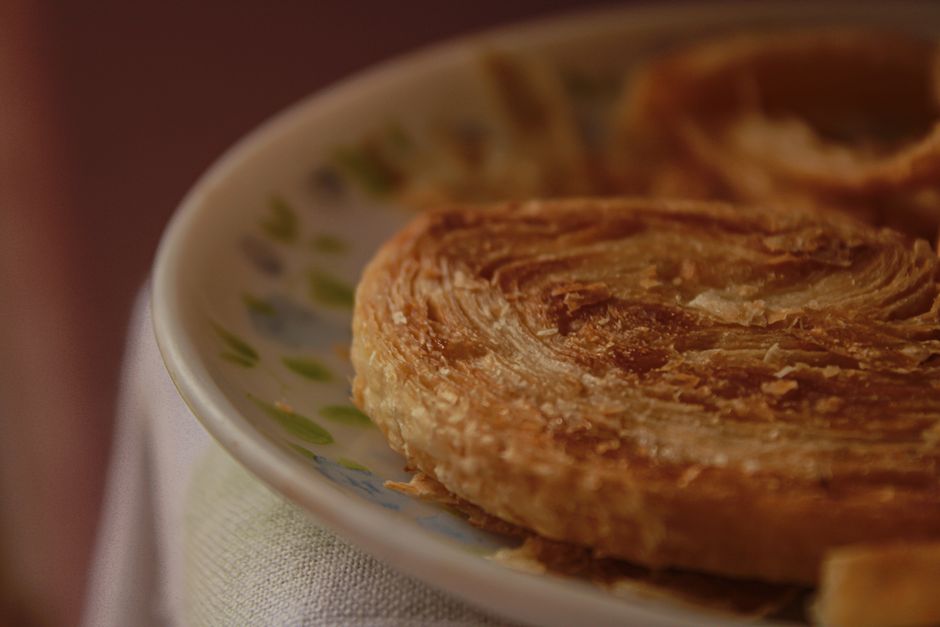
Best overall choice: buy a ready-rolled all-butter sheet when you want the richest flavour, but choose a standard Jus-Rol sheet for the best balance of cost, speed, and reliable lift. Prices below are 2026 shelf references and can change between stores or promotions.
Pastry and equipment price snapshot
| Product | Size or specification | Listed price | Verdict |
|---|---|---|---|
| Jus-Rol Ready Rolled Puff Pastry Sheet | 320g, baking-paper backed, vegan | £1.90 | Best easy everyday buy |
| Tesco Finest Ready Rolled All Butter Puff Pastry | 320g, all-butter sheet | £2.50 | Best flavour upgrade |
| Jus-Rol Gluten Free Ready Rolled Puff Pastry Sheet | 280g, gluten-free sheet | £2.45 | Best for gluten-free guests |
| Tala Rolling Pin | 40cm beech wood | £3.50 | Useful for fixing uneven edges |
| Tala Pastry Brush | FSC-certified beech wood | £3.50 | Best for an even egg wash |
The standard Jus-Rol sheet is my clear pick for a first batch because the 320g size gives enough pastry for six generous starter portions and it already sits on baking paper. The Tesco Finest sheet costs only 60p more at the listed price, so choose it when buttery flavour matters more than keeping the budget tight. A gluten-free sheet is worth buying only when someone needs it; do not swap it in casually, because gluten-free pastry can crack and often needs gentler handling.
How do you assemble asparagus and puff pastry tarts?
Start with a cold sheet of pastry and a hot oven. Puff pastry rises when the butter or fat turns to steam quickly, so warm pastry loses definition before it reaches the heat. Set the oven to 220°C, or 200°C fan, and place a heavy baking tray inside while it heats. A hot tray gives the base an early blast of heat and reduces the chance of a pale, soft bottom.
Step 1: Cut and dock the pastry
Unroll the pastry and cut it into six rectangles, about 10cm by 7cm. Move the rectangles to a sheet of baking paper. Use a sharp knife to score a border about 1cm from each edge, but do not cut all the way through. Prick the centre area six or seven times with a fork. The border should rise while the centre stays flat enough to hold the filling.
Step 2: Build a dry filling
Blanch thick asparagus for 60 to 90 seconds, then cool it under cold water and dry it very well. Thin spears can go on raw. Mix 120g soft cheese with one egg yolk, 1 teaspoon of lemon zest, black pepper, and a small pinch of salt. Spread about 1 tablespoon inside each pastry border. Leave the scored edge clear. Lay two or three asparagus pieces on top, pointing in the same direction, and finish with a little grated Cheddar or hard cheese.
Step 3: Bake and serve
Brush only the border with beaten egg. Egg on the centre can make the filling slippery, while egg on the edge gives the golden finish you want. Slide the paper onto the hot tray and bake for 18 to 22 minutes. The border should be tall and deep golden, not merely pale yellow. If the centre still looks wet, give the tarts another 3 minutes on the lower oven shelf. Rest them for 5 minutes before serving with dressed leaves, watercress, or a sharp lemon salad.
Which mistakes cause soggy or burnt tarts?
The most useful way to protect this recipe is to treat moisture and heat as the two things that can ruin it. Check these points before the tray goes into the oven.
The five-point failure check
- Wet asparagus: blanched spears hold surface water, and that water turns to steam under the filling. Dry them with a clean tea towel before placing them on the pastry.
- Too much filling: a thick layer of cheese or egg looks generous but blocks the heat reaching the base. Keep the filling inside the scored border and use roughly 1 tablespoon per tart.
- Warm pastry: pastry left on a sunny worktop becomes soft and sticky. Chill the cut rectangles for 10 minutes if they lose their shape.
- A blunt knife: pressing down on the pastry seals the layers at the edge. Use a sharp blade and cut straight down in one motion.
- A crowded tray: six tarts packed tightly together trap steam. Leave at least 2cm between them so hot air can reach the sides.
- Opening the oven early: the layers need time to set their shape. Keep the door closed for the first 15 minutes, then check the colour and rotate the tray if your oven has a hot side.
Do not rescue an underbaked tart by adding more cheese on top. Return it to the oven instead. Extra topping hides the problem and makes the centre wetter.
My verdict: spend on butter, not decoration
For the best British spring starter, use one good pastry sheet, a small amount of soft cheese, and fresh asparagus rather than spending on elaborate toppings. The Tesco Finest all-butter sheet is the strongest flavour choice when you are serving guests, because its richer pastry can carry a simple filling without tasting flat. For family cooking or a larger batch, the £1.90 Jus-Rol Ready Rolled Puff Pastry Sheet is the better buy. Its 320g size is easy to divide, and the attached baking paper removes one annoying preparation step.
When not to buy the premium sheet
Do not pay extra for all-butter pastry if the tarts will carry a powerful topping such as blue cheese, caramelised onion, or smoked salmon. Those flavours dominate the pastry, so the cheaper standard sheet gives almost the same eating result. Choose the Jus-Rol Gluten Free 280g sheet only for a genuine gluten-free requirement, then keep the filling light and avoid stretching the pastry because it can split more easily.
The simple serving plan
Make six rectangles from one 320g sheet, serve one tart per person, and pair them with dressed leaves rather than potatoes or bread. That keeps the pastry crisp and makes the starter feel light. Finish with lemon zest after baking, not before; fresh zest has a brighter aroma and does not burn on the tray.
Asparagus tart questions answered
Can I prepare the tarts ahead?
Yes. Cut and score the pastry, then refrigerate the pieces for up to 4 hours on baking paper. Prepare the asparagus separately and keep it dry in a covered container. Add the filling just before baking. Fully assembled uncooked tarts can sit for about 30 minutes in the refrigerator, but longer storage lets the filling soak into the pastry and weakens the base.
Should I use green or white asparagus?
Green asparagus is the easiest choice because it cooks quickly and gives the tart its familiar spring colour. White asparagus has a thicker skin and a more delicate, slightly bitter flavour. Peel the lower half, simmer it until tender, dry it carefully, and cut it into short pieces before using it. It works best in a flatter tart with a thin layer of crème fraîche.
Why did my pastry rise everywhere?
The centre probably was not docked, or the border score was too shallow to guide the rise. Prick only the centre section and press the filling gently into that area. If the pastry still balloons, place a small piece of baking paper over the centre and add a light ovenproof weight for the first 8 minutes, then remove it and finish the bake.
The key to crisp asparagus and puff pastry tarts is simple: keep the pastry cold, keep the asparagus dry, and bake the assembled starter on a properly hot tray.