Why does a classic Bakewell tart sometimes leave the oven with a soggy base, a cracked almond filling, or jam that disappears into the pastry? The answer usually comes down to temperature, moisture, and timing rather than difficult pastry work. Use a 23 cm loose-bottom tart tin, chill the pastry before baking, spread the jam thinly, and give the frangipane enough time to set in the centre.
What makes a Bakewell tart set properly?
The pastry must form a dry barrier
A Bakewell tart has three layers: shortcrust pastry, jam, and frangipane. The pastry needs to bake before the wet filling goes in. That first bake firms the flour and fat, drives off surface moisture, and creates a barrier between the jam and the base. If you skip blind baking, the jam soaks into the dough while the frangipane cooks, so the edges may look done while the centre stays soft and greasy.
Use cold butter and keep the pastry thickness close to 3 mm. A thick base takes too long to cook through; a thin base can crack when you lift the tart from the tin. Chill the lined tin for at least 30 minutes. This gives the butter time to firm up and reduces shrinkage in the oven.
Frangipane needs a gentle, complete bake
Frangipane is an almond cake mixture made from butter, sugar, eggs, and ground almonds. It should rise slightly, turn golden, and feel springy when pressed in the middle. A skewer may still pick up a few moist crumbs, but it should not show liquid batter.
The tart keeps cooking from its own heat after it leaves the oven. Remove it when the centre has a small, soft wobble rather than waiting for a hard surface. Overbaking makes the almond layer dry and causes deep cracks as it cools. The reliable target is a golden top with a centre that springs back slowly after a light touch.
Which pastry, jam, and frangipane ratios work best?
The most dependable formula uses enough pastry to hold the filling without making the base heavy, enough jam to give a clear fruit layer, and equal weights of butter and sugar in the frangipane. The figures below suit a 23 cm tart tin with a removable base.
| Component | Ingredient amounts | Target thickness or weight | Reason |
|---|---|---|---|
| Shortcrust | 225 g plain flour, 110 g cold butter, 35 g icing sugar, 1 egg yolk, 1 to 2 teaspoons cold water | 3 mm pastry, about 350 g dough | Thin enough to bake crisp, strong enough to lift |
| Jam layer | 120 g raspberry or strawberry jam | 2 to 3 mm spread | Clear fruit flavour without adding excess water |
| Frangipane | 125 g butter, 125 g caster sugar, 150 g ground almonds, 2 large eggs, 20 g plain flour | About 2 cm deep before baking | Enough structure for clean slices |
| Oven | 190 C conventional or 170 C fan for blind baking; 170 C conventional or 150 C fan for filling | 45 to 55 minutes total | High heat sets pastry, lower heat cooks the almond centre |
Choose jam that spreads instead of running
Use a smooth, fairly thick jam. Raspberry gives the sharpest contrast to the sweet almond filling, while strawberry tastes softer and more familiar. If the jam is very loose, warm it in a small pan for 1 to 2 minutes, then cool it until spreadable. Do not pour hot jam into the pastry case. Heat can soften the butter in the base before the second bake.
Keep the frangipane balanced
Ground almonds add fat and moisture, so the extra 20 g of flour helps the filling hold its shape. Beat the butter and sugar until smooth, but do not whip in a large amount of air. Add the eggs gradually. If the mixture looks curdled, mix in a spoonful of the ground almonds before adding the rest. The finished filling should be thick enough to mound briefly on a spoon.
How do you bake a classic Bakewell tart step by step?
Follow the order below. The process takes time because each layer needs a different temperature, but none of the stages requires advanced pastry skill.
Prepare and blind bake the pastry case
- Mix 225 g plain flour with 35 g icing sugar. Rub in 110 g cold butter until the mixture resembles fine breadcrumbs.
- Stir in 1 egg yolk and enough cold water to make the dough hold together. Stop mixing as soon as there are no dry patches.
- Flatten the dough into a disc, wrap it, and chill it for 30 minutes.
- Roll the pastry to about 3 mm thick and line a 23 cm loose-bottom tart tin. Press it into the corners without stretching it.
- Trim the edge, prick the base lightly with a fork, and chill the lined tin for another 30 minutes.
- Heat the oven to 190 C conventional or 170 C fan. Line the pastry with baking paper and fill it with ceramic baking beans or uncooked rice.
- Bake for 15 minutes, remove the paper and weights, then bake for another 5 minutes. The base should look dry but still pale.
Add the filling and finish the bake
- Spread 120 g jam over the warm pastry case, leaving a narrow border around the edge.
- Beat 125 g softened butter with 125 g caster sugar. Add 2 eggs one at a time, then mix in 150 g ground almonds, 20 g flour, and 1 teaspoon almond extract.
- Spoon the frangipane over the jam and spread it carefully to the edges. Avoid dragging the jam through the almond mixture.
- Reduce the oven to 170 C conventional or 150 C fan. Bake for 30 to 35 minutes, then check the centre.
- Cover the tart loosely with foil if the top browns before the middle sets. Cool it in the tin for 20 minutes before transferring it to a rack.
Let the tart cool completely before icing or slicing. Warm frangipane cuts poorly and can make a properly baked base seem underdone.
Why did my Bakewell tart turn soggy, crack, or sink?
Most Bakewell tart problems have a visible cause. Check the symptom first, then change one part of the method instead of changing every ingredient at once.
Why is the pastry base soggy?
A soggy base usually means the pastry case was not baked long enough before the filling went in, the jam layer was too thick, or the tart was sliced while warm. The blind-baked shell should look dry across the centre, not glossy. Keep jam to about 120 g for a 23 cm tin. If the jam contains a lot of liquid, reduce it briefly in a saucepan and cool it before spreading. For extra insurance, brush the baked pastry with a thin layer of beaten egg and return it to the oven for 2 minutes before adding the jam.
Why did the frangipane crack?
A crack across the surface usually means the oven was too hot or the tart stayed in too long. Frangipane expands as the egg sets, then contracts as it cools. Bake at the lower temperature after adding the filling and cover the top with foil if it colours early. A few shallow cracks are harmless and often disappear under icing, but a deep split with wet filling underneath means the centre needed more time.
Why did the middle sink?
A slight dip is normal because the almond filling loses steam as it cools. A large collapse points to underbaking, too much liquid from the jam, or overmixing after the eggs were added. Check the middle with a gentle finger press rather than relying only on the colour of the edges. If the centre feels liquid, bake for another 5 minutes and check again. A tart that sinks but is fully cooked can still taste good; a tart with a wet centre needs more oven time.
How should you cool, store, and serve Bakewell tart?
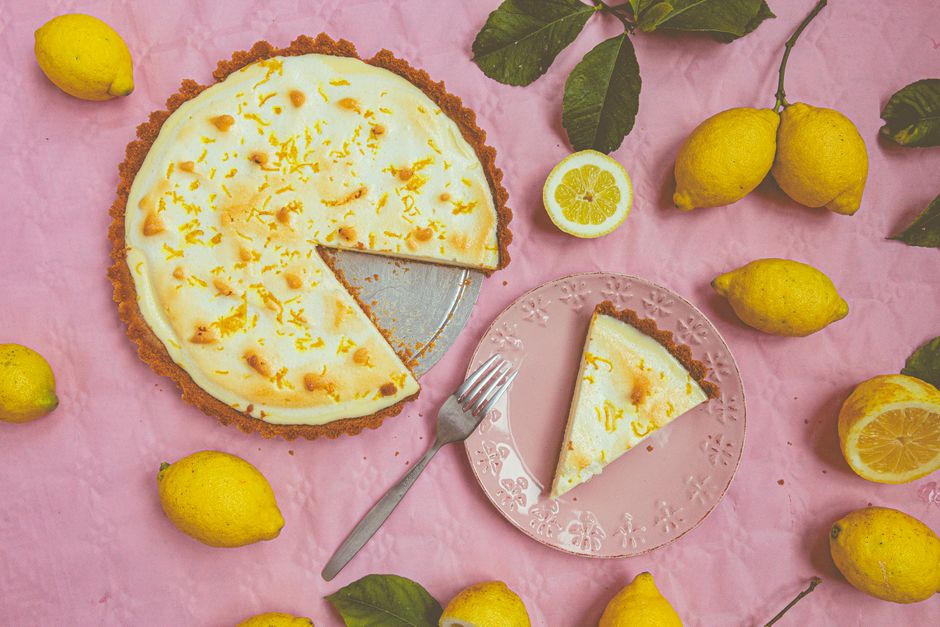
Cool the tart completely before judging its texture. The frangipane continues to firm as it loses heat, and the jam thickens as it reaches room temperature. Cutting too early is the most common reason a successful bake appears runny.
Use the right cooling and storage times
| Stage | Time | Best action |
|---|---|---|
| In the tin | 20 minutes | Let the pastry firm before removing the ring |
| On a cooling rack | At least 2 hours | Cool completely before icing or slicing |
| Room-temperature storage | Up to 2 days | Keep covered in a cool, dry room |
| Refrigerated storage | Up to 5 days | Wrap tightly and bring to room temperature before serving |
| Freezer storage | Up to 2 months | Freeze unsliced or in portions, then thaw overnight |
Choose the best way to serve it
Serve thin wedges at room temperature for the clearest almond and fruit flavour. A simple water icing made with icing sugar and a few drops of lemon juice gives the traditional finish, but it is optional. Toasted flaked almonds add crunch after baking; do not add them before the tart goes into the oven unless they are covered, because they can burn.
For a softer winter dessert, serve a warmed slice with lightly whipped cream. For a cleaner afternoon-tea slice, keep the tart cool and use a sharp serrated knife. The single most important takeaway is this: blind-bake the pastry, keep the jam thin, and cool the tart fully before slicing.