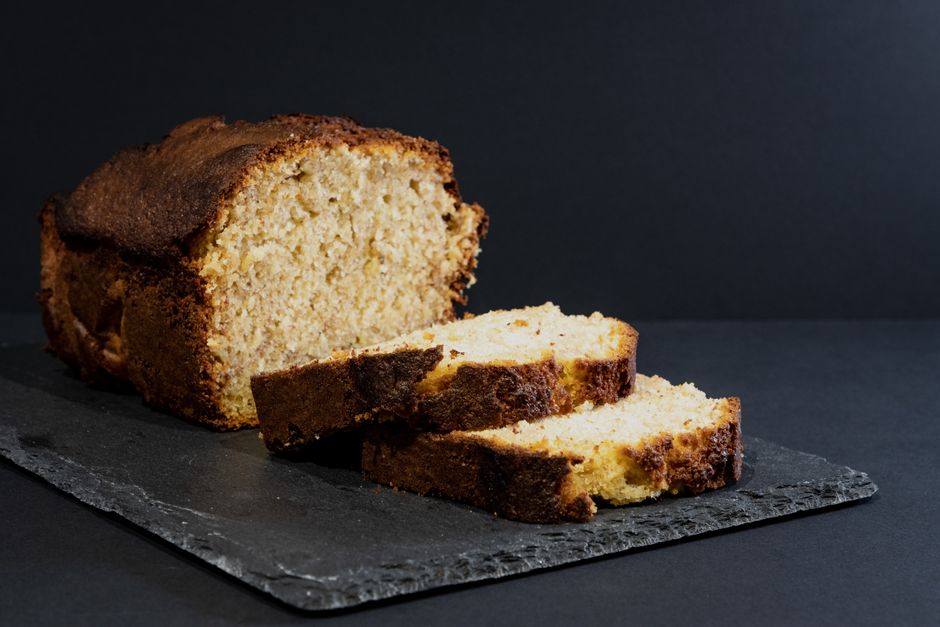
You buy a small net of Seville oranges in January, use two for marmalade, and then watch the rest sit in the fruit bowl. This loaf cake solves that problem. It uses the oranges while their sharp juice and fragrant peel are still available, but keeps the finished cake soft enough for breakfast rather than bitter enough for punishment.
Why Seville oranges belong in a January loaf
Verdict: bake this cake during the short Seville orange season, not with ordinary sweet oranges if you want a serious marmalade flavour. Seville oranges bring three useful things to a loaf: bitter peel, high acidity, and a strong floral scent that survives baking. Sweet oranges give a pleasant cake, but they lack the edge that makes marmalade taste like marmalade.
The short season changes the recipe
Fresh Seville oranges usually appear in UK shops from late December into February, with January often offering the best choice. Their season is brief because they are grown mainly for processing rather than everyday snacking. The fruit may look rough, small, or slightly green. That does not make it poor baking fruit. A heavy, aromatic peel matters more here than a smooth appearance.
Buy firm fruit with a clear citrus smell. Avoid oranges with soft wet patches, deep mould, or peel that feels hollow. Four medium oranges usually provide enough zest and juice for this cake, with some left for another batch or a quick glaze.
Why the bitterness works
A loaf cake needs contrast. Butter, sugar, and flour make a rich, mild base. Seville orange peel cuts through that richness, while the juice keeps the crumb from tasting flat. The bitter notes also stop the marmalade from reading as simple orange jam.
That balance is the reason this bake suits January. After weeks of heavy holiday food, a sharp citrus cake feels brighter without turning into a thin, airy sponge. The best version has a close crumb, visible orange flecks, and a clean bitter finish that fades after one or two seconds.
How to tame Seville orange bitterness before mixing
The common mistake is treating Seville oranges like eating oranges. Their peel contains more bitter compounds, and the white pith adds another layer of bitterness. You do not need to remove every trace of pith, but you do need to control how much enters the batter.
- Wash and dry the fruit. Scrub the peel under warm water, then dry it well. You are removing surface wax and dirt before zesting.
- Zest only the coloured skin. Use a fine grater and stop when the pale white layer appears. One to two teaspoons of fine zest gives a strong flavour without turning the cake harsh.
- Cut the fruit and remove the seeds. Seville oranges often contain more seeds than sweet oranges. Pick them out before squeezing, because a broken seed can add an unpleasant sharp taste.
- Measure the juice. Use 30ml in the batter. Extra juice can make the mixture loose and can weaken the cake’s structure.
- Chop large pieces of peel. If your marmalade contains wide strips, cut them into pieces no larger than 5mm. Large strips drag through the crumb and leave bitter pockets.
- Keep the oven temperature steady. Overbaking concentrates the bitter edge as moisture leaves the cake. A 900g loaf tin at 180C conventional or 160C fan gives the batter enough time to set without drying it out.
Do not boil the fresh zest for this cake
That step belongs to marmalade making, where cooks soften peel in water before adding sugar. For a loaf cake, freshly grated zest gives a clearer aroma. If you boil it first, you lose some of the bright top notes and add an unnecessary task.
Use the pith as a warning, not a forbidden ingredient
A tiny amount of pith will not ruin the loaf. The problem comes from scraping a thick white layer into the bowl or adding long chunks of peel from a chunky preserve. When the finished cake tastes aggressively bitter, the usual cause is too much pith or too much marmalade, not the Seville orange itself.
Which ingredients give the loaf a moist crumb
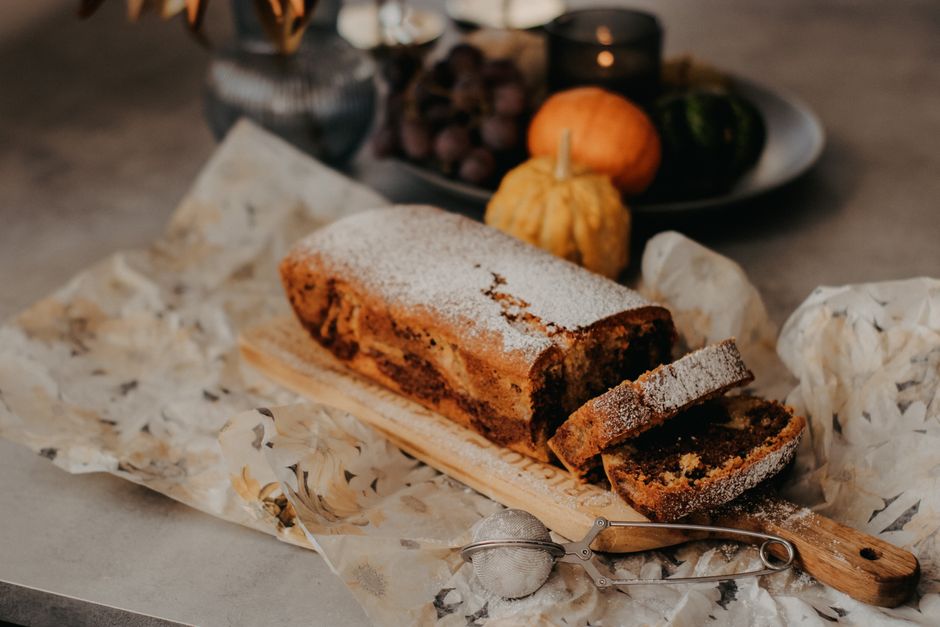
This is a formula, not a vague list of ingredients. The balance below makes one 900g loaf, enough for 8 to 10 slices. Measure the flour and sugar in grams. Cups are too loose for a cake with this much marmalade.
| Ingredient | Amount | What it does |
|---|---|---|
| Unsalted butter | 150g, softened | Builds richness and keeps the crumb tender |
| Light brown sugar | 150g | Adds moisture and a mild caramel note |
| Seville orange marmalade | 180g | Provides citrus flavour, sugar, and pectin |
| Large eggs | 3, about 165g without shells | Sets the structure and holds the batter together |
| Plain flour | 220g | Forms the cake’s main structure |
| Baking powder | 2 teaspoons, about 8g | Gives the loaf lift |
| Greek yogurt | 80g | Adds moisture and soft acidity |
| Seville orange zest | 2 teaspoons | Adds fresh peel aroma |
| Seville orange juice | 30ml | Sharpens the flavour and loosens the batter |
| Fine salt | 1/4 teaspoon | Stops the sweetness tasting dull |
Which marmalade should you choose?
For a first bake, Tiptree Seville Orange Marmalade is the strongest choice because its 340g jar gives enough preserve for the cake and a glaze, while the peel is usually fine enough to distribute through the crumb. Use 180g in the batter and save the rest for toast or glazing.
If you prefer a smoother, sweeter preserve, Bonne Maman Orange Marmalade works, but the cake will taste less bitter and more rounded. That is not a fault. It is the better pick for children or anyone who dislikes sharp marmalade.
Keep the sugar simple. Silver Spoon Caster Sugar dissolves quickly, but light brown sugar gives the loaf more moisture and colour. A mix of 100g light brown sugar and 50g caster sugar produces a slightly cleaner citrus taste.
Two useful tips break up the shopping decisions. Bring the eggs, butter, and yogurt to room temperature before mixing. Also, do not add extra marmalade because the batter looks plain; the preserve contains water and sugar, and too much can leave a wet band near the base.
If you want vanilla, add 1 teaspoon of Nielsen-Massey Pure Vanilla Extract. It rounds off the bitter peel, but it should stay in the background. Orange must remain the main flavour.
How to bake the loaf without a sunken middle
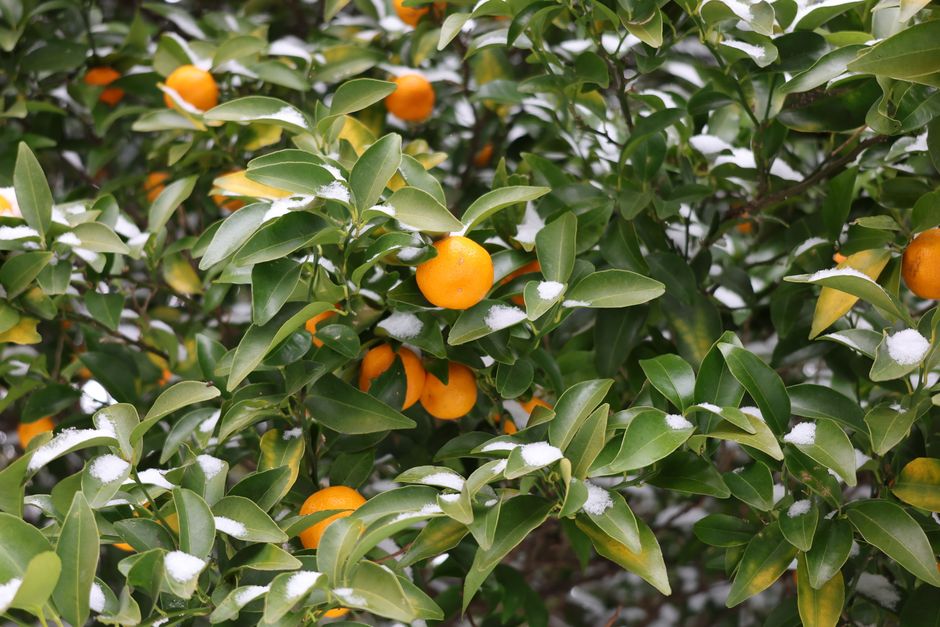
Preparation controls most of the result. Grease a 900g loaf tin and line it with baking paper, leaving enough paper over the long sides to lift the cake out later. Heat the oven to 180C conventional or 160C fan. Do not rely on the oven’s light or on a quick preheat beep; the temperature needs to be stable before the tin goes in.
Mix the batter in the right order
Beat the softened butter, light brown sugar, and orange zest for 2 to 3 minutes. The mixture should look lighter, but it will not become as pale as a plain sponge because of the brown sugar. Beat in the marmalade. Add the eggs one at a time, scraping the bowl after each addition.
In a separate bowl, stir the flour, baking powder, and salt. Mix the yogurt and orange juice together. Add one-third of the dry ingredients to the butter mixture, then half the yogurt mixture. Repeat, finishing with the dry ingredients. Stop mixing as soon as no dry flour remains.
This order matters. Adding all the juice at once can split the batter. Adding flour in one dump encourages overmixing, which makes a rubbery loaf. A few tiny streaks of marmalade are welcome; a thick pocket of preserve is not.
Bake by signs, not just by the clock
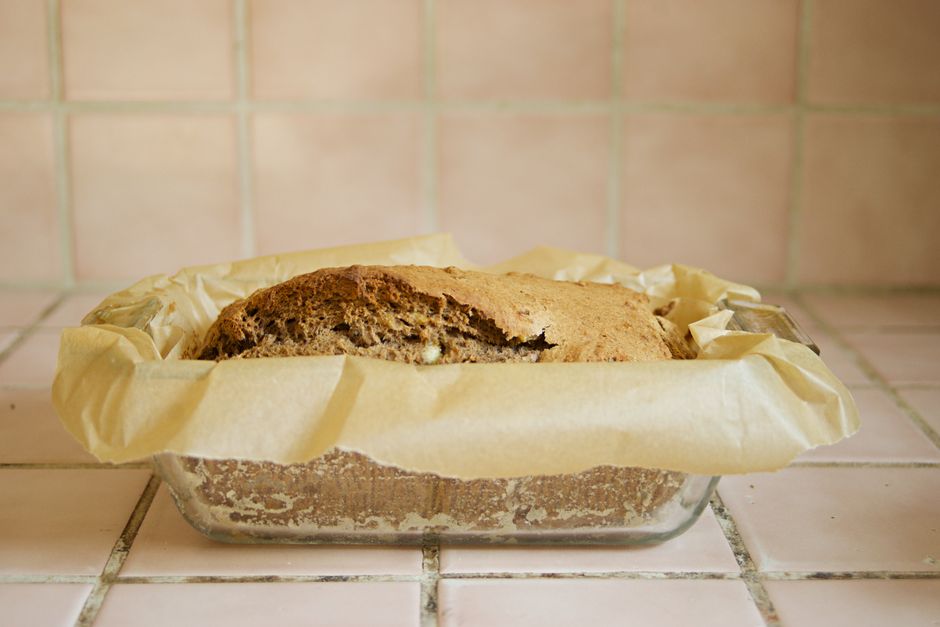
Spoon the batter into the tin and level the top. Bake for 50 to 60 minutes. Start checking at 48 minutes. The loaf is ready when the centre springs back lightly, a skewer comes out with a few moist crumbs, and the internal temperature reaches about 96C to 98C.
If the top browns before the centre sets, lay foil loosely over the loaf after 35 minutes. Do not press it down, or the rising cake may stick to it. Leave the cake in the tin for 15 minutes after baking, then lift it onto a rack. Cutting it while hot compresses the crumb and makes a good cake look underbaked.
Finish with a thin marmalade glaze
Warm 60g marmalade with 1 tablespoon of water in a small pan. Stir until loose, then brush it over the warm loaf. A thin coat gives shine and extra orange aroma. A thick coat sinks into the crust, turns sticky, and can make the top taste sweeter than the crumb.