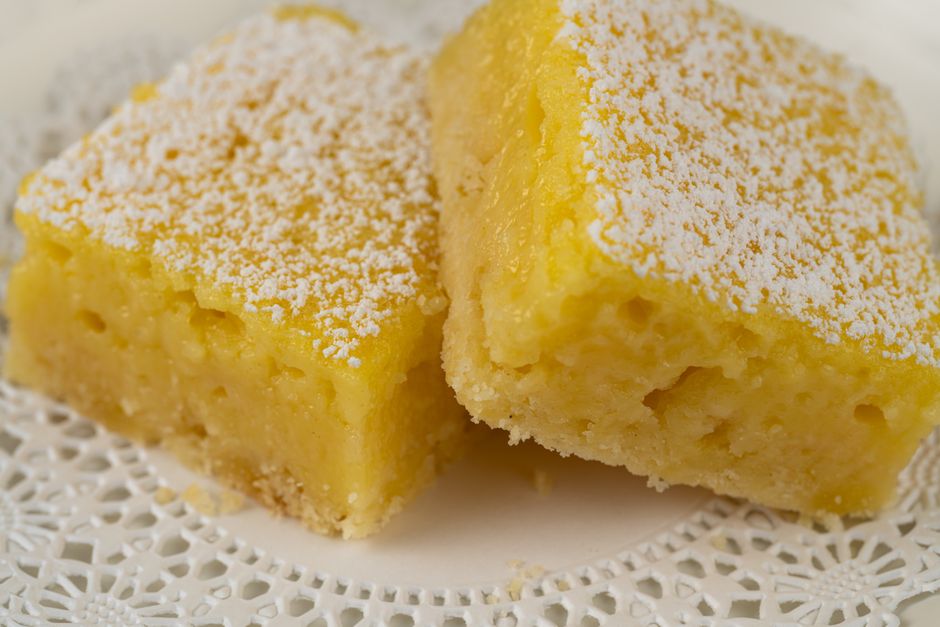
These lemon and sugar crepe-style cupcakes borrow the thin batter, buttery edges, and sharp citrus finish of a Pancake Day crepe. The best version stays tender in the middle without turning wet, rubbery, or overly sweet.
Why crepe-style cupcakes need a thinner batter
The best texture comes from a shallow bake, not a tall cupcake rise. Traditional cupcakes rely on creaming or a large amount of raising agent to create a high, fluffy crumb. A crepe-style cupcake needs a different balance: enough flour and egg to set the shape, but enough milk and melted butter to keep the middle soft and the edges fine.
The thin-batter principle
Crepes cook quickly because their batter spreads into a thin layer. In a cupcake tin, the batter cannot spread across a pan, so the wells must stay only partly filled. Use eight standard muffin wells rather than filling all twelve to the rim. That gives each portion room to form a lacy edge while keeping the centre shallow enough to bake through. A short resting time also helps. Fifteen minutes lets the flour absorb liquid, which reduces a raw flour taste without making the batter heavy.
| Ingredient | Amount | What it does |
|---|---|---|
| Plain flour | 140 g | Builds enough structure for each cupcake to lift out cleanly |
| Large eggs | 2 | Sets the centre and adds colour at the edges |
| Whole milk | 180 ml | Keeps the crumb soft and gives the batter a crepe-like flow |
| Melted butter | 35 g | Adds richness and helps the rims brown |
| Granulated sugar | 2 tablespoons in batter, plus more to finish | Balances the lemon and encourages light browning |
| Lemon zest | Finely grated zest of 2 lemons | Provides lemon flavour without adding excess liquid |
What the lemon and sugar do
Lemon juice belongs on the finished cupcakes rather than in a large quantity of batter. Too much juice thins the mixture and can make the centre set slowly. Zest carries the fragrant oils, while a small squeeze of juice adds brightness after baking. Sprinkle the sugar while the cakes are still warm, then add lemon juice drop by drop. The crystals partly dissolve and partly remain crunchy, creating the familiar Pancake Day contrast between tart juice and sweet sugar. This balance is the reason the recipe works better with ordinary granulated sugar than with icing sugar, which disappears too quickly.
How to bake lemon and sugar crepe-style cupcakes

Use high heat for a short bake. That gives the outer edge enough colour before the shallow centre loses its softness. A lower oven may leave the tops pale and the middle damp.
Mix the batter correctly
- Place 140 g plain flour, 2 tablespoons granulated sugar, and a pinch of fine salt in a bowl.
- Whisk 2 eggs with 180 ml whole milk, 35 g melted butter, and the finely grated zest of 2 lemons.
- Pour the liquid into the flour mixture. Whisk just until no dry pockets remain. A few tiny lumps are fine; continued mixing can make the cupcakes chewy.
- Leave the batter for 15 minutes. During this rest, heat the oven to 200°C, or 180°C fan,.
Bake the shallow cups
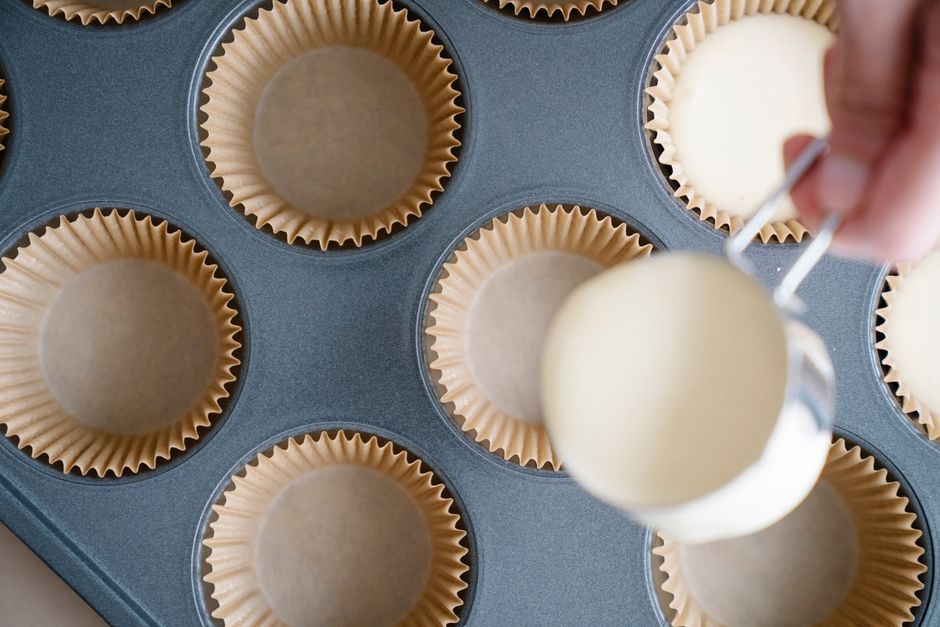
- Grease eight standard muffin wells. For the crispest edges, grease the metal surface directly instead of using tall paper cases.
- Stir the rested batter once, then pour about 55 ml into each prepared well. The batter should sit below the rim.
- Bake for 14 to 16 minutes. The edges should be golden, and the centres should spring back after a light touch.
- Cool for 5 minutes, then loosen the edges with a thin knife. Move the cupcakes to a rack before adding the finish.
- For each cupcake, add about 1 teaspoon lemon juice and 1 teaspoon granulated sugar. Apply the juice sparingly so the surface tastes fresh rather than wet.
Do not open the oven during the first 10 minutes. The sudden temperature change can flatten the centre before the egg has set. The finished cakes will be flatter than a normal cupcake, and that is the intended result: thin, tender, and easy to eat with a fork or fingers.
What makes crepe-style cupcakes soggy or rubbery
The most common mistake is treating this batter like a standard cupcake mixture. These cakes fail when the wells are overfilled, the batter contains too much juice, or the bake ends before the centre has set. Small changes matter because the recipe uses a high liquid ratio to create its thin texture.
Why the centres stay wet
Wet centres usually come from three causes: using lemon juice in place of some of the milk, filling all twelve wells with the full batch, or removing the tray as soon as the edges colour. Lemon juice adds water and acid but no structure. Twelve full portions become thicker than the recipe can support, so the outside looks ready while the middle remains loose. If the centres still wobble after 16 minutes, return the tray to the oven for 3 to 5 minutes at 180°C fan. Do not raise the heat sharply, because the edges may burn before the middle catches up.
How to avoid a rubbery or sunken result
- Do not overmix. Stop as soon as the flour disappears. Excess mixing develops gluten and creates a springy bite.
- Do not skip the rest. Unrested batter can bake with a gritty flour taste and uneven texture.
- Measure flour by weight. A heavily packed cup can add 20 to 30 g more flour, turning a light batter dense.
- Use room-temperature eggs and milk. Cold liquid can make melted butter seize into small lumps and distribute unevenly.
- Grease the tin thoroughly. The sugar finish cannot rescue a cake that tears away from the pan.
- Wait before adding juice. Lemon juice on a hot tray can soak into the base and soften the edge.
If a batch has already gone soft, place the cupcakes on a rack and warm them at 160°C for 4 minutes. They will not regain a crisp rim completely, but the centre will become more pleasant and the lemon flavour will remain clear.
How to serve and store them on Pancake Day
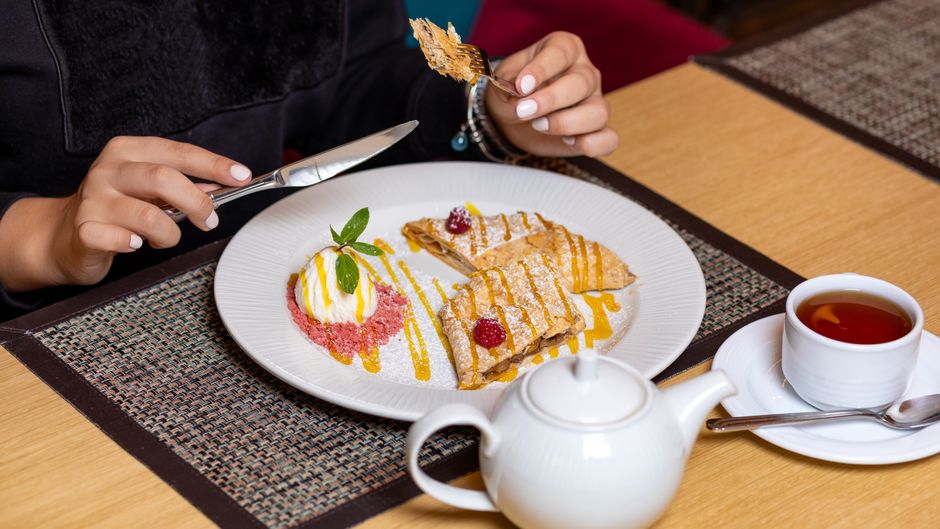
Serve these cupcakes warm, within 30 minutes of finishing. That is when the edges still have a little bite, the centre feels soft, and the lemon juice has not had time to soak through the base.
Serving and storage timing
Prepare the dry ingredients and lemon zest up to one day ahead, but mix the wet and dry ingredients on the day of baking. The batter can rest for 15 to 30 minutes without trouble; longer storage may make the flour absorb too much liquid and produce a heavier crumb. Baked cupcakes keep at room temperature for up to 8 hours in a single layer. Add the lemon juice and sugar just before serving rather than before storage. For next-day eating, refrigerate the plain cakes in an airtight container and warm them at 160°C for 4 to 5 minutes. Add fresh lemon and sugar after warming.
Choose the finish that matches the texture
Use fine granulated sugar when you want an even, classic finish. Use larger crystals for a noticeable crunch, but add them immediately after the lemon juice so they stick. A light dusting of icing sugar looks neat but gives a softer, less traditional result. The strongest choice remains lemon juice with granulated sugar because it keeps the crepe connection clear and adds contrast to the buttery cake.
| Goal | Best approach | Trade-off |
|---|---|---|
| Crisp edges | Grease eight metal wells and serve warm | Less convenient than paper cases |
| Soft centres | Use whole milk and bake for 14 to 16 minutes | Needs careful timing |
| Make ahead | Store plain cakes and finish just before serving | The lemon flavour is less absorbed |
| Tall decorated cupcakes | Use a standard lemon cupcake recipe instead | Loses the thin crepe-style texture |