Why does your pavlova look perfect in the oven, then crack, soften, or leak syrup before dessert is served? The answer usually sits in three places: the egg whites were not stable enough, the sugar did not dissolve fully, or the shell cooled too quickly. A pavlova is not meant to be a dry biscuit from edge to edge.
This summer berry pavlova method focuses on control rather than promises. Meringue can crack. Humid weather can soften the shell. Cream can add moisture. You can still stack the odds in your favour with room-temperature whites, fine sugar, a low oven, and a long cooling period.
Why pavlova gets a crisp shell and marshmallow centre
What the egg whites and sugar are doing
Egg whites contain water and proteins. When you whip them, the proteins unfold and trap air. Sugar then strengthens that foam, slows the movement of water, and gives the baked meringue its glossy structure. The sugar also controls texture. Too little sugar produces a fragile, dry, chalky shell. Large crystals that never dissolve leave a gritty mixture that can leak syrup during baking.
For one 22-centimetre pavlova, use 4 large egg whites, about 120 grams in total, and 220 grams of caster sugar. That ratio gives you enough sugar to support the foam without turning the centre into hard candy. Add 2 teaspoons of cornstarch and 1 teaspoon of white vinegar or lemon juice. The starch helps the middle stay soft, while the acid supports the egg-white structure.
The sugar must dissolve before baking. Rub a little meringue between your fingertips. If you feel grains, keep whisking. A glossy appearance alone is not proof that the sugar has disappeared.
Why the centre stays soft
The marshmallow centre comes from moisture retained inside the meringue. The outside dries first, while the thicker middle warms more slowly. Cornstarch and acid help create a soft, slightly chewy texture rather than a completely dry interior. Shape matters too. A flat disc dries more evenly and becomes crisper throughout. A taller mound gives you a thicker soft centre, but it also needs a longer, gentler bake.
Use a baking sheet lined with parchment. Draw a 22-centimetre circle on the reverse side of the paper if you need a guide. Build the rim slightly higher than the centre, leaving a shallow well for cream. Do not create a dramatic tower. A pavlova that is 5 to 6 centimetres high is easier to bake evenly and less likely to collapse under its own weight.
Humidity is the main outside factor. Sugar attracts moisture from the air, so a pavlova baked on a wet day may soften faster. That does not mean you should raise the oven temperature. High heat browns the shell before the centre has set and increases the chance of a split, sunken middle.
How to bake a pavlova step by step
Prepare the meringue without guessing
- Separate 4 large eggs while they are cold, then leave the whites in a clean bowl for 30 to 45 minutes. Room-temperature whites whip faster and usually reach greater volume.
- Heat the oven to 150°C conventional or 130°C fan. Place the rack in the lower-middle position. Wipe the mixing bowl and whisk with a little vinegar, then dry them completely.
- Whip the whites on medium speed until foamy. Add 1 teaspoon of cream of tartar if your whites often collapse, then increase to medium-high speed until soft peaks form.
- Add 220 grams of caster sugar one tablespoon at a time. Wait 10 to 15 seconds between additions. Rushing this stage creates a weak foam and undissolved sugar.
- Continue whisking for 5 to 8 minutes, until the mixture is thick, bright white, and glossy. Check for grit between your fingers.
- Fold in 2 teaspoons of sifted cornstarch, 1 teaspoon of vinegar, and 1 teaspoon of vanilla. Use a large metal spoon and make no more than 10 to 12 broad folds.
- Spoon the meringue onto the parchment. Shape a 22-centimetre round with a shallow centre and a firm outer edge.
A stand mixer is convenient, but it is not a requirement. The KitchenAid Artisan 5-Quart Stand Mixer uses a 325-watt motor and leaves both hands free for measuring sugar. A hand mixer works perfectly if its beaters reach the bottom of the bowl.
Bake, cool, and decorate in the right order
Put the pavlova in the oven and immediately reduce the temperature to 120°C conventional or 100°C fan. Bake for 90 minutes. The shell should look dry, pale, and firm when lightly touched. A few hairline cracks are normal. Do not open the door during the first 70 minutes, because a sudden temperature drop can make the centre sink.
| Stage | Temperature | Time | What to look for |
|---|---|---|---|
| Preheat oven | 150°C conventional | 15 to 20 minutes | Fully heated oven before the meringue goes in |
| Initial set | Reduce to 120°C | 15 minutes | Outer shell begins to hold its shape |
| Drying bake | 120°C | 75 minutes | Pale, dry surface with a firm edge |
| Cooling | Oven switched off | 2 to 3 hours | Slowly cooled shell with a soft centre |
| Decoration | Room temperature | Just before serving | Cream and berries added after cooling |
Turn the oven off when the 90 minutes are complete. Leave the door closed for at least 2 hours. If your oven runs hot, leave the door open by 2 centimetres for the final 30 minutes of cooling. The ThermoWorks Thermapen ONE can check the oven temperature only indirectly, so use an oven thermometer for the cavity itself; an oven that reads 20°C hotter than its dial setting can turn a soft-centre pavlova into a brown, brittle shell.
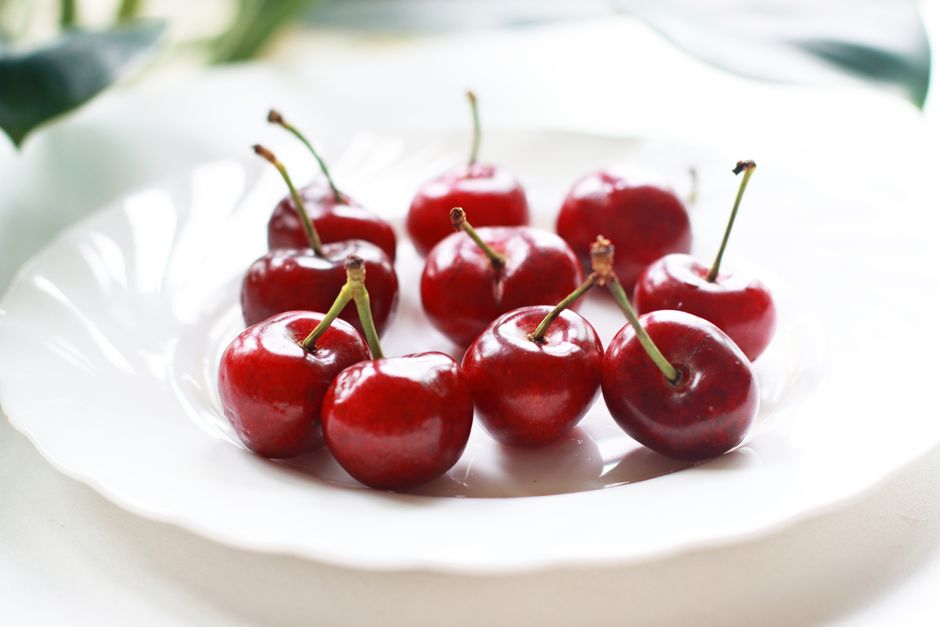
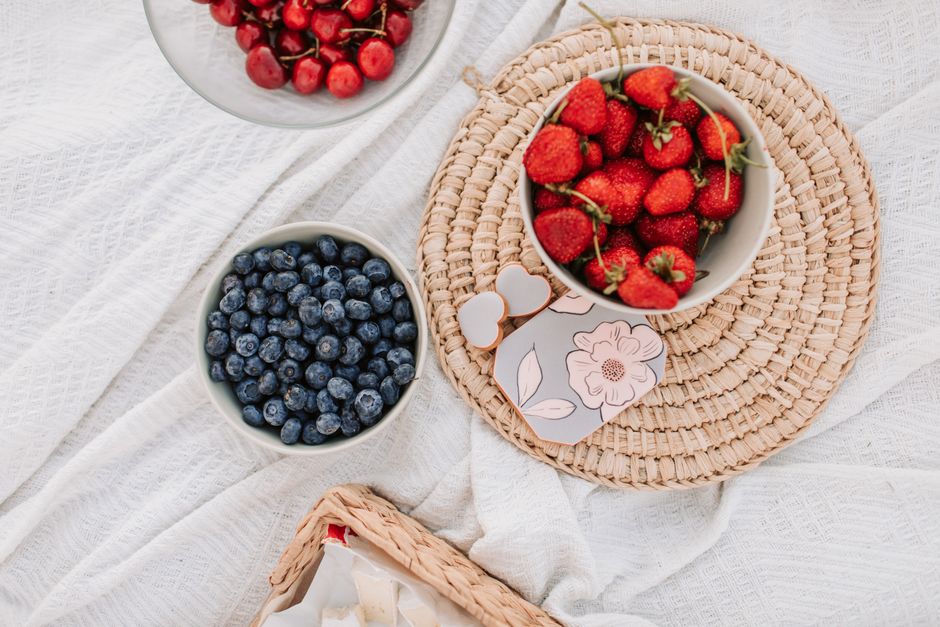
Whip 250 millilitres of cold double cream with 1 tablespoon of icing sugar until it forms soft peaks. Add it only after the meringue has cooled. Spoon the cream into the centre, then use 300 to 400 grams of berries. Strawberries, raspberries, blueberries, blackberries, and redcurrants give the best mix of colour and acidity. Add berry juices at the last moment so they do not soak through the shell.
Which pavlova mistakes cause cracks, leaks, and collapse?
The failure-mode table
| Problem | Likely cause | Fix for the next bake |
|---|---|---|
| Brown shell | Oven temperature too high or fan setting too strong | Lower the temperature by 10 to 20°C and bake on a lower rack |
| Large hollow gap | Air bubbles in the foam or rapid cooling | Fold gently, tap the tray once, and cool inside the oven |
| Syrup around the base | Sugar crystals remained undissolved | Use caster sugar and whisk until the mixture feels smooth |
| Sticky surface | High humidity or underbaking | Extend the drying time by 15 minutes and decorate later |
| Flat pavlova | Grease, yolk, or liquid in the bowl | Clean equipment with vinegar and separate eggs carefully |
| Hard centre | Disc was too thin or baked too long | Build a 5 to 6-centimetre mound and stop at 90 minutes |
The mistakes worth avoiding
Do not use a plastic bowl that still feels greasy. Egg-white foam needs a clean surface, and even a small amount of fat can reduce its volume. Copper or stainless steel bowls are dependable. Glass also works, but it can hold traces of grease if it has gone through a dishwasher cycle with oily cookware.
Do not replace caster sugar with coarse granulated sugar unless you are willing to whisk longer. Do not pour all the sugar in at once. Do not use brown sugar for this version; its extra moisture and molasses change the structure and make the shell more prone to stickiness.
Cracks do not automatically mean failure. A few cracks are part of pavlova’s normal appearance, especially when the topping covers them. A collapsed centre, wet syrup, or strong egg smell is different. Those signs point to an unstable foam, incomplete drying, or an oven that was too hot.
Bottom Line: A pale shell with a few small cracks is a successful pavlova. A glossy, wet, syrupy base is a process problem, and the first place to check is sugar dissolution.
The most reliable summer berry pavlova formula
My recommendation
Use 4 egg whites, 220 grams of caster sugar, 2 teaspoons of cornstarch, and 1 teaspoon of vinegar; bake a 22-centimetre, 5-to-6-centimetre-high mound at 120°C for 90 minutes, then cool it slowly. That formula gives the best balance of a crisp shell and marshmallow centre because the shell has enough time to dry without forcing the middle to become hard.
Use fresh berries with some acidity, not just sweet strawberries. Raspberries and redcurrants cut through the cream, while blueberries add colour without releasing as much juice. If the meringue cracks, cover the centre with cream and keep the dessert moving. If it weeps syrup, fix the sugar and whipping stage before changing the topping.
Final verdict
For a first attempt, this is the winning approach: measure by weight, whisk until the sugar feels smooth, shape a moderate-height mound, keep the oven low, and cool it inside the oven.
For the clearest result, bake the shell the day before, use mascarpone cream if the weather is humid, and serve the finished summer berry pavlova within an hour of decorating.