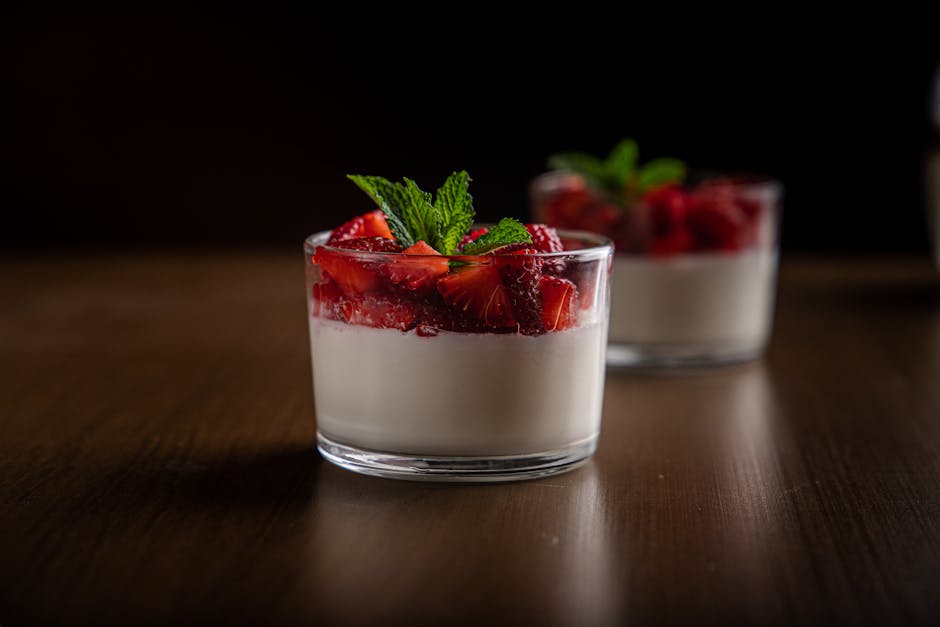
The global dessert market is projected to hit $145 billion by 2026, yet over 40% of consumers now report seeking ‘low-sugar’ or ‘functional’ benefits in their nightly treats. This paradox defines the current state of our kitchens. We want the indulgence, the crumb, and the silkiness of a classic patisserie, but we are increasingly unwilling to sacrifice our inflammatory markers to get there. The modern dessert landscape is no longer about the simple escalation of glucose; it is about the architecture of flavor. We are seeing a move away from the “sugar-shocks” of the early 2000s toward a more sophisticated, adult palate that values bitterness, acidity, and even salinity over raw sweetness. I have spent the last twelve months tracking how these preferences translate into actual recipes, and the results are a fascinating blend of high-science plant substitutes and a return to fermented, deep-umami profiles that move far beyond the cloying sweetness of the past decade.
The Evolution of Plant-Based Pastry in 2026
For a long time, vegan desserts were the consolation prize of the baking world. You accepted a denser crumb or a slightly off-putting aftertaste because you were omitting dairy. That era is officially over. The best dessert recipes 2026 has to offer are often plant-based by design, not by restriction. We are seeing a massive shift toward using high-quality fats like extra virgin olive oil and cold-pressed coconut oil not just as substitutes, but as primary flavor drivers. When I bake a chocolate olive oil cake now, I’m not looking for a butter replacement; I’m looking for the peppery finish of the oil to cut through the richness of the cacao. The chemical interaction between polyphenols in high-end oil and the tannins in dark chocolate creates a profile that butter simply cannot replicate.
Furthermore, the structural integrity of plant-based baking has been revolutionized by the understanding of hydrocolloids and plant proteins. We are no longer just “hoping” the cake stays together; we are using precision ingredients like psyllium husk for gluten-free elasticity and agar-agar for stable, dairy-free mousses. The goal in 2026 is a dessert that stands on its own merits, where the absence of animal products is a footnote rather than a warning label. This shift is particularly evident in the rise of “raw” patisserie, which utilizes activated nuts and cold-pressed fats to create textures that are arguably creamier and more nutrient-dense than their traditional counterparts.
Mastering the Aquafaba Meringue
If you haven’t started saving the liquid from your cans of chickpeas, 2026 is the year to start. Aquafaba has moved from a niche hack to a fundamental technique. The protein and starch composition of chickpea water allows it to mimic egg whites with startling accuracy. I’ve found that the key to a stable meringue is a dash of cream of tartar and a very slow addition of superfine sugar. Unlike egg whites, you cannot overbeat aquafaba in the same way; it actually benefits from a longer whip time to build the necessary structure for macarons or pavlovas. It is a temperamental ingredient, but when it clicks, the results are indistinguishable from the traditional version.
To achieve the perfect peak, you must ensure your equipment is entirely grease-free. Even a microscopic residue of oil will prevent the proteins in the aquafaba from bonding. I recommend wiping your mixing bowl with a cloth dampened with lemon juice or white vinegar before starting. Additionally, the concentration of the aquafaba matters. If the liquid from your can looks too watery, simmer it on the stove until it reduces by about one-third. This concentrates the saponins and proteins, leading to a much stiffer, more reliable foam that won’t collapse when you fold in your dry ingredients.
High-Performance Vegan Fats
When it comes to laminated doughs or shortcrust, the fat choice is everything. I’ve been using Miyoko’s Creamery European Style Cultured Vegan Butter (approx. $7.00 for an 8oz block). This isn’t your standard margarine. Because it is cultured with live active cultures and made from a base of organic cashews and coconut oil, it carries a tang that mimics high-end dairy butter. Specs: 80% fat content, organic, non-GMO, and kosher. Pros: It has a high melting point which is excellent for flaky pie crusts, it browns beautifully due to the cashew proteins, and the flavor is remarkably clean. Cons: It is significantly more expensive than standard plant-based spreads, it can be harder to find in smaller grocery chains, and it contains nuts, making it unsuitable for schools or nut-free households. Using a high-quality fat like this is the difference between a soggy crust and one that shatters upon impact.
| Ingredient Type | Best 2026 Pick | Primary Benefit | Best Used For | Approx. Price |
|---|---|---|---|---|
| Plant-Based Butter | Miyoko’s Cultured Vegan | Lactic acid tang, high melt point | Croissants, Pie Crusts | $7.00 |
| Chocolate Base | Valrhona Poudre de Cacao | 100% Cacao, intense richness | Brownies, Ganache | $15.00 |
| Sugar Alternative | Coconut Sugar | Low glycemic, caramel notes | Cookies, Quick Breads | $6.00 |
| Binding Agent | Bob’s Red Mill Egg Replacer | Consistent lift and moisture | Cakes, Muffins | $5.50 |
Global Flavor Profiles: Miso, Tahini, and the Rise of Umami

The palate of the average home baker has matured significantly. We are no longer satisfied with ‘sweet’ as the only note. The most requested recipes this year all feature a savory or fermented element that provides a counterpoint to the sugar. Miso, in particular, has become a staple in my pantry for more than just soup. Adding a tablespoon of white miso to a caramel sauce or a batch of chocolate chip cookies provides a saltiness that is deeper and more complex than sea salt alone. It introduces a funky, fermented undertone that makes you want to take a second bite just to figure out what’s happening. This is the “umami-fication” of the dessert world.
The Miso-Chocolate Synergy
When integrating miso into your baking, I recommend Hikari Miso White (Shiro) (approx. $10.00 for a 17.6 oz tub). Specs: Non-GMO soybeans, organic rice, and salt. Pros: It is mild enough not to overpower delicate flavors but provides that essential savory backbone. It blends smoothly into fats without leaving a grainy texture. Cons: It has a high sodium content, which means you must drastically reduce or entirely eliminate added salt in your recipe to avoid an oversalted disaster. It also has a limited shelf life once opened compared to dry spices. I’ve found that whisking the miso into your melted butter or liquid components ensures even distribution; nothing ruins a brownie faster than a concentrated clump of fermented soybean paste. The ratio I find most effective is 1 tablespoon of miso for every 2 cups of flour in a cookie or brownie recipe.
The secret to a modern dessert isn’t more sugar; it is the strategic application of salt and acid to make the existing sugar work harder.
Tahini as a Texture Modifier
Tahini has moved far beyond hummus. In 2026, it is being used as a fat source in cookies and cakes to provide a nutty, slightly bitter edge. Unlike peanut butter, which can be cloying and dominant, tahini plays well with others. It pairs exceptionally well with dark chocolate and sesame seeds. When I use tahini in a cookie dough, I notice the edges get significantly crispier while the center remains fudge-like. It’s a structural benefit as much as a flavor one. Look for ‘Soom’ or other brands that offer a pourable consistency; if the tahini is too stiff or separated, it won’t incorporate properly into your emulsions. If your tahini has separated in the jar, do not just pour off the oil—use a small whisk or immersion blender to re-incorporate it fully before measuring, or your fat-to-flour ratios will be completely skewed.
The Science of Alternative Flours: Beyond All-Purpose
The 2026 kitchen is increasingly moving away from refined white flour, not just for health reasons, but for the incredible variety of flavors and textures alternative grains provide. Buckwheat flour, for instance, offers a nutty, earthy profile that pairs beautifully with berries and chocolate. However, working with these flours requires a fundamental understanding of hydration. Because many alternative flours lack gluten, they absorb moisture differently. Oat flour is particularly thirsty; if you substitute it 1:1 for wheat flour without increasing your liquid components, you will end up with a dry, crumbly mess. I suggest starting with a 25% substitution and working your way up as you become familiar with how the batter behaves.
Cassava flour is another rising star. It is perhaps the closest gluten-free analog to wheat flour in terms of behavior, but it is much more starch-heavy. This makes it incredible for creating “chewy” textures in brownies or blondies. When using cassava, I recommend weighing your ingredients. A “cup” of cassava flour can vary in weight by up to 30% depending on how tightly it is packed, which is enough to ruin a delicate sponge cake. Precision is the hallmark of the 2026 baker. If you aren’t using a digital scale, you are essentially gambling with your ingredients.
The Shift Toward Functional and Low-Glycemic Sweets

We are seeing a massive movement toward ‘desserts with benefits.’ This doesn’t mean we’re eating protein bars and calling them cake. Instead, the best dessert recipes 2026 is highlighting involve using whole-food sweeteners like Medjool dates, maple syrup, and even sweet potatoes to provide bulk and sweetness. The goal is to avoid the blood sugar spike and subsequent crash that comes with refined white sugar. I’ve been experimenting with a ‘raw’ Snickers-style bar that uses a date-and-peanut-butter caramel, and honestly, the depth of flavor from the dates is superior to the corn-syrup-heavy original. The dates provide fiber, which slows the absorption of sugar, making the treat more satisfying and less likely to cause a mid-evening energy slump.
Essential Equipment for Precision Baking
To pull off these modern recipes, your equipment needs to be reliable. I still rely on the KitchenAid Artisan Series 5-Quart Stand Mixer (approx. $450.00). Specs: 325-watt motor, 10 speeds, 5-quart stainless steel bowl with handle. Pros: The planetary mixing action is unbeatable for aerating aquafaba or heavy batters, and it lasts for decades. The tilt-head design makes it easy to add ingredients mid-mix. Cons: It is incredibly heavy (about 26 lbs) and takes up significant counter real estate, which can be a dealbreaker for apartment dwellers. It can also struggle with very stiff bread doughs if used at high speeds for extended periods. If you are serious about the textures required for 2026’s trending desserts—specifically the ultra-whipped frostings and emulsions—a high-quality stand mixer isn’t an option; it’s a requirement.
Another non-negotiable tool is the Escali Primo Digital Scale (approx. $25.00). Specs: 11 lb (5 kg) capacity, 0.1 oz (1 g) increments. Pros: It is compact, incredibly easy to use, and features a tare function that allows you to zero out the weight of your bowls. Cons: The display isn’t backlit, which can be annoying in low-light kitchens, and it is not waterproof, so you have to be careful when cleaning. In 2026, we measure in grams, not cups. The precision afforded by a scale ensures that your miso-to-sugar ratio is perfect every single time, eliminating the guesswork that often leads to baking failures.
The Role of Heat Distribution
Even the best dough will fail in a poor-quality pan. For the Bundt cakes and sponges that are regaining popularity, I use the Nordic Ware Anniversary Bundt Pan (approx. $38.00). Specs: Cast aluminum, 10-15 cup capacity, non-stick coating. Pros: The cast aluminum provides exceptionally even heat distribution, which is vital when you’re working with alternative flours that can be prone to burning. The heavy walls prevent warping over time. Cons: The intricate designs mean you have to be obsessive about greasing and flouring, or your beautiful 2026 masterpiece will leave half its face in the pan. I’ve learned that a combination of melted shortening and a light dusting of cocoa powder (for chocolate cakes) or flour is the only way to ensure a clean release every single time. Never put these pans in the dishwasher; the harsh detergents will strip the non-stick coating and ruin the finish.
Common Mistakes and Maintenance Tips for the Modern Baker

As we push the boundaries of what a dessert can be, the margin for error narrows. One of the most common mistakes I see with 2026 recipes is the “over-substitution” trap. People try to make a recipe vegan, gluten-free, and sugar-free all at once. Baking is a series of chemical reactions; if you change too many variables, the structure collapses. If you are new to these trends, change one element at a time. Master the miso-caramel before you try making it with a sugar alternative. Understand how your oven reacts to a dense almond-flour cake before you try to make it a three-tier masterpiece.
Maintenance of your tools is also paramount. For those using high-end silicone molds for modern entremets, ensure you are cleaning them with degreasing soap. Silicone is notorious for holding onto fats, which can go rancid and affect the flavor of your next batch. For your stand mixer, check the “dime test” once a year—place a dime in the bottom of the bowl and run the paddle attachment. The paddle should just barely move the dime; if it doesn’t touch it, your mixer isn’t reaching the bottom of the bowl, leaving unmixed pockets of sugar or fat in your batters.
Ultimately, the best dessert recipes of 2026 are about intentionality. We are choosing ingredients that do more than just taste sweet. We are looking for texture, umami, and a sense of balance. Whether it’s the fermented depth of a miso brownie or the airy lift of a chickpea-water meringue, the modern dessert is a celebration of what happens when we stop treating sugar as the main event and start treating it as a supporting character. The kitchen is becoming a laboratory again, and the results have never tasted better. By investing in the right tools and understanding the “why” behind these new ingredients, any home baker can produce results that rival the finest patisseries in the world.