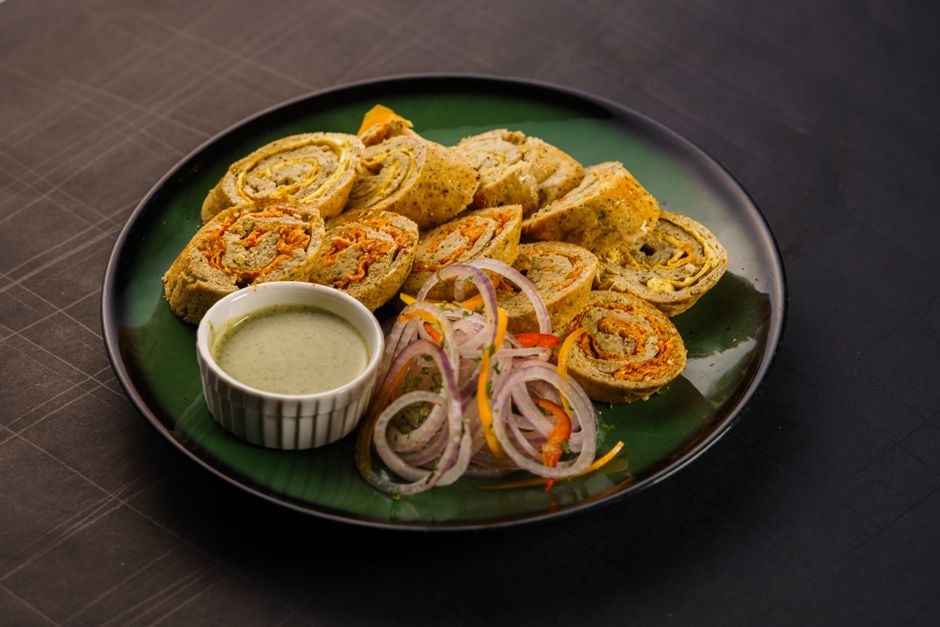
You have guests arriving in 40 minutes, the oven is already warm, and a bowl of wild garlic is sitting in the fridge. This is the moment these pinwheels earn their place. They need one sheet of puff pastry, a sharp cheese filling, and less than 25 minutes in the oven. The result is crisp at the edges, soft in the middle, and strongly flavoured enough to work beside soup, salads, or drinks.
Why wild garlic and cheddar pinwheels are a dependable spring appetiser
The clear verdict: this is one of the safest spring bakes for a mixed crowd because it offers familiar cheese and pastry with a fresh green flavour. The wild garlic adds more character than parsley, but it does not make the recipe feel strange or difficult.
The basic flavour balance
Wild garlic tastes like a softer, greener version of garlic. Its leaves bring freshness, while mature cheddar supplies salt, fat, and a nutty finish. Puff pastry adds the crisp, buttery layer that makes a small portion feel generous. The balance matters. Too much wild garlic can make the filling wet and grassy. Too little leaves you with ordinary cheese twists.
For one sheet of ready-rolled pastry, use about 60g washed wild garlic leaves, 120g grated mature cheddar, 1 teaspoon of Dijon mustard, and a few turns of black pepper. Skip extra salt until the cheese has been mixed in. Mature cheddar can provide enough salt on its own.
How many pinwheels this batch makes
A 320g pastry sheet rolled from the short edge usually produces 18 to 22 pinwheels. Cut them about 1.5cm thick. Thinner slices cook quickly but can dry out; thicker slices look impressive but may leave a soft centre. At a spring buffet, allow three pieces per adult if you are serving other food, or five if these are the main savoury snack.
The recipe is also easy to scale. Two pastry sheets need roughly 120g wild garlic and 240g cheddar, but use two baking trays so the pieces have room to release steam. Crowding creates pale, greasy pastry instead of crisp layers.
Ingredient quantities, cost, and timing at a glance
This is the practical comparison section: the recipe works with supermarket basics, but small choices change the finish. Prices below are typical UK figures for 2026 and vary by shop, pack size, and season. They are planning figures, not promises at the till.
A reliable one-tray shopping list
| Ingredient or item | Amount | Typical 2026 price | What it changes |
|---|---|---|---|
| Ready-rolled puff pastry | 320g sheet | £2.25 | Gives the pinwheels their layers and lift |
| Fresh wild garlic leaves | 60g | £1.50 to £3.00 | Adds spring garlic flavour and colour |
| Mature cheddar | 120g | £2.50 to £3.50 | Provides salt, richness, and browning |
| Dijon mustard | 1 teaspoon | About £2.00 per jar | Sharpens the filling without making it hot |
| Egg | 1 | About £0.35 | Helps the surface turn glossy and golden |
The tray cost is usually about £5 to £7 if you need to buy every ingredient, or closer to £3 once mustard and egg are already in the kitchen. A branded example such as Jus-Rol Puff Pastry Sheet, usually around £2.25 for 320g, is convenient because the sheet has a steady thickness. A block of pastry can work just as well, but it needs rolling to about 3mm.
Timing that prevents rushed pastry
- Chill the pastry for 10 minutes after filling and rolling.
- Allow 5 minutes to wash and dry the wild garlic.
- Brush with beaten egg immediately before baking.
- Bake for 18 to 22 minutes at 200°C conventional or 180°C fan.
- Cool for 5 minutes before lifting the pinwheels from the tray.
That gives a total working time of about 35 minutes. If the pastry has become soft while you assemble it, add another 10 minutes of chilling instead of putting it straight into the oven.
How to assemble pinwheels that stay crisp
The main technique is simple: keep the filling thin, keep the pastry cold, and cut with a sharp knife. The recipe becomes unreliable when cooks spread a thick, wet paste across the sheet or roll it too tightly. The following sequence gives the most consistent result.
Use this six-step method
- Wash the wild garlic under cold running water. Spin or pat it very dry, then remove any tough stems.
- Chop the leaves finely. Mix them with the grated cheddar, Dijon mustard, and black pepper.
- Unroll the pastry on its paper. Leave a 1cm border along one long edge so the roll can seal.
- Spread the filling in an even layer. Press it gently into the pastry without compacting it.
- Roll from the opposite long edge into a firm cylinder. Brush the bare border with beaten egg and press to seal.
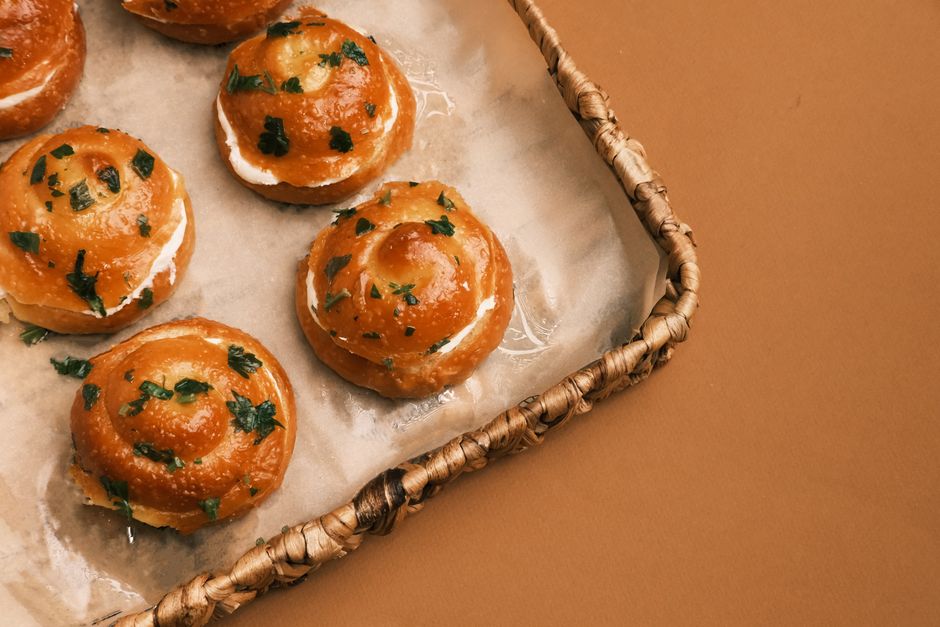
- Chill for 10 minutes, slice into 1.5cm rounds, and place them cut-side up on a lined tray.
The small tools that make a visible difference
A sharp chef’s knife gives cleaner slices than a blunt table knife. If you are zesting lemon into the filling, the Microplane Premium Classic Zester, often priced around £16, makes fine shavings that spread evenly. It is optional, but a teaspoon of lemon zest can brighten a rich cheddar filling.
Line the tray with parchment rather than relying on a greased metal surface. Lakeland baking parchment, commonly sold in a 30m roll for around £5.99, is one example that releases baked cheese cleanly. A bare tray can still work, but melted cheddar may weld itself to the metal before the pastry has cooled.
For the strongest finish, use the pastry while it is cold but flexible. If it cracks when unrolled, leave it at room temperature for five minutes. If it bends like soft dough, return it to the fridge. That temperature check matters more than any special equipment.
Wild garlic questions that affect the final bake
Can you use wild garlic from a garden or woodland?
Yes, but only when you can identify it with complete confidence and the growing area is clean. Wild garlic leaves usually have a clear garlic smell when crushed. Do not rely on leaf shape alone because several woodland plants look similar, and some are harmful. Avoid roadsides, dog-walking routes, sprayed verges, and areas used by livestock. Wash every leaf under running water before chopping.
Can frozen wild garlic go into the filling?
Yes, but thaw it fully and squeeze out excess water before mixing it with the cheese. Frozen leaves release more moisture than fresh leaves, so use about 45g frozen wild garlic in place of 60g fresh. A wet filling can soften the pastry layers and create a hollow centre. If the mixture still looks loose, add 1 tablespoon of finely grated cheddar rather than breadcrumbs, which can make the filling heavy.
Can you prepare the pinwheels ahead of time?
Prepare the rolled pastry up to 12 hours ahead and keep it wrapped in the fridge. Slice just before baking. You can also freeze the sliced, unbaked pinwheels on a tray, then transfer them to a sealed container. Bake from frozen at 180°C fan for about 25 to 30 minutes, checking that the centre is fully puffed and the base is golden.
Common mistakes that make the pastry greasy or flat
My strongest recommendation is to treat temperature as the main quality control. Most disappointing pinwheels do not fail because the ingredients are wrong. They fail because the pastry warms up, the leaves carry water, or the pieces sit too close together. Fix those points and the recipe becomes far more predictable.
Mistake one: spreading the filling to the edge
Cheese reaches the tray before the pastry has formed a firm shell when the filling is pushed right to the edge. Leave a 1cm strip on one long side and seal it with egg. The border acts like a seam. If a little cheese escapes, that is fine; a large open edge creates a greasy puddle and weakens the spiral.
Mistake two: skipping the chill
Warm pastry slumps in the oven. The butter melts before the layers have time to lift, so the pinwheels look broad and flat. Chill the complete roll for 10 minutes, then chill the sliced rounds for another five minutes if the kitchen is warm. A metal tray that has been kept cold can help, but do not place a freezing tray straight into a very hot oven if the manufacturer warns against thermal shock.
Mistake three: washing but not drying the leaves
Water trapped between the leaves and pastry turns into steam. Steam can split the roll, soften the centre, and push the filling out. Pat the leaves dry with a clean tea towel or use a salad spinner. If the leaves still feel damp, chop them and leave them spread on the towel for five minutes.
Another common error is baking by colour alone. The tops may brown while the base remains pale. Lift one pinwheel with a palette knife: the underside should be golden and firm. If the tops are dark but the base is soft, move the tray to a lower oven shelf for three to five minutes.
What to serve with the pinwheels and the final verdict
For a spring gathering, serve these warm with a sharp, fresh side rather than another rich dip. The pinwheels already contain pastry, butter, and cheese. Balance them with lemony pea salad, sliced radishes, cucumber, or a simple bowl of dressed leaves. That contrast keeps the snack from feeling heavy.
Three useful serving combinations
- For drinks: serve two warm pinwheels per person with sparkling water, dry cider, or a light white wine.
- For lunch: add tomato soup or pea soup and allow four to five pinwheels per person.
- For a buffet: cool them for five minutes, arrange them in a single layer, and refresh them at 160°C fan for five minutes if needed.
Do not cover freshly baked pinwheels tightly while they are hot. Trapped steam softens the pastry. Store leftovers in the fridge for up to two days and reheat them on a tray rather than in the microwave. The microwave warms the filling but removes the crisp texture.
The specific recommendation
Use fresh, well-dried wild garlic, mature cheddar, and a chilled ready-rolled pastry sheet for the most dependable result. Bake one tray at a time at 180°C fan for 18 to 22 minutes, then check the base before serving. For an easy spring appetiser that looks more involved than it is, wild garlic and cheddar pinwheels are the clear choice: low preparation risk, modest cost, and enough flavour to stand on their own.