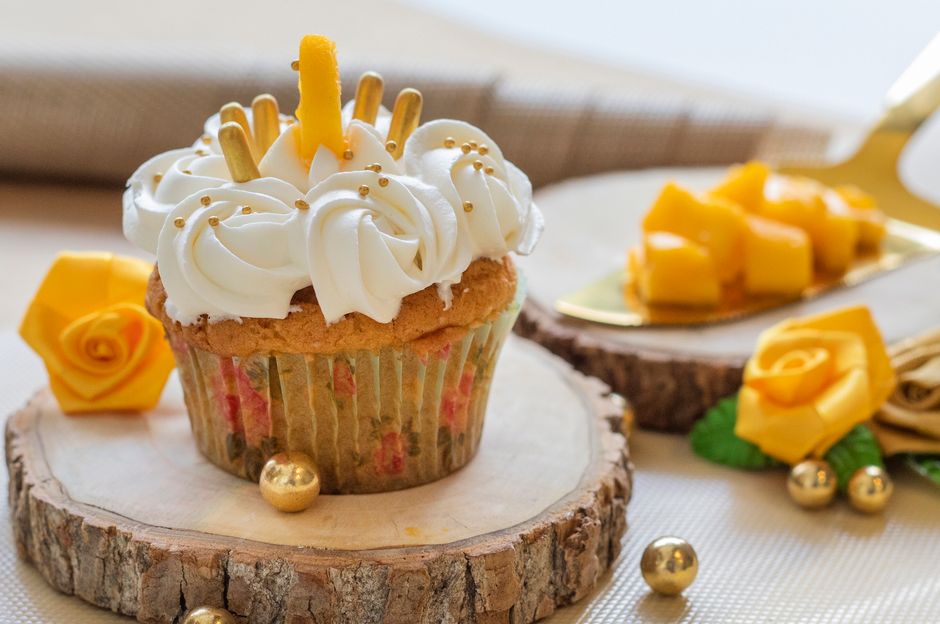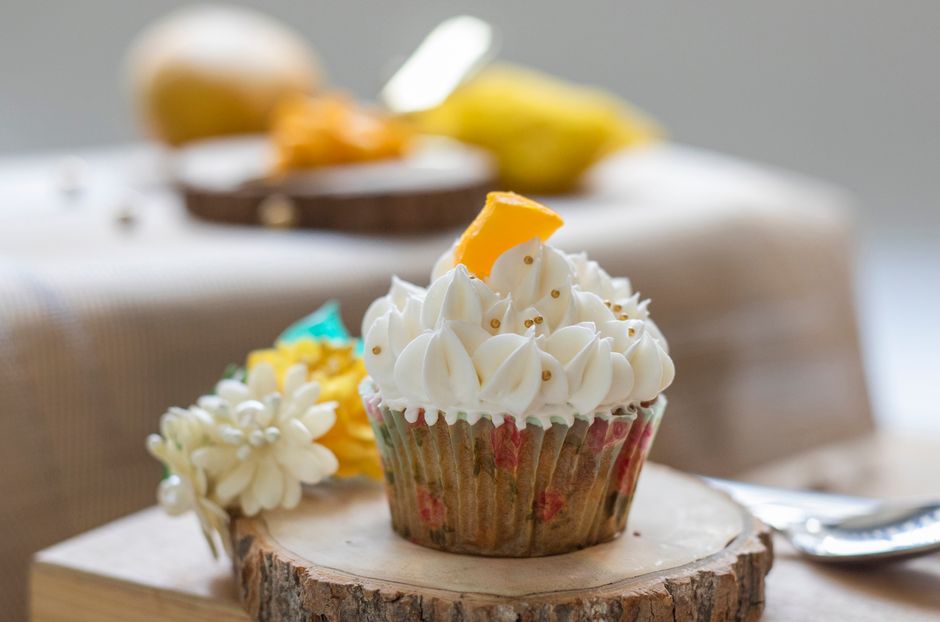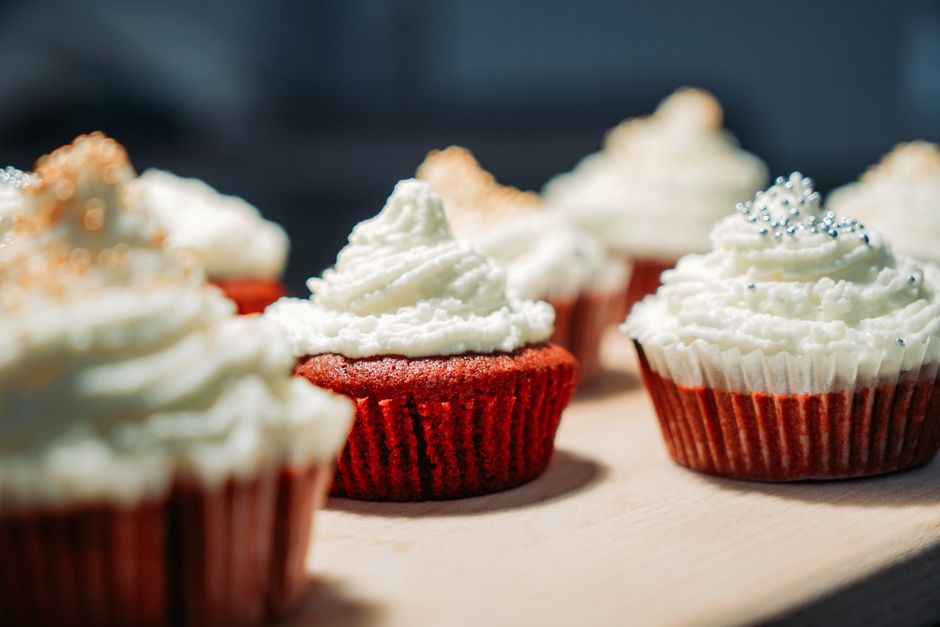
My preferred January bake is a soft orange cupcake with marmalade folded through the batter and a thin, sharp glaze on top. The best version tastes like fresh citrus first, sugar second, and bitter peel only at the finish. Use medium-cut marmalade, keep the batter lightly mixed, and glaze the cakes only after they have cooled completely.
Why Marmalade Works in January Cupcakes
Sweetness Needs Bitterness
Marmalade brings three useful things to a cupcake: orange oil from the peel, small pieces of fruit, and enough bitterness to stop the cake tasting flat. Winter baking often leans toward cinnamon, chocolate, and heavy spice. Orange cuts through that richness. It also gives a plain vanilla batter a stronger identity without requiring orange extract.
The key is balance. Marmalade already contains sugar, so adding a large amount can make the crumb sticky rather than tender. I use 120g of marmalade for 12 cupcakes, then reduce the granulated sugar by 20g. That ratio gives a clear orange flavour while keeping the cake light. Medium-cut marmalade is the safest choice because the peel pieces spread through the batter instead of sinking into one dense strip.
Fresh Citrus Belongs in the Glaze
The glaze has a different job from the marmalade. The marmalade flavours the crumb, while fresh orange juice and zest make the top taste bright. Sifted confectioners sugar creates the body, but orange zest provides most of the aroma. Add the zest before the juice so its oils release into the sugar.
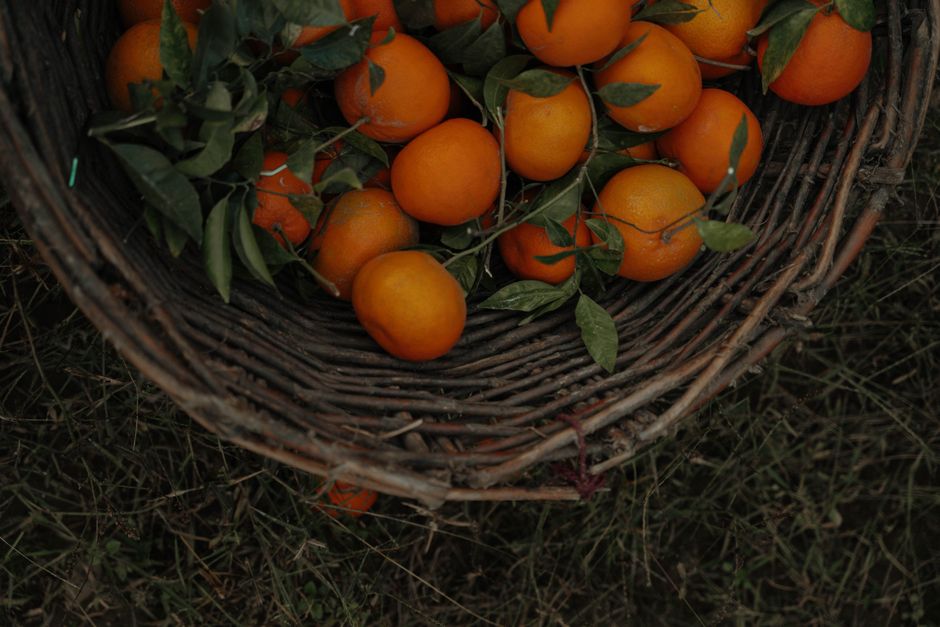
I avoid bottled orange juice here. It tastes dull beside the cooked peel and can make the glaze too thin. One medium navel orange usually gives 1 to 2 tablespoons of juice and enough zest for the batter or glaze. For a sharper January flavour, add 1 teaspoon of lemon juice. That small amount keeps the topping from tasting like plain sugar.
Which Marmalade Is Best for Baking?
Buy a marmalade with a clean orange flavour, visible peel, and a spreadable texture. Do not choose the cheapest jar automatically; some thin preserves disappear into the batter.
Choose Bonne Maman for a Reliable Batch
Bonne Maman is the jar I would buy for a birthday tray or a first attempt. Its peel is noticeable but not tough, and the sweetness works with a simple powdered-sugar glaze. The flavour stays present after baking instead of turning into generic jam. Use 120g in the batter and reserve 2 tablespoons for brushing over the warm cakes if you want a stronger orange note.
Choose Tiptree for Stronger Peel Flavour
Tiptree Orange Medium Cut Marmalade costs more, but the Seville orange character is more pronounced. It suits adults who like a slight bitter edge with coffee or black tea. Chop any long peel strips before measuring. I would not choose it for young children who expect a very sweet cupcake, and I would not use thick-cut marmalade unless you are happy with chewy peel pieces in every bite.
How to Bake a Moist Marmalade Cupcake
Use a Measured Batter, Not a Loose Guess
For 12 standard cupcakes, weigh 150g plain flour, 120g unsalted butter, 120g caster sugar, 2 large eggs, 120g marmalade, 60ml milk, 1 teaspoon baking powder, 1 teaspoon finely grated orange zest, and a pinch of salt. Weighing matters because extra flour makes the cakes tight and extra marmalade adds moisture without enough structure.
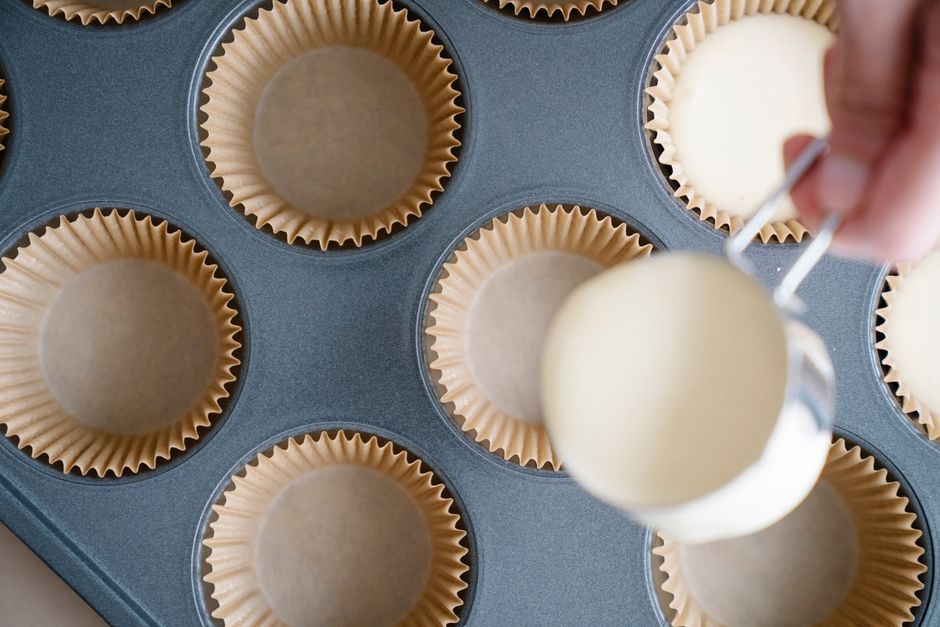
- Heat the oven to 175°C. Line a 12-hole muffin tin with paper cases.
- Beat the butter, sugar, and orange zest for 2 to 3 minutes until pale. This adds air before the flour enters.
- Beat in the eggs one at a time. If the mixture looks slightly curdled, add 1 tablespoon of the measured flour.
- Stir in the marmalade and milk. Do not beat hard once the wet ingredients are combined.
- Fold in the flour, baking powder, and salt until no dry streaks remain. Stop there.
- Fill each case to roughly two-thirds full and bake for 18 to 21 minutes. A skewer should come out with a few moist crumbs, not wet batter.
Cool Before You Judge the Texture
Let the cupcakes sit in the tin for 5 minutes, then move them to a rack. Warm marmalade cupcakes can seem underbaked because the fruit keeps the crumb soft. After 30 minutes, the structure settles and the peel distributes its flavour more evenly. If the centres still wobble after cooling, the oven was too cool or the cases were overfilled. Do not solve that problem by baking another 10 minutes; the edges will turn dry before the centres set.
How to Make a Zesty Orange Glaze
My Verdict: Keep the Glaze Thin
A thick icing hides the orange flavour and makes the cupcakes feel heavy, so I prefer a glaze that sinks slightly into the top. Mix 150g sifted confectioners sugar with 1 teaspoon finely grated orange zest and 1 tablespoon fresh orange juice, then add more juice in ½-teaspoon amounts until the mixture falls from a spoon in a narrow ribbon; this gives you a topping that sets within 20 to 30 minutes while leaving the crumb visible.
The Short Formula That Sets Cleanly
Glaze only completely cool cupcakes, place them on a rack over parchment, and spoon about 2 teaspoons over each cake; if the glaze runs straight down the sides, add more sugar, while if it sits like paste, add a few drops of juice, and for extra shine stir in ½ teaspoon of melted butter after the texture is right, but skip extra marmalade because peel pieces clog the flow and create uneven patches.
Five Mistakes That Ruin Marmalade Cupcakes
Fix These Before Changing the Recipe
- Using thick-cut peel without chopping: Large strips stay chewy and sink. Cut them into pieces no wider than 5mm before measuring.
- Adding marmalade straight from a cold jar: Cold preserve clumps in the batter. Let it sit at room temperature for 20 minutes or stir it until smooth.
- Overmixing after the flour goes in: This builds gluten and produces a rubbery crumb. Fold just until the dry ingredients disappear.
- Glazing warm cakes: Heat melts the sugar and sends it down the sides. Wait until the cakes feel cool underneath as well as on top.
- Adding juice by eye: One extra tablespoon can make a glaze that never sets. Measure the first tablespoon, then adjust by drops.
When the Recipe Needs a Different Approach
Skip marmalade cupcakes if you need a very pale, delicate sponge with no peel texture. Make a plain orange cupcake with zest and fresh juice instead. Also skip them when your marmalade tastes strongly burnt or metallic; sugar and butter will not hide poor preserve. For a less sweet tray, use Tiptree Orange Medium Cut and reduce the glaze to a thin drizzle.
The most common failure is not the marmalade. It is treating the preserve like a liquid ingredient. Marmalade carries sugar, peel, and pectin, so the batter needs a measured amount and gentle mixing.