You need a Valentine’s Day dessert that looks special but still works on a busy baking schedule. These chocolate and raspberry cupcakes solve that problem with a moist cocoa crumb, a sharp raspberry centre, and a simple swirl of frosting. Bake them the evening before, chill them overnight, and decorate them in under 20 minutes the next day.
The key is balance. Chocolate brings depth, raspberry cuts through the sweetness, and a small amount of salt keeps the whole cupcake from tasting flat.
Why chocolate and raspberry work so well together
Chocolate adds depth while raspberry adds lift
Cocoa gives the cupcake roasted, bitter notes. Raspberry brings acidity and a clean fruit flavour that makes the chocolate taste richer rather than heavier. This pairing works best when the berry layer stays tart. A very sweet jam can make the finished cupcake taste sugary, especially after you add buttercream.
Use unsweetened cocoa in the batter and let the raspberry filling carry most of the fruit sweetness. Fresh berries also add useful texture, but they release water quickly. For a neat Valentine’s Day cupcake, use cooked raspberry filling inside and fresh berries only as a garnish.
Choose a filling that stays inside the cupcake
The most reliable filling has a thick, spoonable texture. If it runs like syrup, it will soak the crumb and may leak through the paper liner. If it is too firm, it will be hard to pipe into the centre. A good test is to place a teaspoon on a cold plate. After one minute, it should hold a small mound when you tilt the plate.
For the clearest flavour, fill each cupcake with 1 to 1 1/2 teaspoons of raspberry mixture. More is not better here. Too much filling weakens the centre and makes the cupcake difficult to frost.
How to make a moist chocolate cupcake base
Measure the ingredients by weight
Use 150 g plain flour, 45 g unsweetened cocoa powder, 180 g caster sugar, 1 teaspoon baking powder, 1/2 teaspoon baking soda, and 1/2 teaspoon fine salt. Add 2 large eggs, 120 ml buttermilk, 80 ml neutral oil, 1 teaspoon vanilla extract, and 120 ml hot coffee or hot water. These quantities make 12 standard cupcakes.
Oil keeps the crumb softer than butter after refrigeration, which matters when you prepare the cupcakes ahead. Buttermilk adds mild acidity and helps the baking soda create a lighter texture. Hot coffee deepens the cocoa flavour without making the cupcakes taste like coffee.
Mix only until the flour disappears
Whisk the dry ingredients in one bowl. In a second bowl, whisk the eggs, buttermilk, oil, and vanilla. Add the wet mixture to the dry ingredients, then pour in the hot coffee slowly while stirring. The batter will look thin. That is normal and helps create a tender crumb.
Stop mixing as soon as you see no dry flour. Extra stirring builds gluten and produces a chewy, peaked cupcake. Let the batter rest for five minutes while the oven finishes heating to 175°C.
How to bake the cupcakes without dry edges
Gather the exact tools and ingredients
Use a 12-cup metal muffin pan, paper liners, a digital kitchen scale, and a scoop that holds about 3 tablespoons.
- Heat the oven to 175°C.
- Line all 12 cups, even if you expect extra batter.
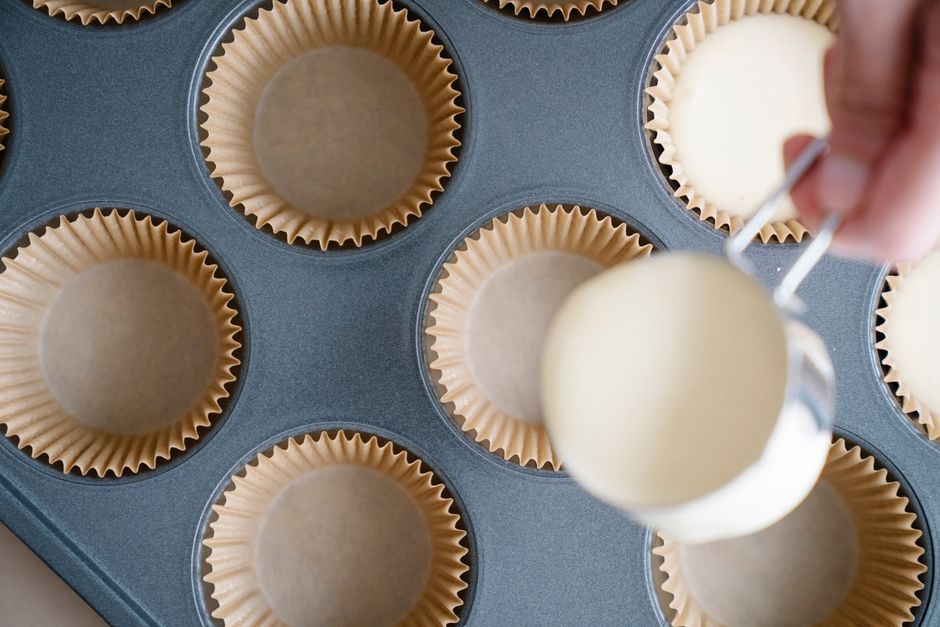
- Fill each liner two-thirds full, about 55 to 60 g of batter.
- Keep the raspberry filling separate until the cupcakes have cooled.
Follow the baking timing chart
| Stage | Temperature | Time | What to check |
|---|---|---|---|
| Preheat | 175°C | 15 to 20 minutes | Oven thermometer reads accurately |
| Bake | 175°C | 18 to 21 minutes | Top springs back lightly |
| Cool in pan | Room temperature | 5 minutes | Liners release without tearing |
| Cool on rack | Room temperature | 30 to 40 minutes | Centres feel fully cool |
Rotate the pan once after 12 minutes if your oven has a hot side. Do not open the door during the first 12 minutes because the cupcakes need steady heat to rise. A toothpick should show a few moist crumbs, not wet batter. For this recipe, pulling the pan out as soon as the centres are set gives the best texture.
Which raspberry filling and frosting combination wins
Use preserves for speed and fresh berries for contrast
For a make-ahead batch, thick raspberry preserves are the clear winner. Stir 120 g preserves with 1 teaspoon lemon juice and warm it for 20 seconds in the microwave. Cool it before filling. The lemon sharpens the berry flavour and the short warming step makes the preserves easier to pipe.
Fresh raspberries are better when you want a bright garnish. Choose firm berries, dry them carefully, and add one to each cupcake just before serving. Do not place wet berries on the frosting hours in advance; their juice can stain the swirl and soften its surface.
Pick a frosting that supports the fruit
American vanilla buttercream is the strongest choice for a party because it pipes cleanly and holds at room temperature for a short serving window. Swiss meringue buttercream tastes less sweet but needs more care and should stay chilled. Cream cheese frosting gives a pleasant tang, yet it softens faster and can hide the raspberry flavour.
| Frosting | Best use | Tradeoff |
|---|---|---|
| Vanilla buttercream | Firm swirls and easy decorating | Sweetest option |
| Swiss meringue buttercream | Elegant, less-sweet finish | Needs careful temperature control |
| Cream cheese frosting | Tangy home-style cupcakes | Softens quickly |
For most Valentine’s Day batches, choose raspberry preserves with vanilla buttercream. The filling stays distinct, the frosting pipes cleanly, and the combination can handle a short trip from kitchen to table.
What can go wrong with chocolate raspberry cupcakes?
Why did the cupcakes sink in the middle?
A sunken centre usually means the batter was underbaked, the oven door opened too soon, or the liners were overfilled. Check the first batch at 18 minutes, but do not remove it until the middle springs back when touched lightly. Keep each liner below two-thirds full. If you need to hide a small dip, fill the centre with raspberry preserves rather than adding more batter next time.
Why did the filling make the crumb soggy?
The filling was probably too loose, too warm, or too generous. Cool it completely before piping. Use no more than 1 1/2 teaspoons per cupcake, and leave a thin layer of cake between the filling and the liner. If your preserves look runny, simmer them in a small pan for two to three minutes, then cool them on a plate before use.
Another common mistake is filling the cupcakes while they are still warm. Steam continues to move through the crumb after baking, so warm cupcakes cannot hold a clean pocket. Wait until the cakes feel cool at the centre.
How to decorate, store, and serve them
Create a clean Valentine’s Day finish
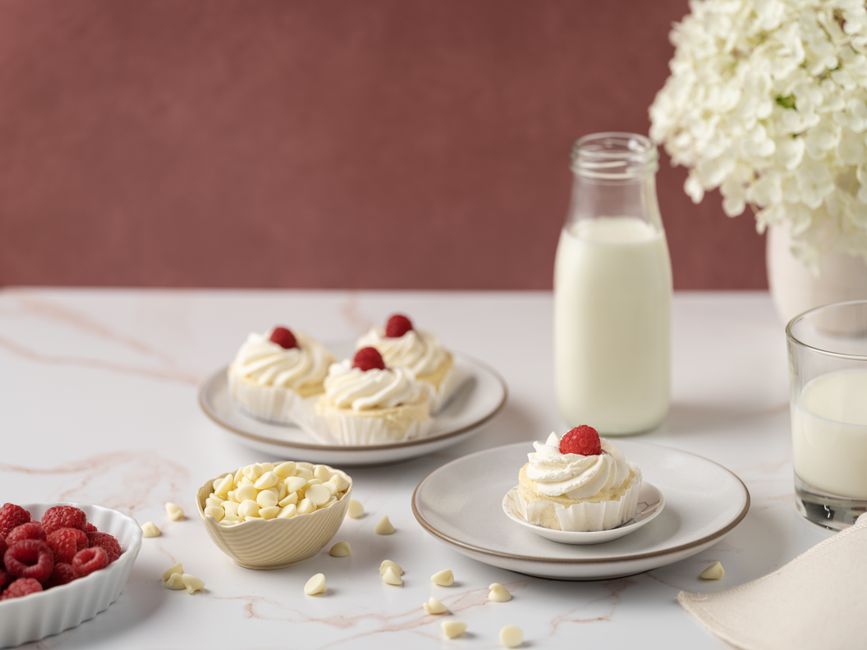
Cut a 2 cm circle from the top of each cupcake, keeping the cake piece nearby. Pipe in the raspberry filling, replace the cake plug, and add a swirl of vanilla buttercream. Finish with a fresh raspberry or a small pinch of shaved dark chocolate.
Keep the decoration restrained. The red berry and dark chocolate already provide the visual contrast.
Store them for the best texture
Store unfrosted cupcakes in an airtight container for up to two days at room temperature. Store filled or frosted cupcakes in the refrigerator for up to three days, then let them stand at room temperature for 30 to 45 minutes before serving. Cold buttercream feels dense, while a slightly softened cupcake releases more chocolate aroma.
For transport, chill the decorated cupcakes for 20 minutes and place them in a box with a snug insert. Avoid stacking them or sealing warm cupcakes, which traps condensation on the frosting. The best batch has a soft centre, a tart raspberry surprise, and enough structure to make Valentine’s Day baking feel calm rather than rushed.
Chocolate and raspberry cupcakes belong to the useful middle ground of baking: they look festive, but the technique is simple enough to repeat for birthdays, showers, and future holiday menus.