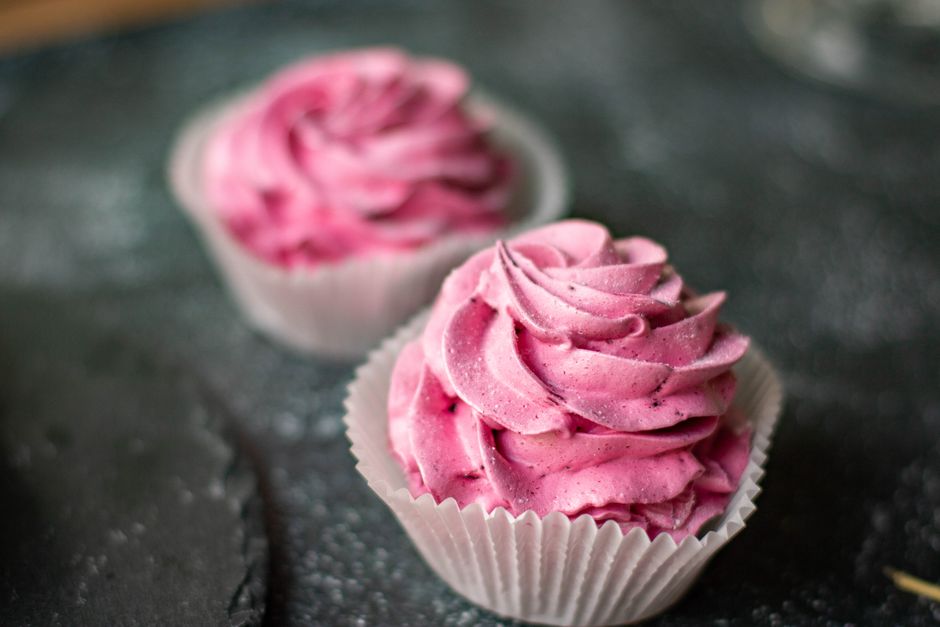
Why red velvet is not just chocolate cake with red colouring
A common misconception is that red velvet cupcakes are ordinary chocolate cupcakes dyed bright red. That shortcut explains many dry, dull, or overly sweet results. A proper red velvet cupcake uses a modest amount of cocoa, an acidic ingredient, enough fat for a soft crumb, and measured food colouring. The goal is a faint cocoa flavour with a tender texture, not a chocolate cupcake wearing red food dye.
The acid and cocoa balance controls the crumb
Use 2 tablespoons of natural unsweetened cocoa powder for 12 cupcakes, not a heaped scoop. Natural cocoa has enough acidity to work with buttermilk and a small amount of vinegar. Dutch-process cocoa tastes smoother, but it has less acidity, so it can change the lift and flavour of the batter. For the most reliable Valentine’s Day batch, use buttermilk, 1 teaspoon of vanilla, and 1 teaspoon of white vinegar. The vinegar will not make the cupcakes taste sour. It sharpens the cocoa and helps keep the crumb light.
Red colour should support the flavour, not replace it
Food colouring does not create a better cupcake. It only changes appearance. Start with 1 tablespoon of liquid red food colouring for 12 cupcakes, then adjust after mixing. Gel colour gives a stronger shade with less added liquid, but too much can leave a bitter aftertaste. The best visual target is a deep brick red before baking; the finished cakes usually lighten slightly. For a natural option, beet powder can tint the batter, but it creates a muted red and may add an earthy note.
Which cream cheese frosting ratio survives a Valentine’s Day party?
For most home bakers, the winning frosting is a classic cream cheese and butter mixture with enough icing sugar to pipe cleanly. The frosting must be soft enough to spread but firm enough to hold a swirl for at least an hour. Full-fat cream cheese is the dependable choice. Use a block, not a tub; whipped tubs contain more water and often produce loose frosting.
| Frosting formula | Yield | Room-temperature limit | Best use |
|---|---|---|---|
| 225 g cream cheese, 115 g butter, 375 g icing sugar | Frosts 12 cupcakes | About 2 hours | Balanced flavour and soft swirls |
| 225 g cream cheese, 115 g butter, 500 g icing sugar | Frosts 12 cupcakes | About 2 hours | Firm piping and transport |
| 225 g mascarpone, 120 ml double cream, 190 g icing sugar | Frosts 12 cupcakes | About 1 hour | Light texture, immediate serving |
For clean piping, choose the firmer formula
My pick for a classroom box, office tray, or dinner party is the 500 g icing sugar version. Beat the butter first for 2 minutes, add cold cream cheese, then add the sugar in three additions. Stop mixing as soon as the frosting holds a peak. Overbeating warms the mixture and traps air, which makes the swirls slump.
When cream cheese frosting is the wrong choice
Do not choose cream cheese frosting for an outdoor event in warm weather or for cupcakes that must sit in a car for several hours. Use a stable buttercream instead, or keep the frosted cupcakes chilled in an insulated carrier. The tradeoff is clear: cream cheese frosting has better tang, while buttercream handles heat and travel more reliably.
When should you bake and frost the cupcakes?
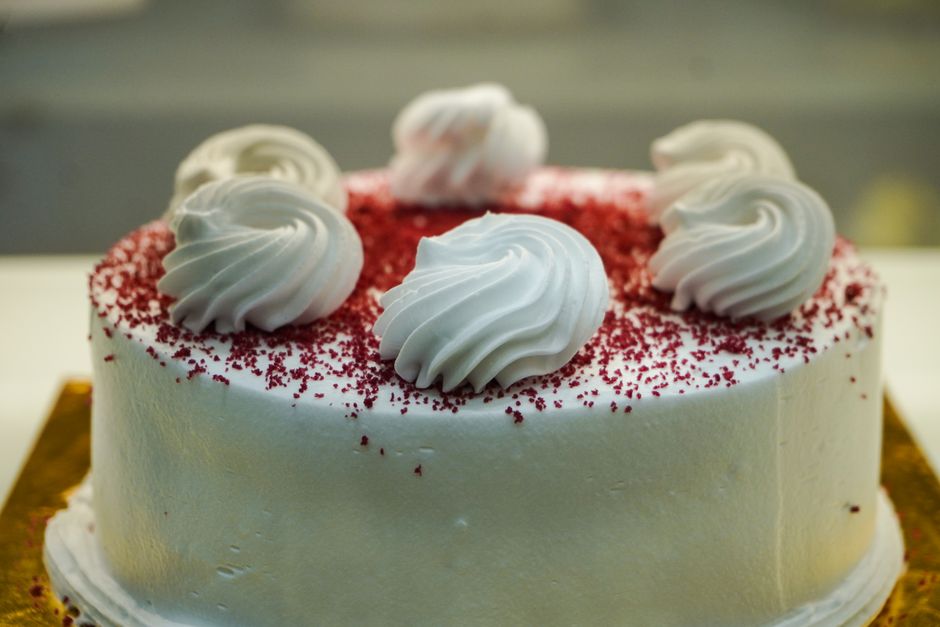
My strongest recommendation is to bake the cupcakes one day ahead and frost them on Valentine’s Day. The cakes need time to cool fully, while the frosting needs a short chill to become easy to pipe. This schedule reduces rushed decisions, protects the crumb, and gives you a clean finish without leaving decorated cupcakes uncovered overnight.
A reliable two-day schedule
- Day one, mix and bake at 180°C (160°C fan) for 18 to 21 minutes, checking with a toothpick at the 18-minute mark.
- Cool the cupcakes in the pan for 5 minutes, then move them to a rack for at least 60 minutes.
- Store unfrosted cupcakes in an airtight container at room temperature for one night.
- Day two, make the frosting and chill it for 15 to 20 minutes if it feels loose.
- Pipe the frosting, add sprinkles or fresh berries, and refrigerate the finished cupcakes until 30 minutes before serving.
When not to frost early
Do not pipe the frosting the night before if your refrigerator runs warm, if the cupcakes will be transported without a cold carrier, or if you plan to add juicy strawberries. Moisture from fruit can stain the frosting and soften the cake surface. Add fruit immediately before serving. For a simple finish, use heart-shaped sprinkles or a thin dusting of freeze-dried raspberry powder.
What mistakes make red velvet cupcakes fail?
The expensive ingredients are rarely the problem. Most failures come from temperature, measurement, or timing. These are the mistakes I would exclude from any dependable Valentine’s Day baking plan.
Five failure modes to catch before baking
- Dry cupcakes: too much flour or baking past the point where the centers spring back. Weigh flour when possible and start checking at 18 minutes.
- Brown instead of red colour: too much cocoa, a dark pan, or weak food colouring. Use natural cocoa and a light-coloured metal pan.
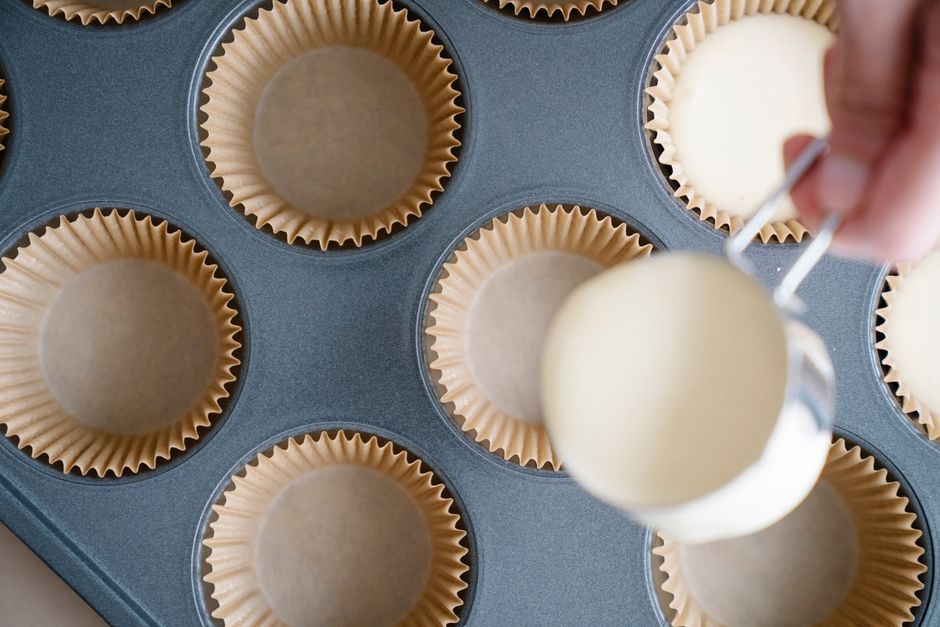
- Sinking centers: opening the oven early, overfilling the liners, or using expired bicarbonate of soda. Fill each liner two-thirds full and test the leavener.
- Runny frosting: using tub cream cheese, warm butter, or overbeating after adding the sugar. Use block cream cheese and chill the finished frosting.
- Streaky batter: adding colour after the flour has already been mixed in. Combine the food colouring with the wet ingredients first.
The easiest quality check
Cut one cooled cupcake before frosting the full batch. The crumb should look evenly red with small, even bubbles and no wet line at the bottom. Taste it plain. If the cocoa tastes harsh, the batter needed more vanilla or a little more sugar; if it tastes flat, the acid and salt may be too low. This single test can save a full tray from a disappointing finish.
Valentine’s Day red velvet cupcake questions answered

The short verdict: bake the cakes ahead, use a measured amount of natural cocoa, and frost with cold block cream cheese. That combination gives the strongest balance of flavour, colour, and presentation.
Can I use beet powder instead of red food colouring?
Yes, but expect a softer rose colour rather than the deep bakery red many people associate with red velvet. Start with 1 tablespoon of beet powder for 12 cupcakes and reduce the flour by 1 tablespoon if the batter becomes thick. Beet powder works best when the visual goal is natural colour, not a dramatic scarlet finish.
Can I replace buttermilk?
Use 120 ml of whole milk mixed with 1 1/2 teaspoons of lemon juice or white vinegar. Let it stand for 5 minutes before mixing. The result will not taste exactly like cultured buttermilk, but the acidity will support the cocoa and help the batter rise. Do not replace it with plain water.
How should I store finished cupcakes?
Refrigerate cupcakes with cream cheese frosting in a covered container for up to three days. Let them stand at room temperature for 20 to 30 minutes before serving so the cake softens and the frosting loses its firm refrigerator texture.
The single most important takeaway is to protect the tender red velvet crumb and cold cream cheese frosting with accurate measurements and a two-day baking schedule.