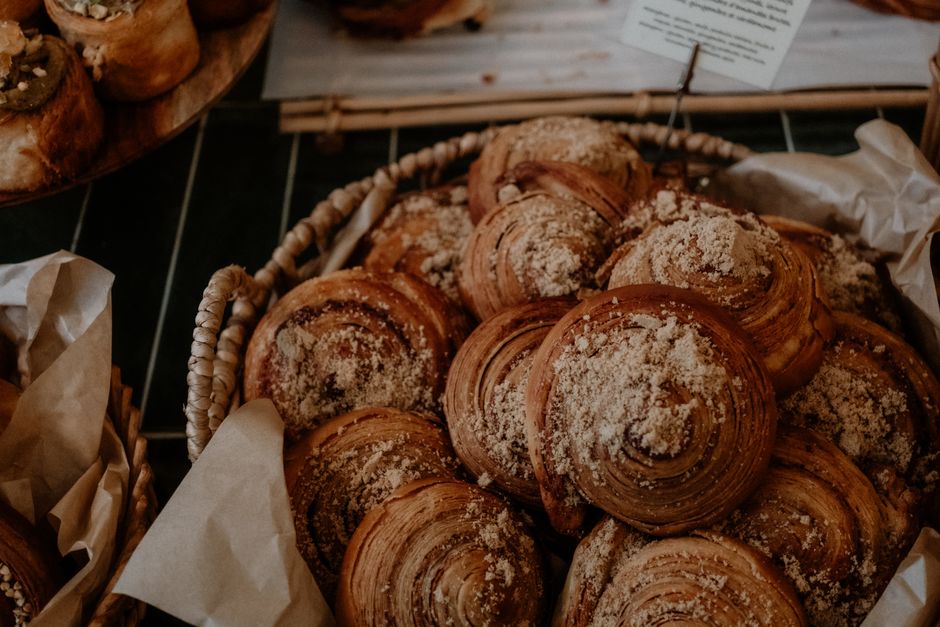
Easter baking does not need a full weekend, specialist equipment or three failed batches before the good one appears. The common mistake is treating hot cross buns, simnel cake and mini egg cookies as the same kind of bake. They need different timing, mixing and storage. Plan them as a small production line and you can serve all three without wasting butter, flour or expensive dried fruit.
Why do hot cross buns turn out dense and dry?
The main myth is that hot cross buns need a stiff dough. They do not. A firm, dry dough produces tight buns with a dull crumb. The dough should feel soft and slightly tacky after kneading, because the flour continues to absorb liquid during the first rise.
Use the right liquid temperature
Warm the milk to about 35–38°C before adding the yeast. Liquid above 45°C can weaken or kill active yeast; cold milk simply slows the rise. If you have no thermometer, the milk should feel warm rather than hot on the inside of your wrist. Add the melted butter after cooling it for a few minutes so it does not heat the mixture.
For a batch of 12 buns, use about 500g strong white bread flour, 300ml milk, 7g instant yeast, 50g sugar, 50g butter, one egg, 10g salt and 150g mixed dried fruit. Add orange zest, cinnamon and mixed spice after the flour has formed a rough dough. Knead for 8–10 minutes by hand or 5–6 minutes in a mixer.
Build flavour without overworking the fruit
Soak raisins and currants in hot tea for 15 minutes, then drain them well. This gives the fruit moisture without making the dough wet. Mix the fruit in during the final minute of kneading. Adding it at the start can tear the gluten network and leave patches of dense dough around the fruit.
Let the dough rise until it has almost doubled, usually 60–90 minutes at 22°C. Divide it into 12 pieces of roughly 85g each. Shape each piece into a tight ball, leave a finger-width gap between buns, and prove again for 35–50 minutes. Bake at 200°C conventional or 180°C fan for about 18–22 minutes. Brush with warm apricot jam after baking for a thin, shiny finish. The clear verdict: soft dough, two rises and restrained oven time produce better buns than extra flour ever will.
How should you schedule three Easter bakes?
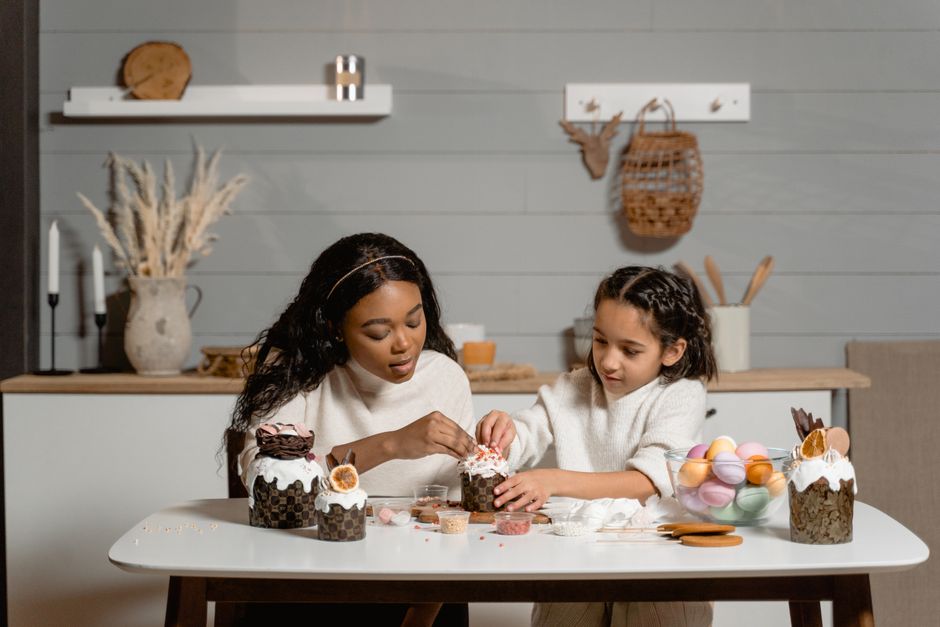
The best plan is to bake the cake first, prepare the cookie dough next and make the buns closest to serving time. Simnel cake improves after a day or two, while hot cross buns are at their best warm. This order protects both texture and your kitchen time.
- Day one morning: Bake the simnel cake. Cool it completely in the tin, then wrap it in baking paper and foil. Keep it in a cool cupboard, not the refrigerator.
- Day one afternoon: Make mini egg cookie dough. Chill it for at least 60 minutes, scoop it into balls and freeze any spare portions on a tray before transferring them to a sealed container.
- Day two morning: Assemble the simnel cake topping. Add the marzipan layer and eleven marzipan balls only after the cake has cooled. The balls represent the apostles, traditionally leaving out Judas.
- Two hours before serving: Mix and shape the hot cross buns. Their two proving stages take around two hours in a warm kitchen. Keep the tray covered so the surface does not form a skin.
- Thirty minutes before serving: Bake the buns, glaze them and rest them for 10 minutes. Bake chilled cookie dough only when the oven is fully hot. This keeps the edges crisp and the centres soft.
This schedule also reduces oven clashes. The cake usually needs 140–160°C, cookies need around 170°C fan and buns need a hotter oven. Trying to bake all three at one temperature leads to dry cookies, pale buns or a sunken cake. The practical verdict is simple: use the cake as the make-ahead item, cookies as the freezer-friendly item and buns as the same-day bake.
Which mixer and baking tools are worth buying?
My pick for most Easter bakers is the Kenwood Chef XL KVL4100S, typically around £349 in the UK. Its 6.7-litre bowl gives enriched bun dough room to expand, and the 1,200W motor handles a double batch more comfortably than a small hand mixer. You do not need it for one dozen buns, but it becomes the best choice when you bake for a family gathering or make bread more than once a month.
Choose the mixer for the dough you actually make
The KitchenAid Artisan 5KSM125, often priced near £499, is a good premium option for regular home baking. Its 4.8-litre bowl suits one batch of buns, cookie dough and a standard simnel cake. It costs more than the Kenwood, so it is not the sensible buy for a single Easter weekend. Pick it for long-term countertop use, strong build quality and a smaller footprint.
For occasional baking, a hand mixer costing £25–£45 is enough for simnel cake batter and cookies, but it cannot knead enriched dough properly. You would need to knead hot cross buns by hand for about 10 minutes. That is slower, but it costs nothing and often gives you better control over dough texture.
Add precision tools before decorative extras
A ThermoPro TP19H instant-read thermometer costs about £24.99 and earns its place quickly. Use it for milk temperature, baked cake temperature and sugar syrup or jam glaze. A Tala three-tier cooling rack, usually around £14.99, saves counter space when cookies and cake need to cool at the same time. These tools improve results more than decorative cutters, novelty tins or extra piping nozzles.
Do not buy a stand mixer because a recipe says “mix until smooth.” Buy one when batch size, bread dough or repeated baking justifies the price. The clear recommendation is Kenwood Chef XL for frequent Easter hosting, a hand mixer for one small batch and the thermometer as the most useful low-cost upgrade.
What goes wrong with simnel cake and mini egg cookies?
Most Easter baking failures start before the oven. Simnel cake needs gentle mixing and steady heat; mini egg cookies need chilled dough and enough space on the tray. Correcting those two points prevents the most expensive waste.
Prevent a dry or sunken simnel cake
Soak the dried fruit in tea, apple juice or brandy for 20–30 minutes, then drain it. Use marzipan with at least 50% almonds if you want a firm topping that browns rather than melts. Line a deep 20cm cake tin with two layers of baking paper, including a collar above the rim. Bake at 150°C conventional or 130°C fan for about 2½–3 hours.
Do not open the oven during the first two hours. A sudden temperature drop can sink the centre. Test the cake with a skewer and check for a reading around 96–99°C in the middle. If the top darkens too early, cover it loosely with foil. A cake that looks done on top may still have a wet centre, so colour alone is not a reliable test.
Stop mini egg cookies from spreading
Use room-temperature butter, but never melted butter. Cream 115g butter with 100g brown sugar and 75g caster sugar, then add one egg and vanilla. Fold in 250g plain flour, ½ teaspoon bicarbonate of soda and 150g crushed chocolate mini eggs. Chill the dough for at least 60 minutes. Scoop 12 balls of about 55g and leave 7cm between them.
Crush the chocolate eggs inside a sealed bag with a rolling pin rather than pulverising them in a food processor. Large pieces give better texture. If the cookies spread into one sheet, the butter was too warm, the tray was hot or the flour was under-measured. For this bake, the best low-cost tool is the Joseph Joseph Adjustable Rolling Pin at roughly £17.99 because its removable rings help you roll evenly when making pastry decorations or biscuit toppings. Buy it for repeated baking, not for one cookie batch.
Which Easter bake should you make first?
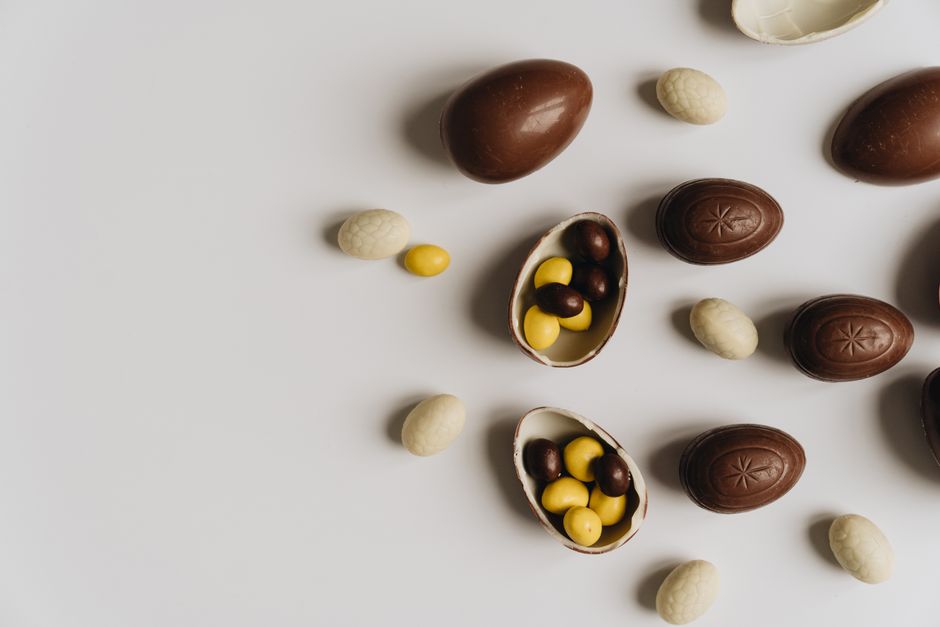
The right choice depends on the job you need the bake to do. Make simnel cake when you want a centrepiece that can be prepared early. Choose hot cross buns when warmth and yeast flavour matter most. Choose mini egg cookies for a fast batch, children’s parties or a freezer-ready dessert.
These are the strongest picks for a 2026 Easter table:
| Bake | Best use | Time needed | Main risk | My verdict |
|---|---|---|---|---|
| Hot cross buns | Warm breakfast or afternoon tea | 3–4 hours including rises | Dense dough from excess flour | Best same-day bake |
| Simnel cake | Make-ahead centrepiece | 3–4 hours plus cooling | Dry fruit or underbaked centre | Best for hosting |
| Mini egg cookies | Quick sharing dessert | 90 minutes including chilling | Butter that is too warm | Best for beginners |
| Three-bake plan | Full Easter spread | Two days | Trying to use one oven temperature | Best overall result |
If you can make only one, choose mini egg cookies for speed, hot cross buns for freshness or simnel cake for a prepared celebration. For a complete spread, bake the cake ahead, freeze part of the cookie dough and leave the buns until the day of serving. That order gives each bake the texture it needs and keeps your ingredient budget under control.