One medium lemon usually gives about 3 tablespoons of juice but only around 1 tablespoon of zest, and that zest carries most of the bright lemon aroma. I learned that after years of making cupcakes that tasted sweet and vaguely citrusy instead of properly lemony. For a spring afternoon tea, I want a soft crumb, a clean lemon finish, and enough poppy seed crunch to make each bite interesting without turning the cake gritty. This formula gives me all three.
The recipe makes 12 standard cupcakes. I use a thin lemon glaze rather than a tall swirl of buttercream because it keeps the cakes light beside tea, fruit, sandwiches, and small pastries.
The best cupcake formula for a spring tea table
My clear winner is a sour-cream cupcake with lemon zest rubbed into the sugar, two tablespoons of poppy seeds, and a sharp lemon glaze. Sour cream adds moisture without making the cake taste oily, while the glaze brings the fresh acidity that baking can soften.
The base that holds its shape
This ratio gives a tender but stable crumb. It will hold a glaze without collapsing and will still feel fresh several hours after baking.
| Tea-table style | Yield | Bake time | Best use |
|---|---|---|---|
| Glazed standard cupcakes | 12 | 18–21 minutes at 175°C | Best overall choice for afternoon tea |
| Mini lemon cupcakes | 24 | 10–12 minutes at 175°C | Large gatherings and mixed dessert plates |
| Buttercream-topped cupcakes | 12 | 18–21 minutes at 175°C | Birthday-style presentation, not my first tea choice |
Pick the finish that lets the lemon speak
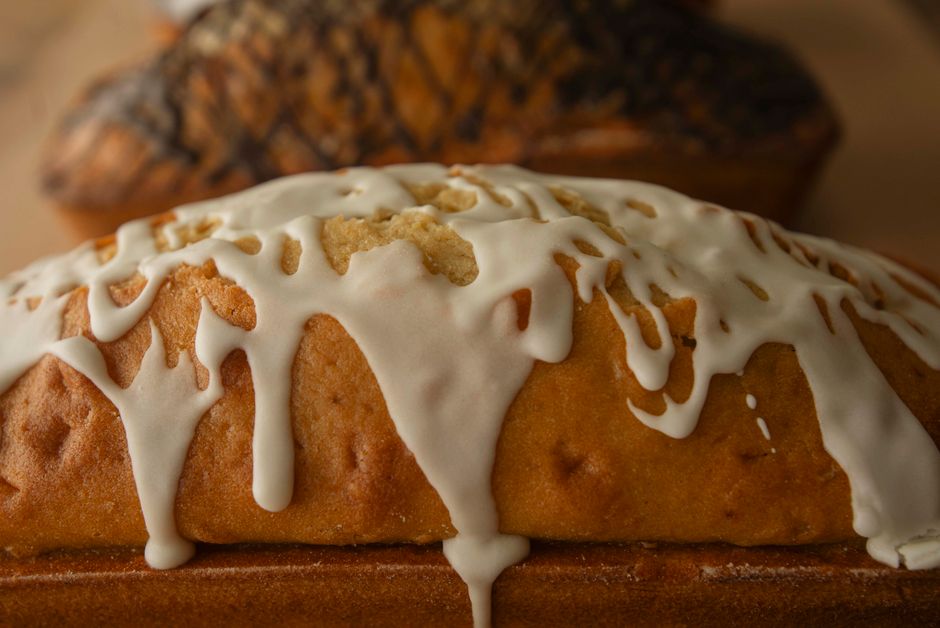
Mix 120g icing sugar with 1½ tablespoons lemon juice for a pourable glaze. Add the juice slowly; a glaze that runs straight off the cake is too thin. I prefer a few drips down the sides, not a thick white cap. The thin finish looks cleaner, adds a useful hit of acidity, and leaves room for the poppy seeds to show.
The lemon and poppy seed balance is won before baking
Zest before juice is my firm rule. The sugar pulls fragrant oil from the peel, and that oil gives the finished cupcake a stronger lemon taste than extra juice alone. More juice can also loosen the batter and make the crumb rubbery.
Rub the zest into the sugar
Put the sugar and finely grated zest in a bowl, then rub them together with your fingertips for 30 seconds. The sugar should look slightly damp and smell strongly of lemon. Use only the yellow outer peel; the white pith tastes bitter.
Wake up the poppy seeds without overdoing them
Two tablespoons of poppy seeds are enough for 12 cupcakes. Toast them in a dry pan for 2 minutes over low heat if you want a nuttier flavour, then cool them before adding them to the batter. Do not replace the lemon zest with extra poppy seeds. The seeds add texture, but they cannot supply the fresh aroma that makes this cake taste like spring.
For the cleanest balance, use lemon juice in the batter and glaze, but keep the zest in the cake. That gives brightness without an overly sour finish.
How to keep the crumb moist without making it heavy
The first principle is simple: a cupcake stays tender when the flour develops less gluten and the batter keeps enough fat and moisture around the starch. Overmixing defeats both goals.
Weigh the flour and stop mixing early
Weigh the flour at 170g if you can. Mix the flour into the wet ingredients only until no pale streaks remain. A few tiny lumps are harmless; a smooth, heavily beaten batter is not a badge of success.
Control the temperature of the ingredients
Room-temperature butter, eggs, and sour cream blend into a stable batter. Cold sour cream can make the butter seize into small lumps, while melted butter produces a flatter, denser cake in this formula. Leave the ingredients on the counter for 45–60 minutes before mixing. If you forgot, place the eggs in warm water for 5 minutes and soften the butter until a finger leaves a clear mark without sinking through it.
Know the two biggest failure signs
Flat cupcakes usually come from old baking powder, an oven that runs cool, or batter that sat too long before baking. Dry cupcakes usually come from excess flour or five extra minutes in the oven. Start checking at 18 minutes. The tops should spring back lightly, and a skewer should show a few moist crumbs rather than wet batter. The cakes will continue cooking as they cool.
Five baking steps that prevent flat, dry cupcakes
My reliable process is short, but each step matters. I use a standard metal pan because it browns the edges more evenly than a floppy silicone mold.
Set up the pan and oven
- Whisk the flour, baking powder, salt, and poppy seeds in a separate bowl.
- Rub the lemon zest into the sugar, then beat in the softened butter for 2–3 minutes until pale. Beat in the eggs one at a time.
- Fold in the dry ingredients in two additions, alternating with the sour cream. Add the lemon juice at the end and stop mixing as soon as the batter comes together.
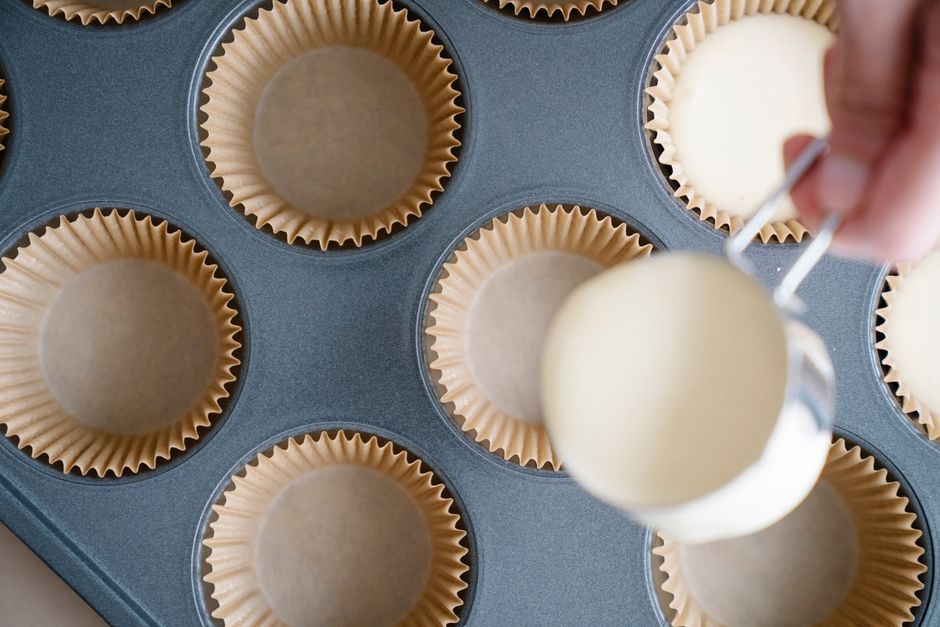
- Fill liners two-thirds full and bake for 18–21 minutes. Cool in the pan for 5 minutes, move the cakes to a rack, and cool before glazing.
The tools I would actually buy
I would choose Nordic Ware for the most even tea-cake finish.
Use lemon extract only as a backup
If the lemons are weak or out of season, add only ¼ teaspoon to the batter. More makes the cupcakes taste artificial. Fresh zest remains the better choice, and no branded extract can fix a cupcake that contains too much flour or has been overbaked.
Lemon poppy seed cupcake questions I get most often
Can I bake these the day before afternoon tea?
Yes. Bake the cupcakes one day ahead, cool them fully, and store them in an airtight container at room temperature. Make the glaze on the day of serving and apply it at least 30 minutes before guests arrive so it can set. Refrigeration makes the crumb firmer and dulls the lemon aroma, so I avoid it unless the room is very warm.
Can I replace the sour cream?
Full-fat Greek yogurt works in the same 120g amount and gives a slightly tangier cake. Plain yogurt with a thin texture can make the batter too loose, so drain it for 20 minutes first. Milk is not a direct substitute here; it removes too much richness and produces a less tender crumb. For a dairy-free version, use a thick unsweetened dairy-free yogurt and plant-based baking butter, then expect a slightly paler cake.
When should I skip this recipe?
Skip it if you need a cupcake that will sit outdoors in hot weather for several hours. The glaze softens in heat, and a sturdy buttercream or loaf cake will travel better. Skip the poppy seeds too if guests dislike small seeds or need a seed-free dessert. For a spring tea served indoors, though, this lemon glaze version is the best fit because it stays light, slices neatly, and tastes fresh without a heavy topping.
The single most important rule is to rub the lemon zest into the sugar before mixing, because that small step gives these cupcakes their fresh lemon flavour.