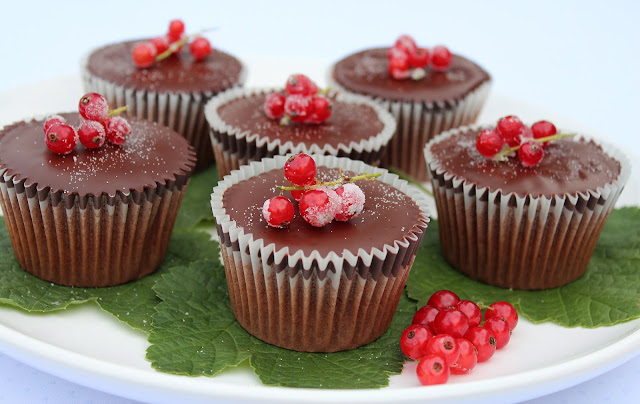
Another year, another ambitious holiday baking project. Maybe you tried those viral gingerbread cookies last year, and they turned out like hockey pucks. Or perhaps your Christmas cupcakes looked great but tasted like cardboard. I get it. Holiday baking is high-stakes. You want those Chocolate Redcurrant Christmas Cupcakes to be perfect, not just edible. Let’s get this straight: there’s a right way and a wrong way. We’re doing the right way.
Getting the Chocolate Right: Not All Cocoa is Equal
This is where most people mess up. They grab whatever cocoa is on sale, or they think ‘chocolate is chocolate.’ No. That’s amateur hour. The quality of your chocolate makes or breaks these cupcakes. You’re aiming for rich, deep chocolate flavor, not something bland that gets overshadowed by the redcurrant. Skimp here, and you’ve wasted your time.
Best Cocoa Powder for Flavor
Forget the supermarket budget brands. For proper chocolate flavor, you need a high-quality Dutch-processed cocoa powder. This means it’s been treated with an alkali to neutralize its acidity, resulting in a darker color and a smoother, less bitter taste. It reacts differently with leavening agents (baking powder vs. baking soda), so follow your recipe precisely. My pick? Valrhona Extra Brute. It’s expensive, yes, but it delivers an intense chocolate punch that no other cocoa can match. Trust me, it’s worth the splurge for Christmas. If Valrhona is too much, Ghirardelli Premium Baking Cocoa is a decent step up from basic brands, and widely available. Don’t bother with anything less.
Choosing Your Dark Chocolate
Beyond cocoa, you’ll likely use solid dark chocolate. Again, quality matters. For melting into the batter or making ganache, aim for a chocolate with 60-70% cacao content. Anything lower is too sweet; anything higher can be too bitter and might seize up if not handled correctly. Chips are fine for convenience, but bars offer superior flavor. Brands like Ghirardelli baking bars or Callebaut callets are reliable. For a splurge, Valrhona Guanaja (70%) is unbeatable. Avoid Hershey’s Baking Chocolate for these cupcakes; the flavor profile isn’t complex enough. You want depth, not just sweetness.
Redcurrants: Fresh, Frozen, or Jam? A Straight Answer
This isn’t a ‘whatever you have’ situation. Each form of redcurrant behaves differently in the batter and affects the final texture and taste. Pick the wrong one, and your cupcakes turn out soggy, bland, or just plain weird. Here’s the breakdown:
| Redcurrant Form | Pros | Cons | Verdict |
|---|---|---|---|
| Fresh Redcurrants | Vibrant color, tangy burst, firm texture. | Seasonal, can be expensive, seeds are noticeable. | Best choice for garnish, good for adding directly to batter if small and tartness is desired. |
| Frozen Redcurrants | Available year-round, more affordable. | Can bleed color, might make batter watery if not handled correctly, softer texture. | Best for baking into cupcakes. Do NOT thaw completely before folding into batter. Toss lightly in flour first. |
| Redcurrant Jam/Jelly | Smooth texture, consistent sweetness, no seeds. | Lacks fresh tartness, can be overly sweet, texture might be too soft. | Best for filling or swirling into frosting. Not recommended for mixing directly into cake batter. |
Fresh vs. Frozen Performance
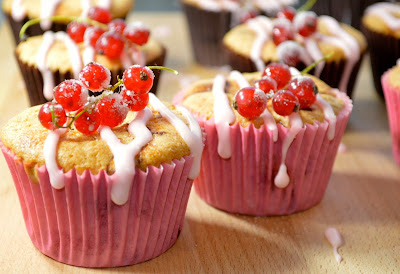
If you’re lucky enough to find fresh redcurrants, use them for presentation. A few sprigs on top of frosted cupcakes look stunning. For actually baking into the cupcake batter, frozen redcurrants are your best bet. The trick? Don’t thaw them. Rinse them briefly, pat dry, and then toss them with a tablespoon of flour before folding gently into the finished batter. This prevents them from sinking to the bottom and helps absorb excess moisture, avoiding a soggy bottom. Seriously, do not skip the flour toss. You’ll regret it.
Using Redcurrant Jam Instead
Redcurrant jam or jelly has a place, but it’s not directly in the cupcake batter. The texture is too soft, and the sugar content can throw off the balance. Use jam for a different application: warm it slightly and pipe a small dollop into the center of a cooled cupcake (using a small corer), or swirl it into your cream cheese frosting for a marbled effect. For this specific recipe, where the goal is distinct redcurrant bursts, direct jam incorporation into the cake itself is a hard pass. Stick to the fresh or frozen berries for the cake.
Common Cupcake Mistakes: Stop Doing This
You want perfect cupcakes? Then avoid these basic errors. These aren’t suggestions; these are rules. Break them, and you get mediocre results. Simple as that.
- Overmixing the Batter: This is the number one killer of tender cupcakes. Once you add the dry ingredients to the wet, mix ONLY until just combined. Lumps are fine. Overmixing develops gluten, leading to tough, chewy cupcakes. Nobody wants that. Stop stirring the second you see no streaks of flour.
- Incorrect Oven Temperature: Your oven thermometer is lying. Most home ovens are wildly inaccurate. Get an oven thermometer (ThermoPro, CDN, Taylor are good brands, usually under $15) and calibrate your oven if it’s off by more than 20 degrees. Too hot, and you get domed, cracked tops. Too cool, and they won’t rise properly.
- Overfilling the Liners: Fill cupcake liners no more than two-thirds full. Max. Filling them too high results in overflowing, mushroom-top cupcakes that look messy and cook unevenly. A standard ice cream scoop is your friend here – one scoop per liner.
- Not Cooling Completely: Don’t try to frost warm cupcakes. The frosting will melt, slide off, and you’ll have a sticky mess. Let them cool entirely on a wire rack. Patience.
Avoiding Dry Cupcakes
Dry cupcakes are a sign of either overbaking or overmixing. To prevent this, bake only until a toothpick inserted into the center comes out with moist crumbs, not wet batter, and certainly not completely clean. Start checking 2-3 minutes before the recipe suggests. Another tip: add a tablespoon of sour cream or plain yogurt to your batter. The extra fat and acidity keep them incredibly moist without altering the flavor profile significantly. It’s a trick that actually works.
The Liner Dilemma
Paper liners stick. It’s a fact of life with some recipes, especially if the cupcakes are very moist or have added fruit. For Christmas cupcakes, you want them to come out clean. My solution? Silicone liners. Brands like OXO or Wilton make excellent reusable silicone liners that release perfectly every time. If you insist on paper, look for foil-lined or greaseproof paper liners from a specialty baking store. The cheap parchment liners from the grocery store will likely disappoint you. Don’t cheap out on liners if you want a clean peel.
The Frosting: Buttercream vs. Ganache — Here’s the Winner
For these Chocolate Redcurrant Christmas Cupcakes, a dark chocolate ganache is the superior choice. Period. American buttercream is fine, but it’s often too sweet and heavy, clashing with the delicate tartness of the redcurrants and the richness of the chocolate cake. Ganache offers a sophisticated, smooth texture and deep chocolate flavor that complements everything perfectly. It’s not debatable.
American Buttercream Basics
If you absolutely must use American buttercream, keep it simple. Powdered sugar, butter, a splash of milk or cream, and vanilla. Make sure your butter is at true room temperature – soft but not melted. Beat the butter alone for several minutes until pale and fluffy before gradually adding the powdered sugar. A good quality vanilla extract, like Nielsen-Massey, makes a difference. You’re trying to achieve a balance, not just a sugar bomb. Add a little cocoa powder for a chocolate buttercream, but a pure vanilla or cream cheese frosting will often compete too much with the intense cupcake flavor.
Dark Chocolate Ganache Ratio
A good ganache for piping on cupcakes uses a 1:1 ratio of chocolate to heavy cream by weight. For a firmer ganache that sets up well, especially for piping swirls, go slightly heavier on the chocolate, maybe 1.25:1. For example, 125g dark chocolate (60-70% cacao) to 100g heavy cream. Chop your chocolate finely. Heat the cream until just simmering, then pour it over the chocolate. Let it sit for 5 minutes without stirring, then whisk gently from the center outwards until smooth and emulsified. Let it cool to room temperature, stirring occasionally, until it reaches a spreadable or pipeable consistency. This takes time. Don’t rush it.
Essential Baking Tools: Stop Winging It
You wouldn’t build a house with a spoon, right? So stop trying to bake without the right equipment. These tools aren’t ‘nice-to-haves’; they’re ‘must-haves’ for consistent results. If you don’t have them, get them.
Why a Digital Scale?
Baking is chemistry. Measuring flour by volume (cups) is inherently inaccurate because flour compacts differently. A cup of flour can vary by as much as 30 grams from one baker to another. That’s a huge difference in a sensitive recipe like cupcakes. A digital kitchen scale measures by weight (grams), providing precise, repeatable results every single time. This eliminates a massive variable in your baking. Brands like OXO or Amazon Basics offer reliable, affordable scales for under $25. No excuses. Buy one.
Do I Need a Stand Mixer?
For cupcakes, yes, a stand mixer makes life infinitely easier and ensures consistency. Creaming butter and sugar effectively, incorporating eggs, and mixing batter without overworking it are all tasks a KitchenAid Artisan or Professional series mixer handles with ease. Hand mixers are okay, but they often can’t achieve the same aeration and uniform mixing, especially with denser batters. If you’re serious about baking, a stand mixer is an investment that pays off quickly in better results and less effort. You don’t need the absolute top-tier model, but get a decent one. It’s not just for convenience; it’s for quality.
Decorating for Christmas: Keep it Simple and Impactful
Forget overly complex designs. For Christmas, you want elegant, festive, and delicious. A perfect swirl of ganache, a few fresh redcurrants, and a dusting of edible glitter or powdered sugar. Done. It’s about taste and classic aesthetic, not Instagram-level fondant artistry. Don’t overdo it. The cupcake itself is the star.
Recipe Adjustments for Altitude: Don’t Blame the Recipe
Baking at high altitude (typically above 3,000 feet or 900 meters) is a completely different ballgame. The reduced atmospheric pressure causes leavening gases to expand more quickly and liquids to evaporate faster. If your cupcakes always sink or are dry, and you live above sea level, this is likely why. It’s not the recipe’s fault; it’s physics.
High-Altitude Baking Principles
At higher altitudes, you need to make specific adjustments to most recipes. The main issues are excessive leavening, rapid moisture loss, and weakened structure. This means your standard recipe will likely result in over-risen, crumbly, or sunken baked goods. Understanding these principles is key to troubleshooting any recipe, not just this one.
Ingredient Tweaks for Elevation
For every 1,000 feet above 3,000 feet, you typically need to make these changes:
- Decrease Leavening: Reduce baking powder/soda by 1/8 to 1/4 teaspoon per teaspoon called for.
- Increase Liquid: Add 1-2 tablespoons of extra liquid (milk, water, or even an extra egg white) to compensate for faster evaporation.
- Increase Flour: Add 1-2 tablespoons of extra flour to strengthen the structure, which helps prevent collapse.
- Decrease Sugar: Reduce sugar by 1-2 tablespoons. Sugar weakens gluten, and at high altitudes, you need stronger gluten.
- Increase Oven Temperature: Often, increasing the oven temperature by 15-25°F (8-14°C) can help set the structure faster, preventing collapse before the leavening over-expands.
Start with small adjustments. Test. Tweak again. This isn’t a one-size-fits-all solution, but these guidelines will get you much closer to perfect cupcakes, no matter where you live.