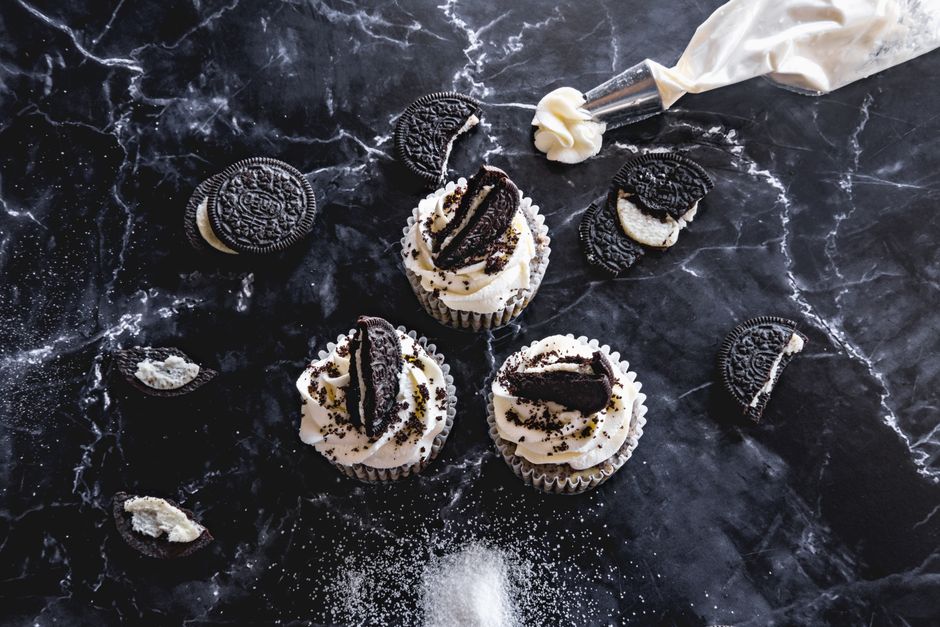
One teaspoon of instant espresso powder can make chocolate taste darker without making the cupcake taste like coffee. That is the trick behind this Father’s Day batch: use coffee to sharpen the chocolate, then let salted caramel add the sweet-salty finish. The result tastes grown-up without becoming bitter or fussy.
Use Coffee to Make the Chocolate Taste Better
Coffee belongs in the chocolate batter. It does not need to dominate the flavour. Good espresso powder adds roasted depth and makes cocoa taste fuller, much like adding salt to a savoury dish. Brewed coffee also supplies liquid, but it brings less concentrated flavour and can make the batter too loose if you add much more than the recipe needs.
How much coffee should go into the batter?
For 12 cupcakes, use 120 ml of hot coffee or hot water mixed with 1 teaspoon of instant espresso powder. The liquid should be hot enough to bloom the cocoa, but not boiling. Pour it into the dry ingredients after combining the flour, cocoa, sugar, baking powder and salt. Stir only until the dry streaks disappear.
Use it as a flavouring, not as a replacement for all the liquid. Guittard Extra Dark Chocolate Baking Wafers, which contain about 63% cacao, also give the frosting a stronger chocolate base than ordinary sweet baking chips.
When does coffee make chocolate taste bitter?
The problem is usually excess espresso, dark cocoa, or overbaking rather than coffee itself. If using natural cocoa, reduce the baking soda slightly because natural cocoa is more acidic. For a sweeter cupcake, use semisweet chocolate in the frosting and leave the coffee amount unchanged. The best version tastes like chocolate first, coffee second, and caramel last.
Build the Cupcake Batter in the Right Order
The mixing order controls texture more than fancy decoration does. Follow these steps for cupcakes that stay soft under buttercream.
- Whisk 150 g plain flour, 35 g unsweetened cocoa powder, 180 g caster sugar, ¾ teaspoon baking powder, ½ teaspoon baking soda and ½ teaspoon fine salt.
- In another bowl, whisk 2 large eggs, 120 ml buttermilk, 80 ml neutral oil and 1 teaspoon vanilla. Oil gives the crumb more moisture than creamed butter in this style of cake.
- Stir 120 ml hot coffee into the dry ingredients. Add the wet mixture and whisk for about 20 seconds. Stop when the batter looks smooth. Longer mixing develops gluten and makes the cakes chewy.
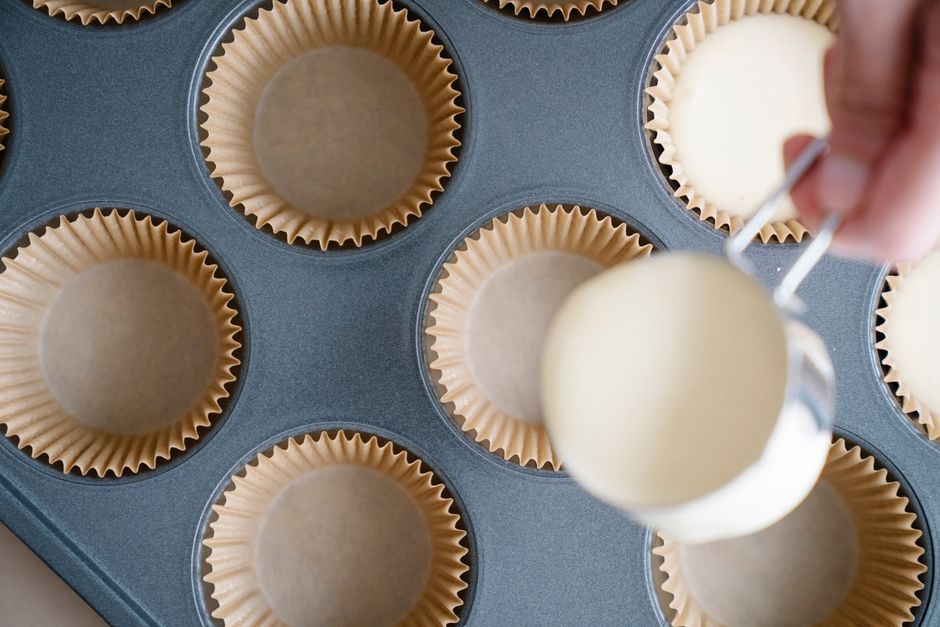
- Divide the batter evenly. Fill each case two-thirds full, about 55 to 60 g per cupcake. Uneven portions bake at different speeds.
- Bake for 17 to 20 minutes. A toothpick should come out with a few moist crumbs, not wet batter.
- Cool in the pan for 5 minutes, then move the cupcakes to a rack. Frost only after they reach room temperature.
Do not use a stand mixer for this batter. It adds speed but makes overmixing easier. A balloon whisk and a rubber spatula give you better control.
Coffee, Chocolate and Caramel Need Different Levels of Sweetness
The three flavours should not compete. Chocolate provides bitterness, coffee provides roast, and caramel provides sweetness. Salt keeps the caramel from tasting flat. If every layer is sweet, the cupcakes become heavy after two bites.
| Element | Amount for 12 cupcakes | Job in the flavour | Common mistake |
|---|---|---|---|
| Unsweetened cocoa | 35 g | Deep chocolate base | Adding extra and drying the crumb |
| Instant espresso powder | 1 teaspoon | Sharpens chocolate | Using 1 tablespoon and creating bitterness |
| Hot coffee | 120 ml | Blooms cocoa and loosens batter | Adding cold coffee |
| Salted caramel sauce | 120 g | Sweet, buttery contrast | Using warm sauce that melts frosting |
| Fine salt | ½ teaspoon in batter | Controls sweetness | Skipping it because caramel already contains salt |
How should the caramel be used?
Use a thick sauce as a filling or drizzle. A thin coffee-shop syrup runs off the frosting and makes the paper cases greasy. For homemade caramel, cook 150 g sugar until amber, whisk in 60 g warm cream, then add 30 g butter and ½ teaspoon flaky salt. Cool it until spoonable before filling the cakes.
What chocolate works best in the frosting?
Use chocolate between 55% and 65% cacao. Guittard Extra Dark Chocolate Baking Wafers at roughly 63% cacao give a clear chocolate flavour without turning the frosting harsh. Melt 120 g chocolate, cool it until barely warm, then beat it into 225 g softened unsalted butter, 180 g icing sugar and 30 ml cream. The frosting should hold a peak but still spread easily.
Make the Salted Caramel Centre Without a Runny Mess
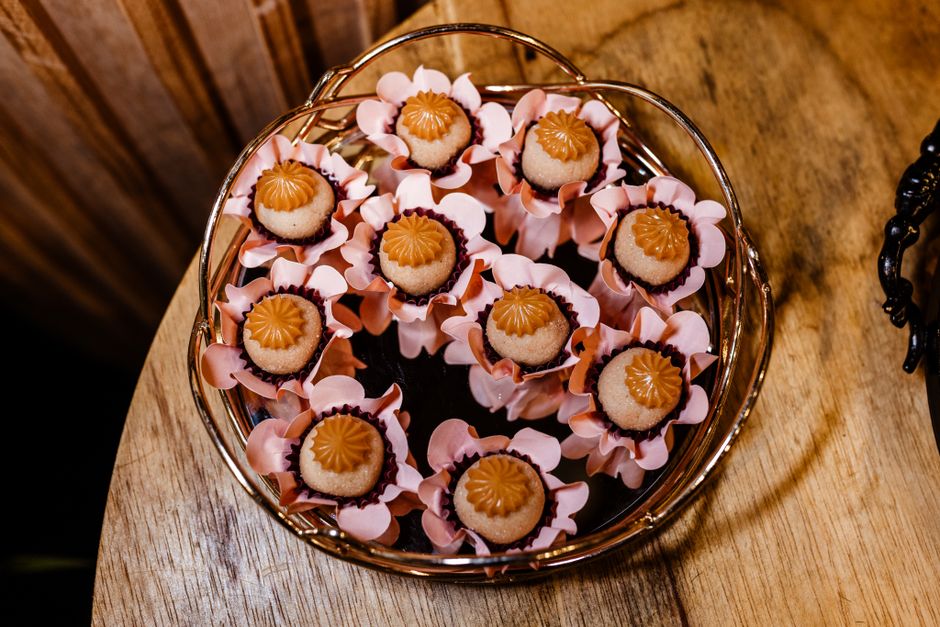
The centre is the part that makes these cupcakes feel special, but it is also where most batches fail. Caramel is heavy. If you pour it onto warm cake or pipe it into a weak frosting, it sinks through the crumb and leaks down the sides.
Cool both the cupcakes and the caramel first
Wait until the cupcakes feel completely cool underneath the paper case. Place the caramel in the refrigerator for 20 to 30 minutes if it still flows like cream. You want a thick ribbon that falls from a spoon and disappears slowly into the bowl. Warm caramel melts buttercream on contact, especially if the room is above 24°C.
Fill each cake with the right amount
Cut a small cone from the centre of each cupcake, leaving a base about 1 cm thick. Add 2 teaspoons of caramel, then replace the top of the cone. Do not hollow out the whole cake. A large cavity makes the top collapse and leaves too much sweetness in one bite.
For a cleaner finish, pipe a ring of chocolate frosting around the edge, spoon caramel into the middle, and cover it with another thin swirl. This method needs more frosting but prevents the sauce from escaping. If you want visible caramel, drizzle only after the frosting has chilled for 15 minutes.
How do you know the caramel is too thin?
Run a spoon through it. If the line closes immediately, the sauce needs more cooling or more cooking. Do not try to fix a runny sauce with extra salt. Salt changes flavour, not thickness. A small amount of corn syrup can reduce crystallization in homemade caramel, but it will not rescue caramel that has not reached a proper amber stage.
Why Do Chocolate Cupcakes Turn Dry?
Is cocoa powder the main cause?
Not by itself. Cocoa absorbs liquid, so dry cupcakes usually contain too much cocoa or too little fat. Keep the total dry cocoa at about 35 g for 150 g flour. Adding a second spoonful because the batter looks pale is a mistake; the colour deepens as the cakes bake.
Can overbaking happen before the timer ends?
Yes. Dark pans heat faster than light aluminum pans, and small ovens often run hot. Start checking at 17 minutes. Press the centre gently. It should spring back instead of leaving a deep dent. The internal temperature will usually be around 96°C to 99°C when the crumb is set, but a toothpick is more useful in a home kitchen.
What if the cupcakes taste flat?
Check the salt and espresso before adding more sugar. Chocolate needs salt to taste complete, and coffee needs enough concentration to show up. If the cakes are already baked, brush each with 1 teaspoon of cooled coffee syrup made from equal parts coffee and sugar. Keep the amount small. Too much syrup creates a wet centre under the caramel.
Never frost a warm cake to hide dryness. The buttercream will slide, the caramel will melt, and the crumb will still taste dry.
The Best Flavour Balance Is Chocolate First, Caramel Second
My clear choice is a chocolate cupcake with restrained coffee, a small caramel centre, and a lightly salted chocolate buttercream. That combination tastes like dessert, not a flavoured coffee drink.
Use a 2:1 ratio of chocolate frosting to caramel by volume. For each cupcake, aim for about 35 g frosting and 2 teaspoons caramel. Finish with three or four flakes of Maldon Sea Salt, not a heavy sprinkle. The large crystals give a quick salty hit without salting the entire cake.
Skip the caramel drizzle if the cupcakes will sit outdoors, travel in a warm car, or wait several hours before serving. The filling still gives the flavour, while the frosting stays neat. If the event needs a fruit note, add a thin layer of raspberry jam under the caramel, but do not add fresh berries to the batter. Their water makes the crumb patchy and shortens storage time.
For children or guests who dislike coffee, keep the hot liquid but replace the espresso powder with hot water. The cocoa will still bloom, and the chocolate flavour will remain strong. For adults who want more roast, add coffee liqueur to the frosting only after it has cooled, using no more than 1 tablespoon for a full batch.
Decorate Father’s Day Cupcakes So They Survive Serving
Decoration should support the flavour and survive handling. Tall, soft swirls look good for five minutes and then slump if the kitchen is warm.
- Pipe a low rosette or tight spiral with a closed-star nozzle. Keep the frosting height below 4 cm.
- Chill the frosted cupcakes for 20 minutes before adding caramel. Cold buttercream gives the drizzle a stable surface.
- Use a teaspoon to make three narrow caramel lines across each cupcake. A thick puddle will slide down the wrapper.
- Add a pinch of flaky salt and one small chocolate curl. Skip fondant decorations that add sweetness without flavour.
- Store the cupcakes in a single layer in a sealed box. Refrigerate them if the room is warmer than 22°C.
Take refrigerated cupcakes out 30 to 45 minutes before serving. The cake needs time to soften, but the frosting should still hold its shape. Do not leave them uncovered in the refrigerator; chocolate absorbs odors from onions, cheese and leftovers.
These cupcakes are best on the day they are assembled. The unfrosted cakes can stay sealed at room temperature for 24 hours. Filled and frosted cupcakes keep for two days in the refrigerator, although the caramel centre becomes firmer. The final test is simple: the first taste should bring chocolate, the second should reveal coffee, and the last note should be salty caramel.